



«Noces»: not giving up on the beauty of the world
OLYMPUS DIGITAL CAMERA
Four places, four explorations, four texts that celebrate Albert Camus' marriage to the environments he loved. Written between 1936 and 1937, these four lyrical essays announce that a young man of just over twenty had already found the sources of a simple, but true happiness. And exhilarating. Between sensual descriptions, meditations and memories of a youth in the making, the essential elements of Camus's work are already emerging. They will accompany him right up to First man, unfinished. Wedding is in this sense a celebration of the author, a celebration of reading, a celebration of the beauty of his world.
Weddings in Tipasa
«Here I understand what is called glory: the right to love without measure. There is only one love in this world. To embrace a woman's body is also to hold against yourself that strange joy that descends from the sky to the sea.»
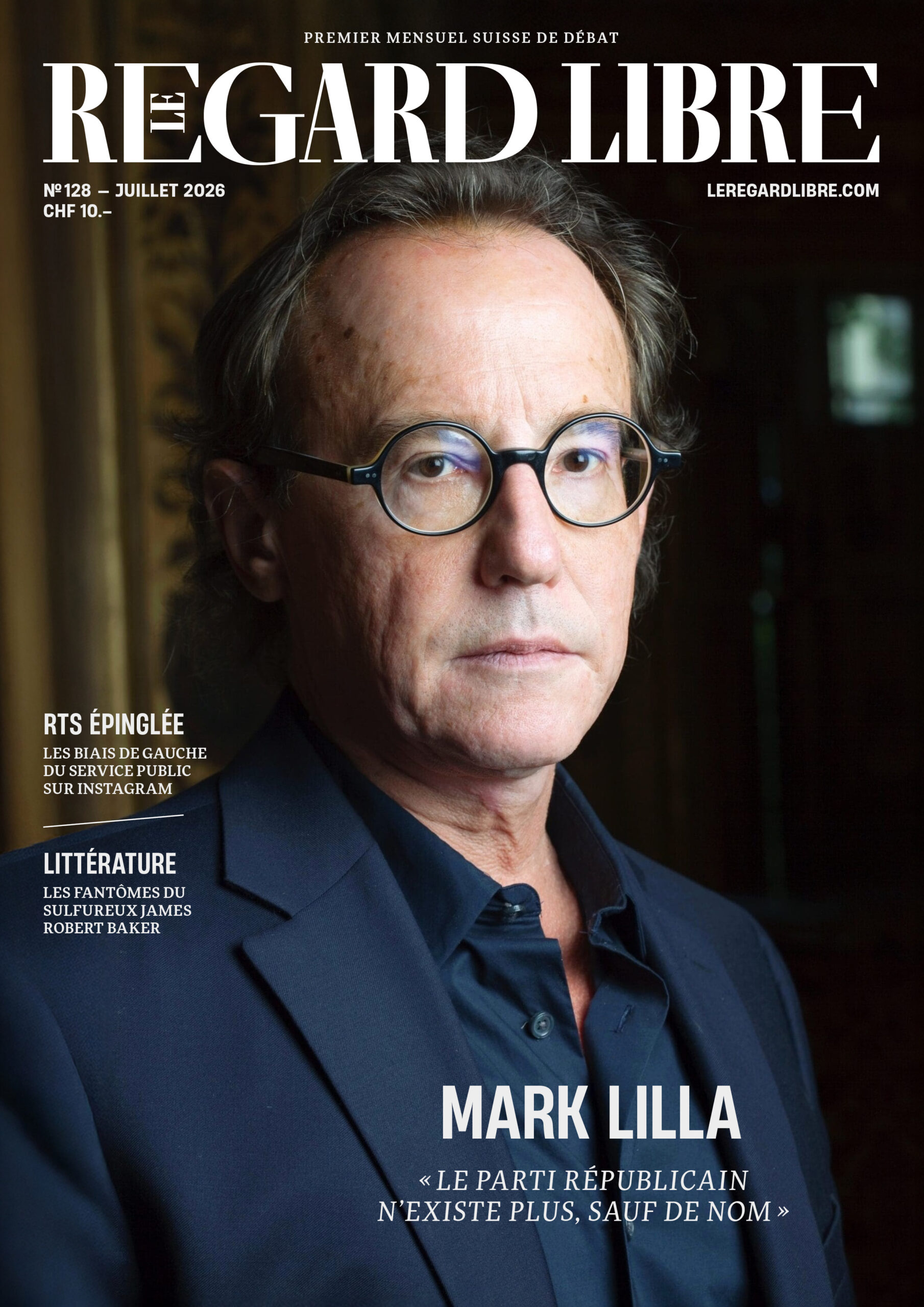
Tipasa lies to the west of Algiers. A Roman archaeological site, the city offers both the testimony of past grandeur and present beauty in its ruins and landscape. Camus spent a day with a young woman in a place steeped in ancient history. His description is so powerful that it can be told under the influence of the author's meditations and the senses that inhabit him.
Faced with a myth, Camus feels the presence of the gods, who express themselves through the senses, for «the gods speak in the sun and the smell of absinthes.» In the midst of the ruins, he is actually surrounded by an overflow of life. Tipasa cradles him in plenitude, offering the leisure of dreamy ramblings as well as that of the most concrete elements, such as smelling the perfume of trees, the sand underfoot, the waves of a calm, slightly frothy sea and the company of a woman, the supreme culmination of this place, which invites the expression of a love without measure.
The wind in Djémila
«And never before have I felt both my detachment from myself and my presence in the world. Yes, I am present. And what strikes me at this moment is that I can go no further.»
Djémila, another site of Roman remains. But east of Algiers this time, on a hill, closer to the desert than the sea. Camus' visit lasts a day, as in Tipasa. Whereas Tipasa offered the author a real sense of plenitude, Djémila confronted him with a violent stripping away. In Tipasa, the sun caresses the skin; in Djémila, it burns it. In Tipasa, the wind whispers words of love; in Djémila, it cries out for death. In Tipasa, the ruins bear witness to past grandeur; in Djémila, they mock a civilization that has collapsed.
Djémila expresses the tragic condition of the world. Man is lost to the violence of the wind, which pushes him towards death. Only in this condition can man take the time to detach himself from himself, totally stripped, to become aware of his fragility and vulnerability. Down with illusion. Only when we are aware of our finitude can we live fully.
Summer in Algiers
«To feel one's ties to a land, one's love for a few men, that there is always a place where the heart will find its accord, here is already a lot of certainty for just one man's life.»
Among the four texts, Summer in Algiers is the most autobiographical. The most intimate to Camus. His senses and thoughts are certainly expressed in the first two texts, but here the author tells the story of a city, a people, his people; he tells the story of himself living in this city. Through this portrait of Algiers, we discover a world where nostalgia and forecasts do not exist. The people of Algiers live from day to day, from work to the cinema to the sea. Life in Algiers is light. With or without a penny to their name, everyone finds his or her own kingdom, as one poor young man wrote. Happiness is simple. The present is so proud that it's the only moment worth living for. Camus grew up in a city where, despite all the turmoil, his heart was always in tune.
The desert
«But what is happiness if not the simple agreement between a being and the existence he leads?»
From Algeria, we move on to Italy, and Tuscany in particular. Camus went on a trip to Florence. Nevertheless, he paints a general portrait of Italy. Italy in its italianità and at its most universal. Despite his descriptions of paintings and landscapes, The desert remains the most abstract text in the collection. One even gets the impression that Camus is wandering in this desert that isn't a desert at all.
Surrounded by an abundance of art and vegetation, the author discovers an inner desert in the Italy he falls in love with. A great gulf, an absurd but very real gulf, between the beauty of the world and death. As in The wind in Djémila, disillusionment is central. With death and the end in sight, man finds his happiness in being in tune with the existence he leads. An existence which, for Camus, does not renounce the beauty of any work of art, of any work of nature, of any work of pleasure, even though these pleasures are ephemeral and all pass away. We must accept this conditioning, without resigning ourselves to it. So that the nuptials are constantly renewed, so that love is always new, always fresh, always young.
Write to the author: loris.musumeci@leregardlibre.com
You have just read an article from our special series «Coronary retrospectives in literature».».
-
 Youth passFrom: CHF2.50 / month
 -
Digital subscriptionFrom: CHF5.00 / month with a 30-day free trial and a CHF2.50 sign-up fee
-
 Standard subscriptionFrom: CHF10.00 / month with a 30-day free trial and a CHF2.50 sign-up fee

Wedding followed by Summertime
Albert Camus
Editions Gallimard
2007
183 pages
You'll also like


 French
  German
  English
Leave a comment