




When Ramuz was a boy, getting drunk in Yvorne
Les bouquins du mardi - The retrospective - Jonas Follonier
N’with little interest in the’Ramuz's work, since’she m’always annoyed me when I’I rubbed it, I’chose to jeopardize my views by taking it upon myself to read one of his tiny texts, Harvest. Reissued this year by Editions de l'Aire, among others’other Ramuzian writings, this m’surprisingly intoxicating. As wine intoxicates’Ramuz as a child and as a memory of that time l’intoxicating’age of forty-nine.
At the time of writing Harvest, Charles Ferdinand Ramuz is almost fifty. No doubt he sees in the memory of the grape harvest an opportunity to grasp the reality of what was, for the space of a childhood, a happy time. So the Vaudois recounts what was not just an event, but a phenomenon. The grape harvest. The grape harvest, as experienced by a child, with his feet firmly on the ground, as it should be, but dreaming of the sky. This common wine-growing activity offered him the sky. Like a metaphor for escape.
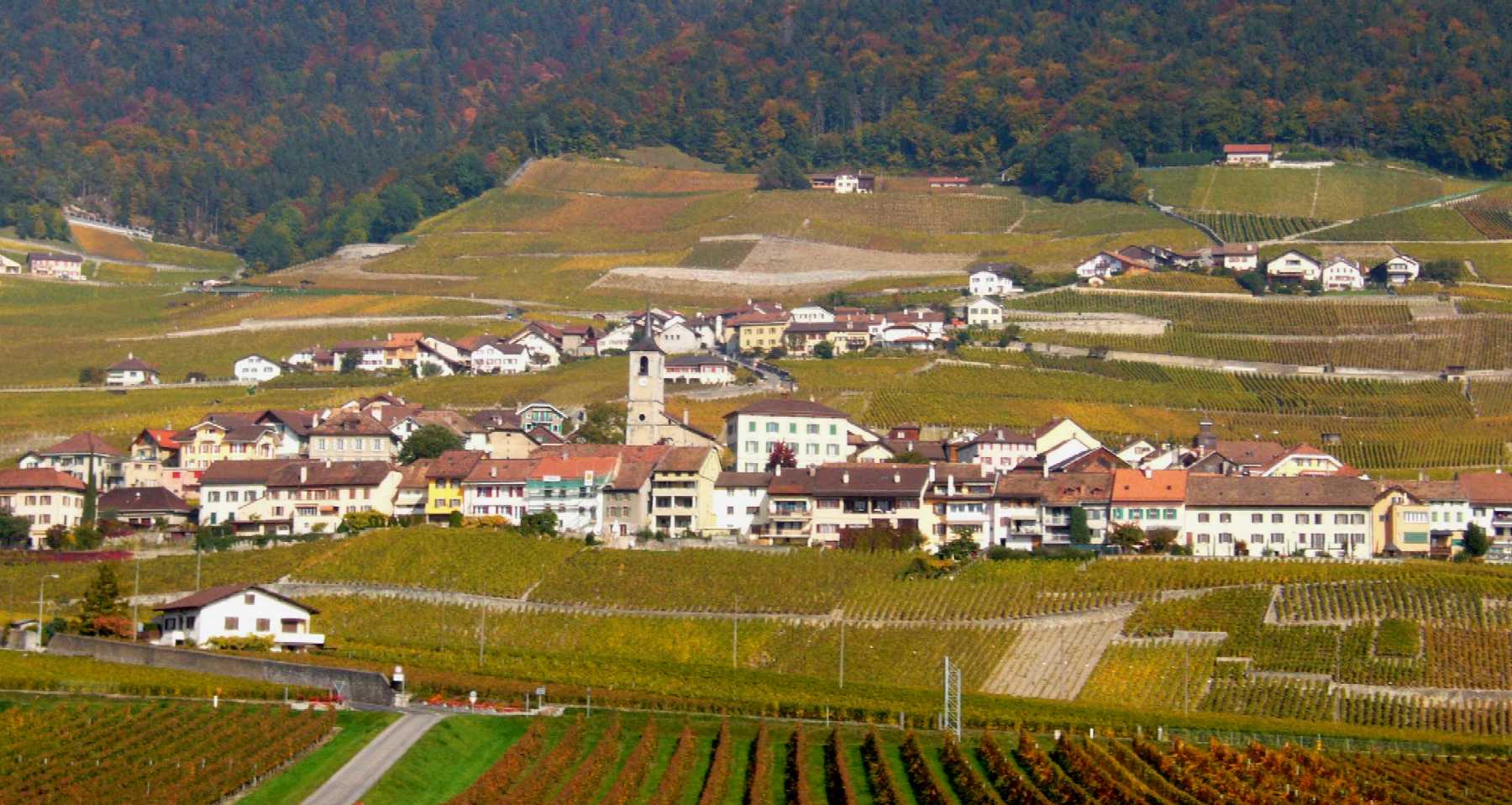
But let's stop with the vague invocations of literary commentary. Ramuz's microroman also appealed to me because of its very specific geographical setting: Yvorne. Yvorne la belle, the village I see on the train when I travel from the Valais to the canton of Vaud, and which I tell myself could well be, like Saint-Pierre-de-Clages, a place where I'd like to live. place to live. Yvorne la bonne, the white wine I drink from my glass without tiring of it. But it had, according to Ramuz (or rather, according to what he knows to be a nostalgic rambling), a very different color in the old days:
«L’Yvorne of old was like sunshine, it was buttercup-colored, dandelion-flower-colored; it wasn't wine made only from the pulp of the grape, but from the pod, that is, it was “complete” wine and therefore true wine.»
Harvest has a clear «c'était mieux avant» flavour. But this element, which in Ramuz often manifests itself as a flaw, takes on an interesting air here, because it's linked to the theme of childhood. C'était necessarily better, when we ate raves - the traditional harvest food - and everything made sense. It had to be better when nothing existed but the simple and the beautiful. The rough, but the good. «We lived like in the Bible», dares that damned Ramuz at the start of a chapter. It's without doubt the most touching sentence in this book. COMME: comparison, image. THE BIBLE: the transcendent, the sacred. So let's reverse: sacred is that which is an image.
This seemingly innocuous sentence - as it could so easily have been with Ramuz - sums up the whole book. It can be understood as a poetic ode to literature. What is symbol is sacred: this is what Ramuz is telling us at the very heart of his message. Long live metaphor! Long live the escape offered by the institution of the grape harvest for the child he was; long live the literary art that enabled him, forty years later, to celebrate it. Long live memory, in other words. Every event is a memory, and therefore an absolute. An illusion, in other words. An intoxication made of wine or words. When it's time to remember, everything is so orderly, everything is so right.
«Men, women, children, masters, servants and maids, grape-pickers, breakers, carters, pressers: no one who was not there, for this feast of the end, and all who had worked together rejoiced together, as is right.»
With this text, Ramuz shows that one of the most magical components of our lives is repetition. Repetition of the past, repetition of gestures, repetition of activities, repetition of orders and repetition of grievances, repetition of pleasures, repetition of pain, repetition of sweetness, repetition of phrases of nothing at all, of good and evil, so many repetitions that make the harvest a veritable ceremony. The dress rehearsal of a child about to experience the great performance that is existence. Rehearsal of the cycle.
«You have to go back to childhood and reincorporate it, if you want to have been fully; you have to have described the whole circle to be.
The man must have added to his last season this first one, come back to it for a final enrichment.»
Write to the author: jonas.follonier@leregardlibre.com
Photo credit: Wikimedia CC 3.0 / Peter Berger
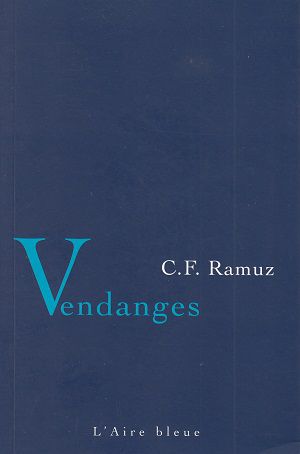
Charles-Ferdinand Ramuz
Harvest
Editions de l'Aire
2020 [1927]
59 pages

You'll also like




 French
  German
  English
Leave a comment