

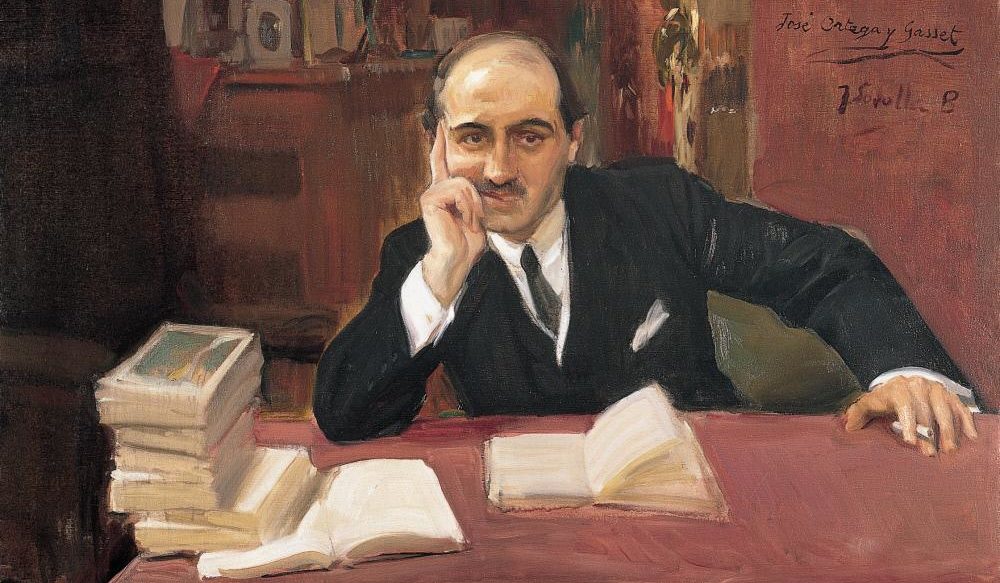
José Ortega y Gasset rarely figures among the most quoted and studied philosophers. Yet his political, social and moral diagnoses are still relevant today. Portrait of a major thinker of the 20th century.
At the crossroads of the 19th and 20th centuries, Spain was faltering. Stricken by an intellectual and industrial lag behind the rest of Europe, then humiliated by the loss of its last colonies in 1898, the nation was engulfed in an existential crisis. It was in this atmosphere of doubt and decline that José Ortega y Gasset grew up. Born into a bourgeois family in Madrid in 1883, the future thinker of Spanish reformism soon turned to philosophy. After a thesis and several stays in Germany, during which he was influenced by neo-Kantianism, he was awarded the chair of metaphysics at Madrid's Central University in 1910.
Very early on, the philosopher gave himself up
This content is reserved for our subscribers.

 French
  German
  English