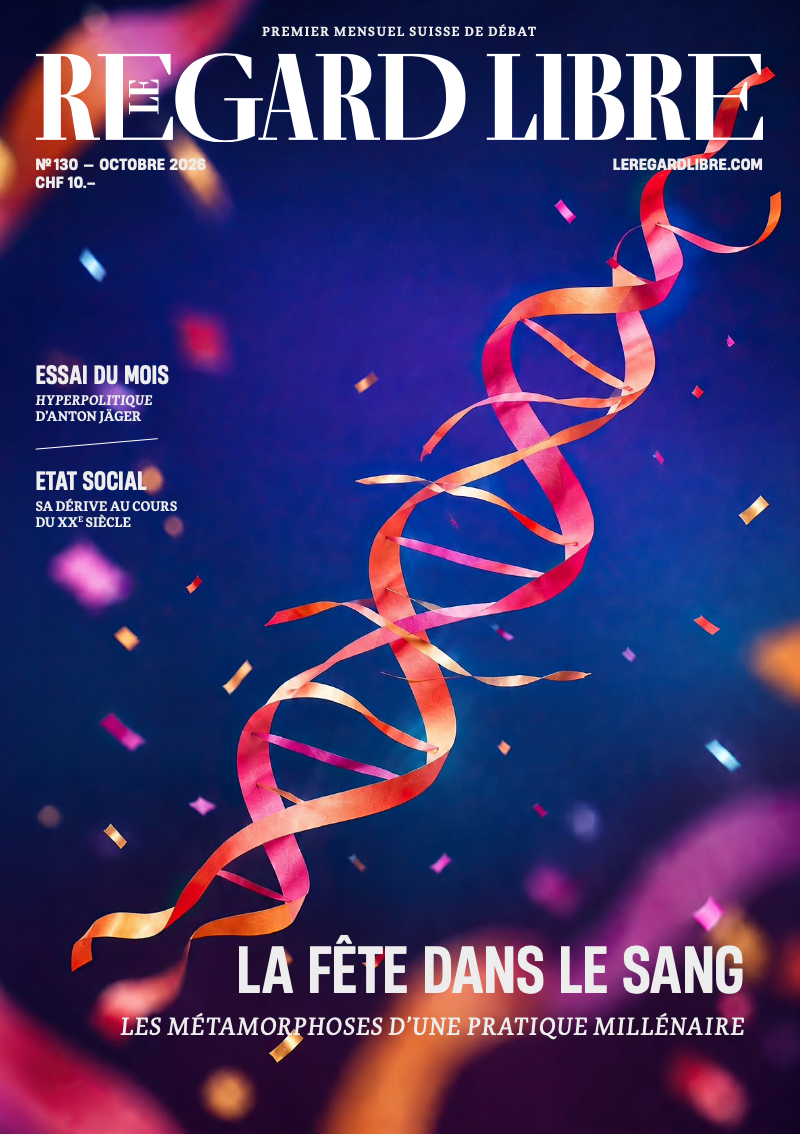
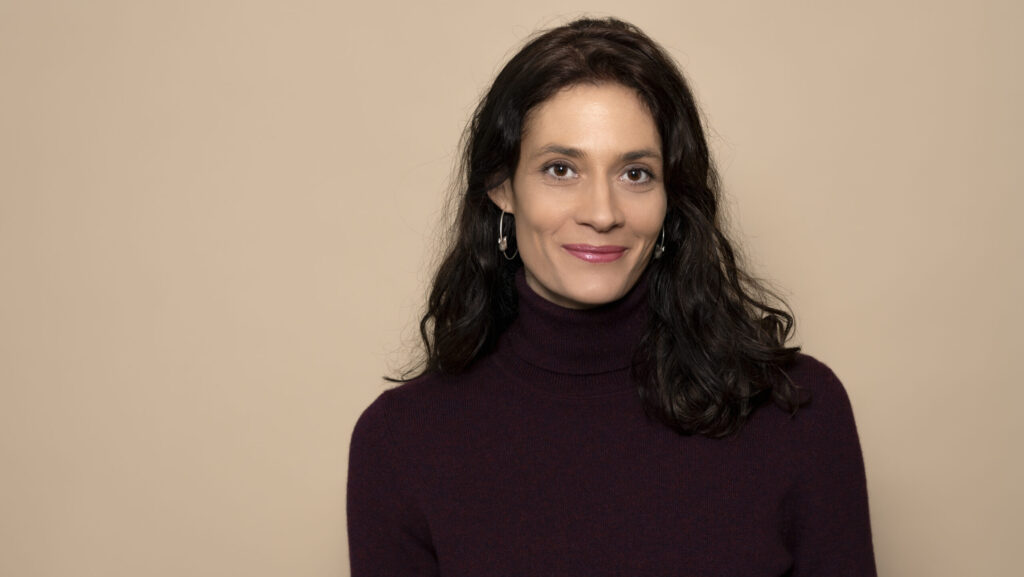
French essayist and journalist Laetitia Strauch-Bonart introduces the new magazine she edits, featuring contributors such as François-Xavier Bellamy, Samuel Fitoussi, Ferghane Azihari, and Abnousse Shalmani.
After more than twelve years of helping «Le Regard Libre» grow, I am stepping down from my executive role with mixed feelings, but I am happy to know that this collective endeavor is strong enough to continue on its own under the editorial leadership of Pablo Sánchez. See you in September!
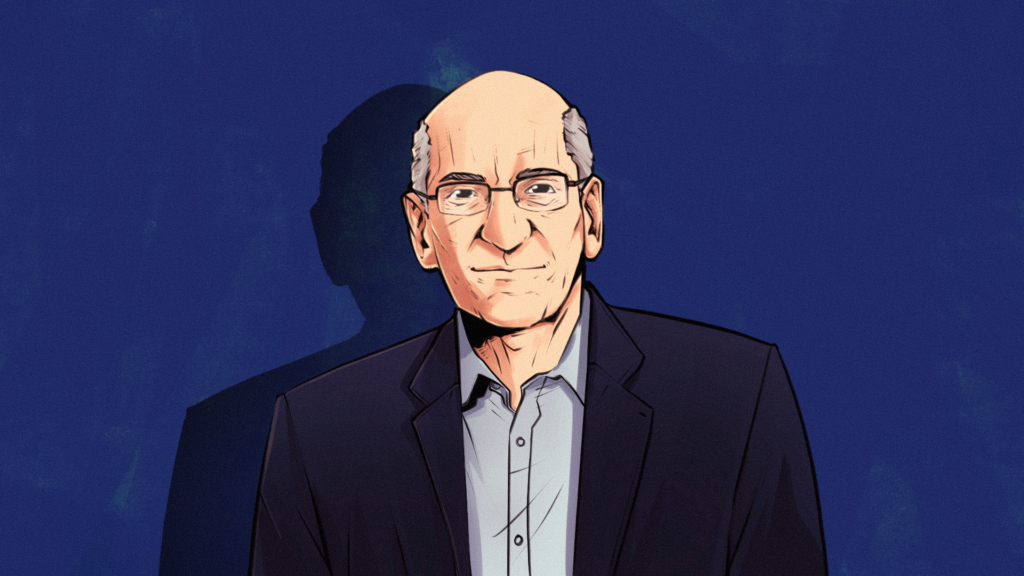
In his column, former Federal Councilor Pascal Couchepin shares a book that left a lasting impression on him. This month, it’s an essay by Marcel Gauchet on democracies.
Illiberalism has established itself as one of the most widely used concepts for thinking about the mutations of the Western right. In a recently published essay, Raphaël Demias-Morisset attempts to trace its intellectual contours and the political traditions it claims to encompass.
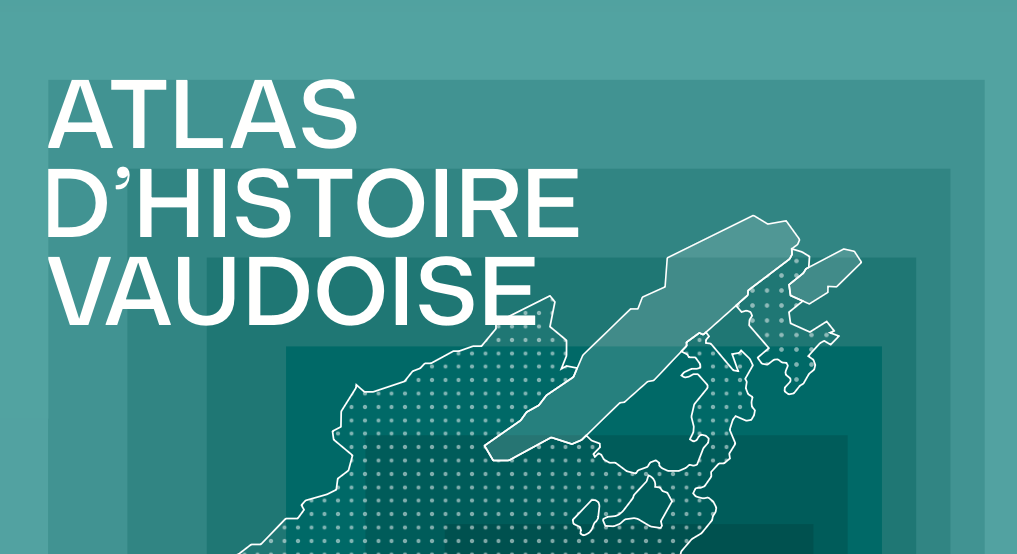
With 132 previously unpublished maps, the book co-edited by Corinne Chuard offers a visual and interactive reading of the past. By combining text and images, it sheds light on historical dynamics whose scope extends far beyond regional borders.
Robert Nozick proposes an original reading of the liberal program: not a minimization of the state, but a political framework that allows everyone to experiment with their own conception of the good life.
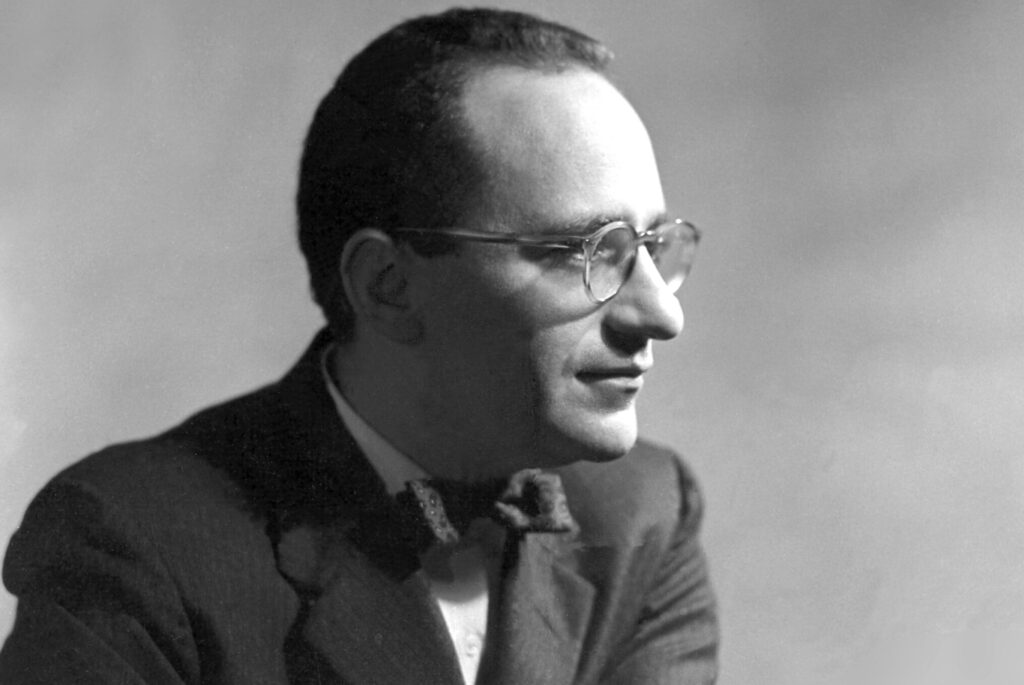
The American libertarian movement, led by Murray Rothbard, has moved away from dogmatic anti-statism to ally itself with the populist right. A trajectory that poses a central question for liberals: how far to ally oneself without denying oneself?
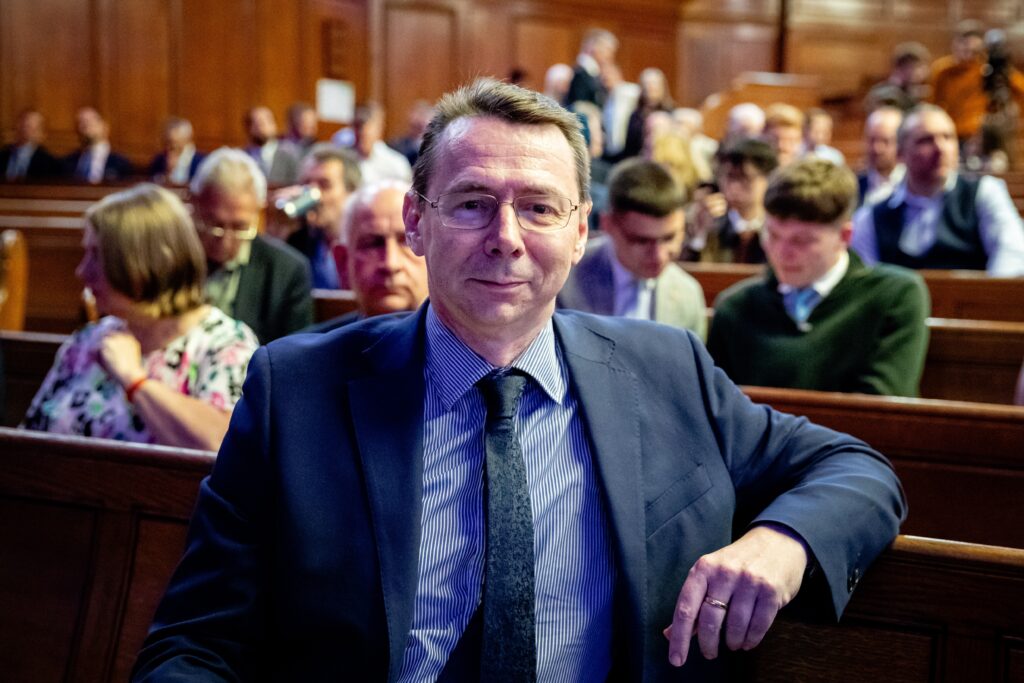
At a time of reconfigured political cleavages in Britain and Europe, Thatcherite thinker Mark Littlewood gives his views on the future of the right and the place of liberal-conservatism in Britain and the West.
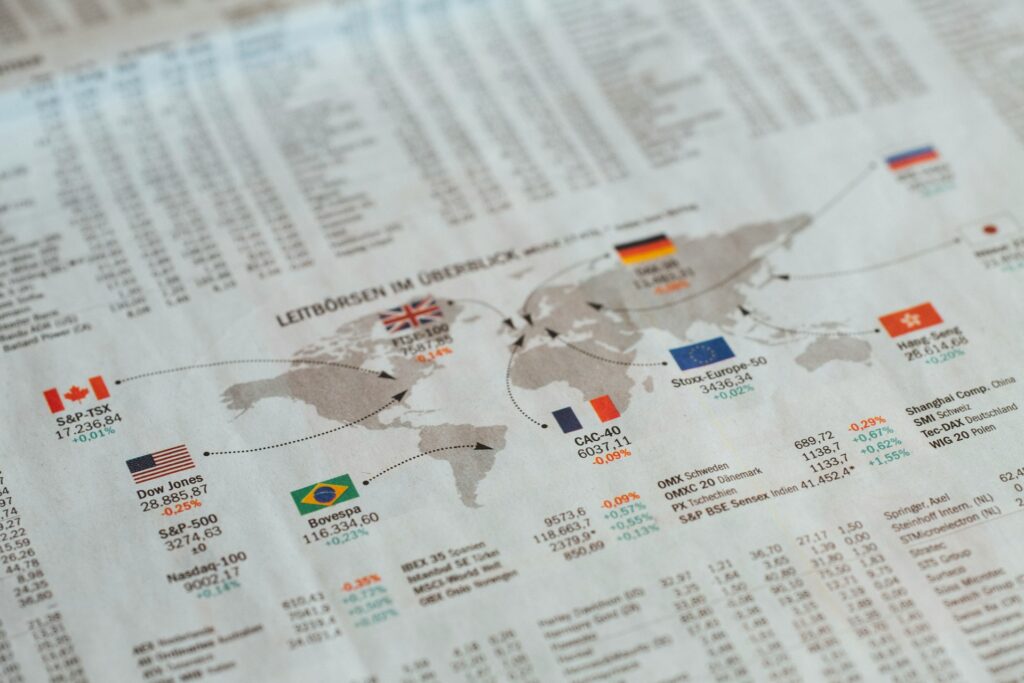
The intensification of trade after 1989 nurtured the idea of a world governed by cooperation. Today, geopolitical rivalries are overturning this belief and reshaping economic relations.








 French
  German
  English