




Havana's revolutionary apprentices
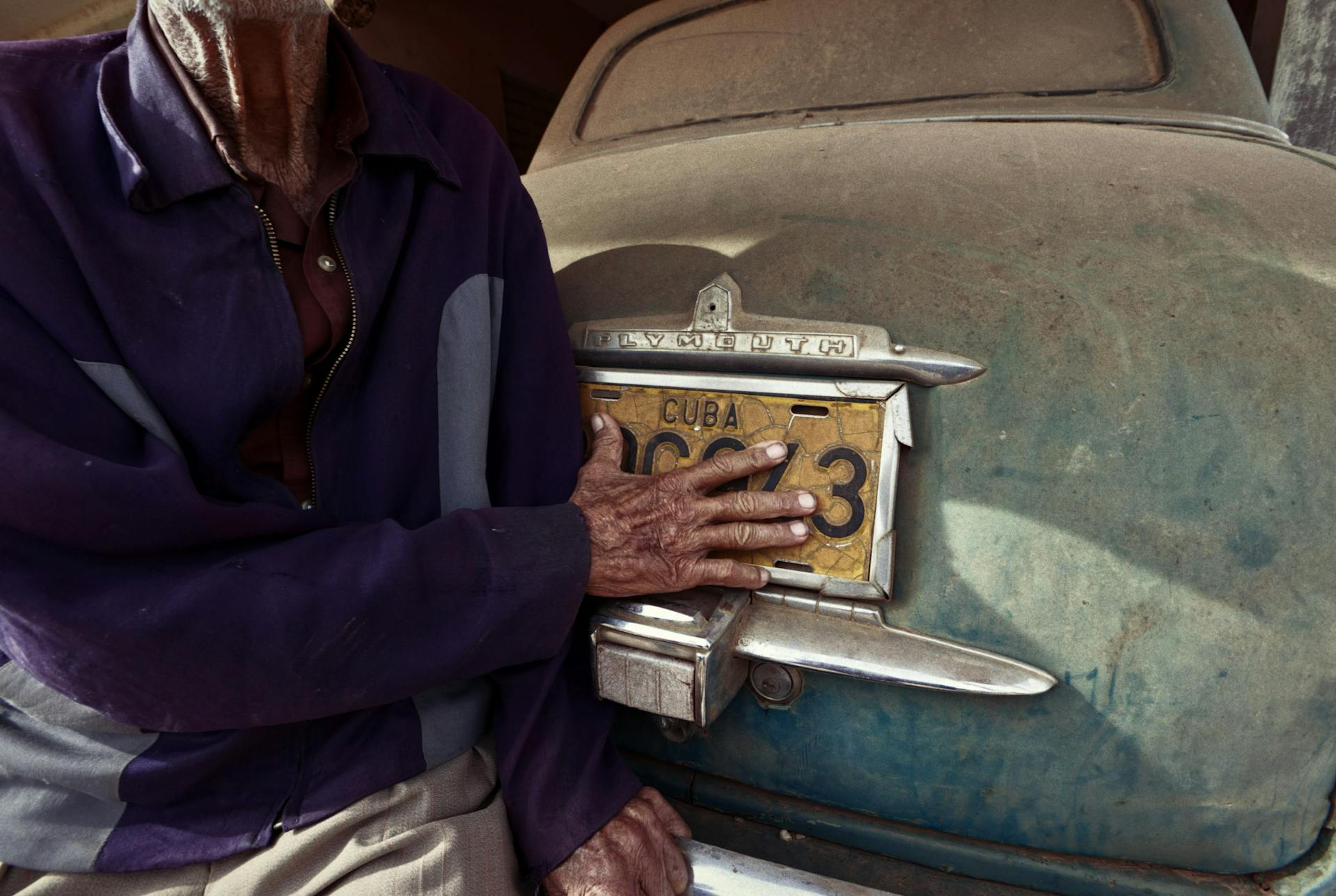
Photo: Pexels
Activists and radical left-wing figures march in Cuba in the name of anti-imperialism, but turn a blind eye to the reality of a dictatorship that counts over 1,200 political prisoners.
On March 21, the crème de la crème of the international far left landed in Cuba to join the «Nuestra América» flotilla, billed as a humanitarian convoy to break the US blockade. Among the participants: Jeremy Corbyn, former leader of the British Labour Party, Pablo Iglesias, former Spanish vice-president, and Emma Fourreau, MEP for La France Insoumise. On site, they met Communist Party executives, who explained to Iglesias that the situation was «certainly difficult, but not as bad as it is presented from the outside». Now that's reassuring.
During their VIP tour of Havana-Potemkin, the apprentice revolutionaries played out the expected program: communist mythology, embraces with dictator Miguel Díaz-Canel, fiery speeches against American imperialism. Cuban prisons, on the other hand, were not on the circuit. According to the NGO Prisoners Defenders, they are home to 1,214 political prisoners.
U.S. policy towards Cuba is far from clear-cut. Since January, Washington has been blocking oil shipments to the island in a strategy of regime change led by Marco Rubio, whose Cuban origins make the island a personal matter. The Trump administration has made a habit of exercising its foreign policy alone, without consultation and in defiance of international rules, leaving its allies to guess at its objectives as it goes along. All this deserves to be said. But to reduce the Cuban tragedy to the embargo alone is to repeat the dictatorship's propaganda, the better to conceal its own record. A service that the visitors have rendered with remarkable generosity.
For the island's catastrophic situation is first and foremost the result of a totally state-planned economy, which the American blockade has only aggravated without creating. Nothing has ever prevented Cuba from undertaking reforms. What the regime produced instead was an undiversified economy, chronic dependence on such reliable guardians as the USSR and then Venezuela, and unprecedented stagnation. Sugar production, once the locomotive of the Cuban economy, is the cruelest illustration: the 2024-2025 campaign produced less sugar than in 1899, according to Everleny Pérez Villanueva, former director of the Center for the Study of the Cuban Economy at the University of Havana. Between 1990 and 2024, the average annual variation in GDP was only 1.1%, recalls economist Mauricio de Miranda Parrondo in a CNN report. The embargo has worsened a disaster of the regime's own making.
Iglesias, Corbyn and company choose to ignore this picture. In Switzerland, the camp of the apprentice revolutionaries has no shortage of relays. On March 14, in Geneva's Place de Neuve, the Association Suisse-Cuba organized a demonstration «against imperialism», with a poster bearing the effigy of Che, officially supported by the Parti du Travail, Solidarités and the Union Populaire. Three Swiss political parties publicly displaying their solidarity with a dictatorship, without the slightest comment. In an age when the slightest association is scrutinized, the selectivity of the indignation is remarkable.
The Cuban people suffer all at once: the yoke of a starving dictatorship, the blows of an unpredictable US administration, and now the distressing spectacle of an international left that comes to Havana in search of the revolutionary thrill it can no longer find at home.
Journalist and consultant, Pablo Sánchez is an editor at Regard Libre. Write to the author: pablo.sánchez@leregardlibre.com.
You've just read an unpublished free-access commentary. Debates, analyses, cultural news: subscribe to support us and access all our content.
You'll also like

 French
  German
  English
Leave a comment