




Venezuela's sovereignty over its people
Les lundis de l’actualité – Clément Guntern
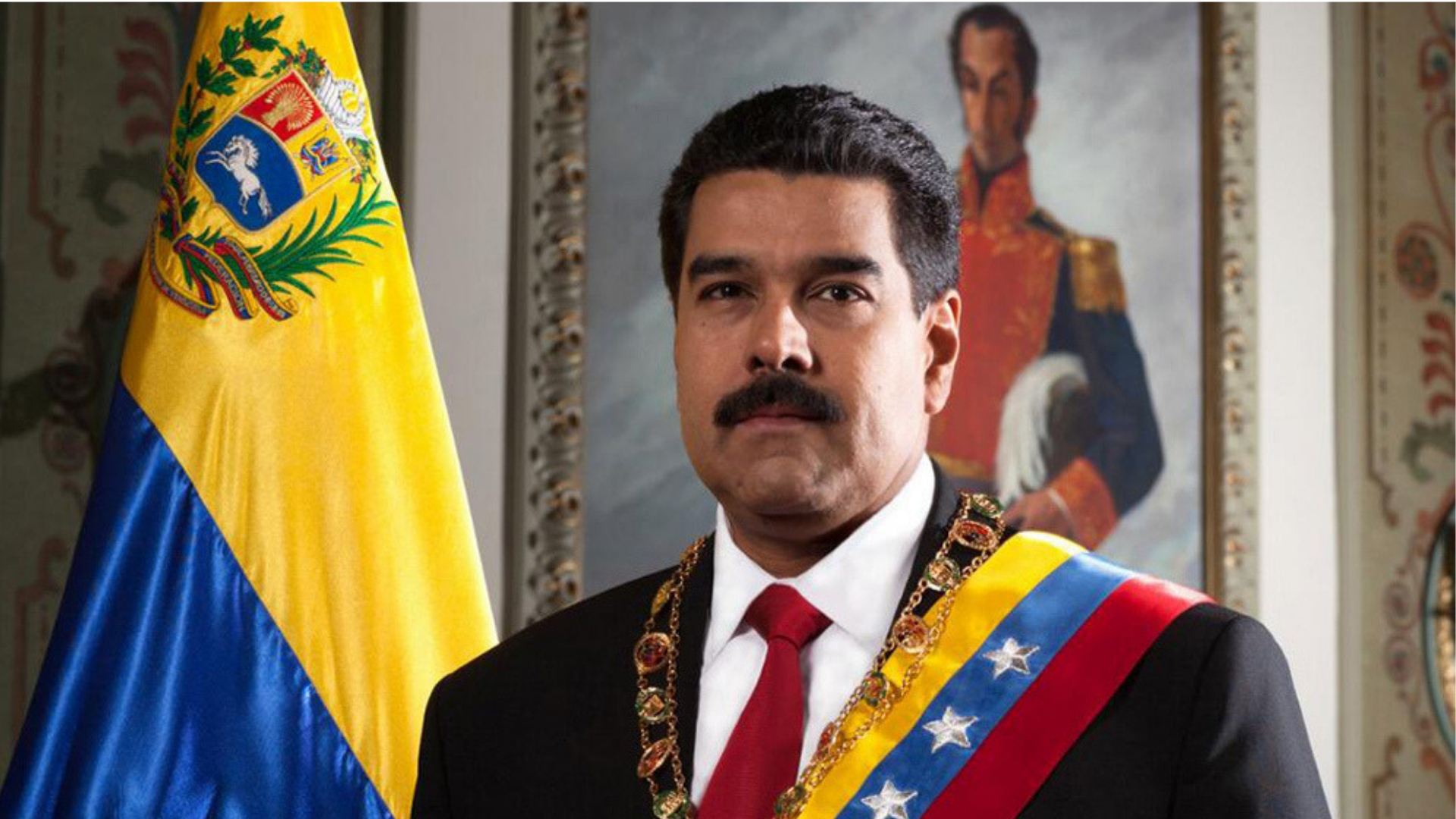
Opponents of Nicolas Maduro's regime have long been waiting for the president of parliament to lead the Venezuelan opposition. He did so in a peculiar way, proclaiming himself interim president of the republic while awaiting new elections. Since then, various countries have taken up positions on this new situation, some calling for President Maduro to step down or for new elections, others for Venezuela's sovereignty to be respected. It's a debate we've heard many times before, between interventionism and sovereignty.
Let’s briefly review the situation in the country before going any further. For several years now, Venezuela has come down from the euphoria brought on by its oil wealth. As global oil prices have fallen for various reasons, the country’s economy has collapsed, and staggering inflation has made life unbearable for the people. As a result, several million Venezuelans have fled the country, while others have protested against a regime that has become far more authoritarian. President Maduro is accused of violating human rights and attempting to cling to power by any means necessary. Since then, the speaker of parliament has proclaimed himself president, and Western nations support him, while China, Russia, and others maintain their confidence in the incumbent president. This debate, which might seem very contemporary given the rise of human rights and democracy, has its roots in centuries far earlier.
The first controversies on this subject in Europe date back to the 14thth century during the Wars of Religion, particularly in France. Protestant thinkers at the time sought to defend themselves, not only through arms but also by justifying their position philosophically and politically. Very quickly, they began to ask whether one had the right to oppose the holder of sovereignty if one suffered serious injustices. At that time, the holder of sovereignty was the king, whereas in our case, it is the Venezuelan people who delegate it to their president. Not all thinkers reached the same conclusion. Some believed that if a king became a tyrant and committed serious abuses against the faith, one should turn to his subordinates to lead the resistance, since they, too, were holders of sovereignty. Other authors went so far as to justify tyrannicide. Opposing these thinkers were the defenders of absolute sovereignty, such as Martin Luther and Thomas Hobbes. They argued that sovereignty was bestowed by God upon the king and that to oppose the sovereign was to oppose God. Thus, any act against the sovereign became an act against the world order.
Analogies can sometimes be treacherous and must be handled with care. However, we can conclude from this brief look back at history that sovereignty is not necessarily absolute and that, under certain conditions, it is possible to resist the official holder of sovereignty through other authorities. The speaker of parliament is an example of a public official capable of leading a resistance. And when a people suffers serious violations of its freedom, it is legitimate for them to rise up through their own public officials.
We must stop viewing sovereignty as something completely inviolable, because, in fact, it has varied throughout history. Of course, to encroach on the sovereignty of others, certain conditions must be met so that the intervention remains legitimate. In the case of Venezuela, an internal opposition has long been calling for elections and Maduro’s departure. All of this is happening while repression rages and those in power are trying by every means to stay in office. The positions taken by Western nations do not justify the criticism leveled at the Russian and Chinese heads of state, who are themselves, to varying degrees, tyrants to their own people.
Write to the author:[email protected]
You'll also like

 French
  German
  English
Leave a comment