














Ecomodernism, an interesting path to a joyful ecology
Le Regard Libre N° 74 – Jonas Follonier
There isn't just one political ecology. Reminding us of this is one of the great merits of Luc Ferry's new book, The Seven Ecologies, published by Editions de l'Observatoire. The French philosopher distinguishes in turn between collapseists, revolutionary alarmists, decolonials, ecofeminists, animalists, reformists and ecomodernists, an approach championed by the author.
Ecomodernism is a form of political ecology that promotes the circular economy., In other words, an economy that optimizes waste limitation and minimizes the waste of resources. Collapsers, on the other hand, see catastrophe as inevitable, while revolutionary, decolonial and ecofeminist alarmists see ecology only in terms of a binary struggle against the white, macho, (neo)colonial West. As for animalists, as their name suggests, they defend the idea that animals have the same rights as human beings. Finally, reformists are supporters of green growth and sustainable development.
What makes eco-modernism a preferable form of political ecology? Luc Ferry offers an explanation. It's because eco-modernism is part of a process of progress, and nobody wants tomorrow to be less sunny than today. «If the circular economy project can work,» writes the philosopher, «if it is not a utopia, it is because instead of costing, reducing and punishing, it brings in money, well-being and beautifies the world. To be “100% good” would therefore be to practice recycling on a large scale, which in the end implies little moral admonition, but on the other hand a great deal of intelligence, because it would also mean putting an end to the manufacture of “cretinous products”.»
Above all, eco-modernism avoids the false moral trial that far-left ecology invites on a whole section of the population. By taking entrepreneurs by the hand, as they are naturally the key to solving the environmental problem, the political proposal put forward by the former French minister has the advantage of not pitting us against each other, as we're all too used to - city dwellers against country folk, cyclists against motorists, public against private, left against right, good guys against bad guys:
«Contrary to what the anti-capitalist ideology that drives most degrowth movements asserts or implies, shopkeepers and company directors are not bastards: if they harm the environment, it's not or not only to make more money, as the small-footed moralists claim, but most of the time for reasons of simple survival in relation to the competition.»
No one can avoid this important and fascinating debate. It's good news that the wise Luc Ferry has brought order and vision to the subject. Everyone will now be able to form their own opinion, in a less sectarian atmosphere.
Write to the author: jonas.follonier@leregardlibre.com
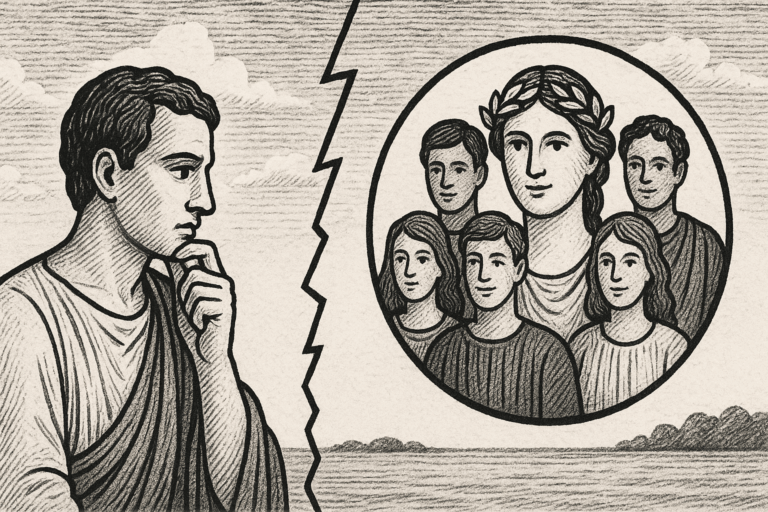
Drawing: © Nathanaël Schmid for Le Regard Libre

Vous aimerez aussi


 French
  German
  English
Laisser un commentaire