




Debate on secularism tears Geneva apart
A Look at Current Events – Jonas Follonier
In short, secularism is a principle inherited from the 19th century.th a century-old principle that aims to ensure the state remains neutral in religious matters and separate from the churches. The idea of a separation between church and state, of course, has ancient origins («Render to God what is God’s, and to Caesar what is Caesar’s»), but let’s be clear: secularism as it has manifested itself (timidly, except in France) over the past two centuries has its roots in Enlightenment thought—one need only think of Locke or Voltaire and their writings on tolerance and the liberal state.
The Republicans of the 19thth The thinkers of the 19th century subsequently established secularism as a principle; it is therefore a fundamental component of our modern states, forged by the radicals in both France and Switzerland. But what politician today still knows history, aside from a few enthusiasts? It seems that no one realizes just how precious our two-century-old legacy is.
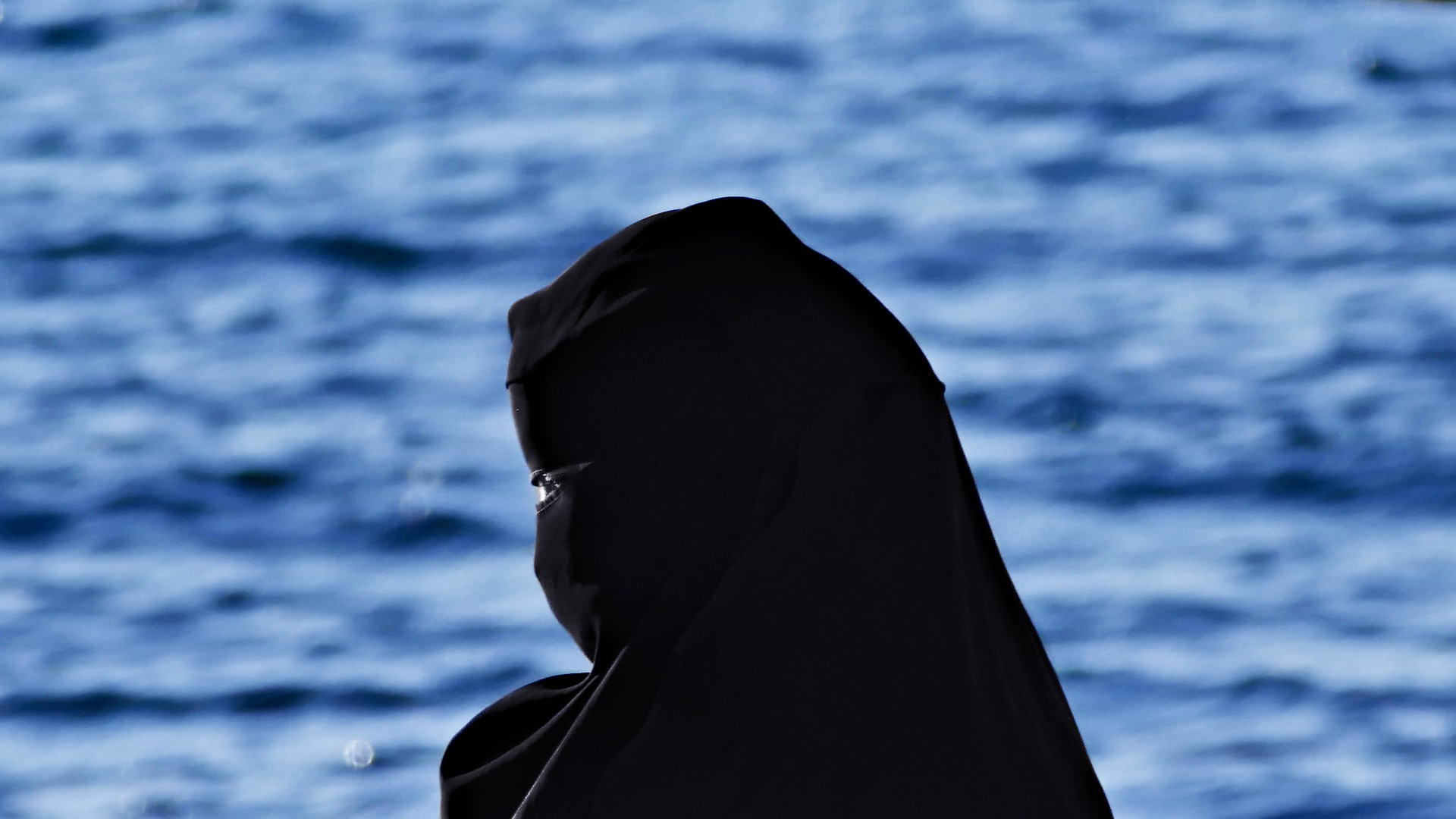
We see this clearly in Geneva, one of the few French-speaking cantons to have enshrined secularism in its constitution—though it has not yet fully implemented this principle. Since the beginning of the year, the debate has been raging: should we adopt an open form of secularism or a rigid one? Should civil servants be allowed to wear the Islamic headscarf, or should it be banned? Should the church tax be considered a necessary exception, or should it be abolished? The issue at hand boils down to whether or not we want to do away with secularism.
Personally, I naturally opt for the second option. However, today’s article is not intended to take a position, but rather to describe things accurately. To do so, let’s not oversimplify matters. Indeed, it’s all too tempting—as is the case with many politicians, commentators, and ordinary people—to label the proponents of the first option as “Islamo-leftists” and the second as “Islamophobes.” Let’s set aside our emotions about Islam for a moment and consider that this debate pits multiculturalists against republicans.
Within Geneva’s left-wing political spectrum, the situation is as follows: the Socialist Party is divided, the Greens are divided, and the far left is divided. It must be admitted that the argument of the republican state is not really invoked among those on the left who advocate «strict» secularism; they prefer to emphasize women’s freedom and equality in relation to men. But aren’t freedom and equality also republican principles? So let’s come together—the apolitical, the PLR, the UDC, the PDC, the PS, and the Greens who support banning religious symbols within the state—instead of creating thirty-six different positions.
The political landscape would benefit greatly from being redefined—not necessarily in terms of parties, but in terms of ideas. “Left” and “right” are labels that are no longer sufficient. Depending on the issue, why not envision a “republican front” and a “multiculturalist front”? For other issues, why not envision a national coalition and a transnational coalition? And, of course, a liberal camp pitted against an interventionist camp? Such discussions would have the merit of being clearly articulated, and perhaps politics could then get to the heart of the matter.
Write to the author: [email protected]

You'll also like




 French
  German
  English
Leave a comment