DOSSIER «THE END OF THE WORLD» | They are sometimes referred to as «prophets of the Apocalypse», or «unreasonable catastrophists». However, beyond the caricature, the proponents of this «science of collapse» have a well-constructed, rational discourse worthy of interest.
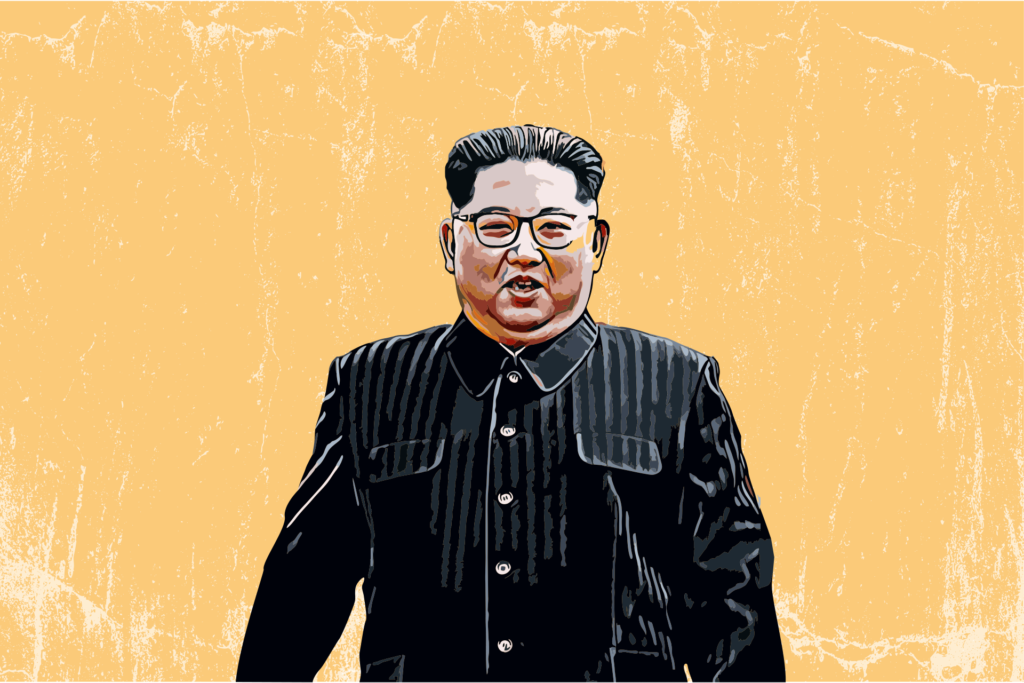
DOSSIER «FIN DU MONDE» | The Taiwan Strait crisis and Kim Jong-un's threats are rekindling tensions between the East Asian powers. With them come fears of nuclear escalation. The atomic bomb is an asset for negotiation, but without room for diplomatic dialogue, it becomes a scarecrow.
SPECIAL FEATURE: «SEX, WITHOUT INHIBITIONS» | Starting with the kiss, here we take a closer look at poetry related to the flesh. It could serve three functions. It would prevent memories from fading. It could bear witness to the serious, and, since it is not commercial, it would not be capable of being pornographic.
The fateful moment is approaching. Never before has the People's Republic of China (PRC) been so ready to undertake its historic mission: to complete the reunification of China and wash away the affronts of a century of humiliation. Beijing has long been preparing for this, as have Taipei and Washington. While all options are on the table, there is no guarantee that this operation will be the prelude to a new confrontation between the great powers. Here are three main scenarios, and the issues that underlie them.
DOSSIER «LE SEXE SANS COMPLEXE» | The prohibition of prostitution in certain European countries seems inconsistent, since pornography is legal there. Wouldn't a sound policy be to act upstream, to avoid encouraging on the Internet what we proscribe on the street, or to accept, like the old-timers, that it's better to regulate it, because it's a phenomenon that is, after all, inevitable?
What if Europe lay in the antagonism born of the Renaissance between the Christian and scientific worldviews? This opposition has always been present in different forms at different times. Today, it has taken on a new dimension: some argue that a materialistic reading of the world is now impossible, given current physical theories.
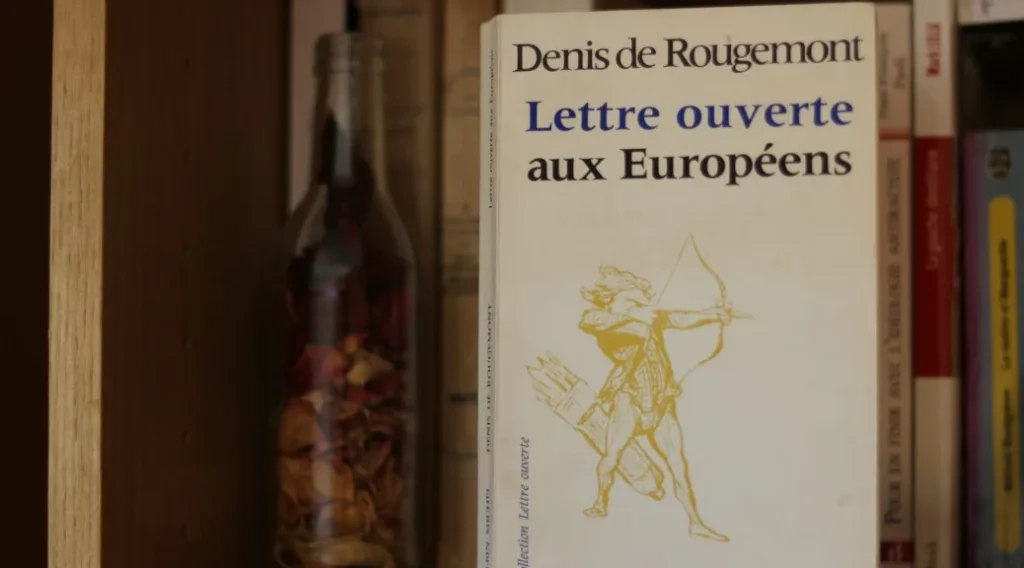
FEATURE: «DID YOU SAY EUROPE?», Antoine-Frédéric Bernhard | He is a major intellectual figure of the 20th century—a Swiss, no less—yet one we hear very little about. Lack of interest is undoubtedly a major factor, since Denis de Rougemont’s entire body of work has been available for free online since 2020, thanks to the efforts of several researchers at the University of Geneva. This prolific writer devoted a large part of his work to Europe, which he saw as caught between the two superpowers, the United States and the Soviet Union. In his 1970 *Open Letter to Europeans*—a plea for European cultural identity—the Geneva-based writer advocates for the idea of full federalism, grounded in a regionalism opposed to all forms of modern nationalism. His reflections on European unity are more relevant than ever. Here is a brief overview.
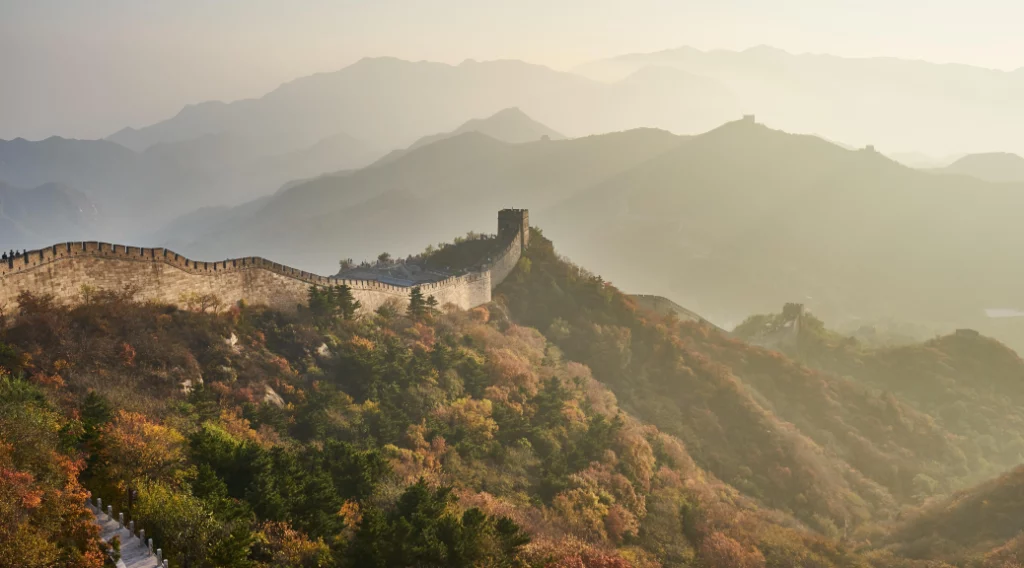
The frontier, increasingly decried in Western countries over the past sixty decades, is now making a comeback. Talk of a world without borders is no longer so appealing, for a number of reasons. Russia's invasion of Ukraine is a powerful demonstration of the absurdity of talking about independence without territory. What's more, it's clear that the idea of a united Europe in the face of the many challenges of our times (war, terrorism, immigration...) requires recognition of its external borders, which are extensions of the internal borders of the countries that make it up. Borders are the markers of a country's history: they define its contours, not only geographically, but also culturally. At least, that's the idea behind Régis Debray's Eloge des frontières.
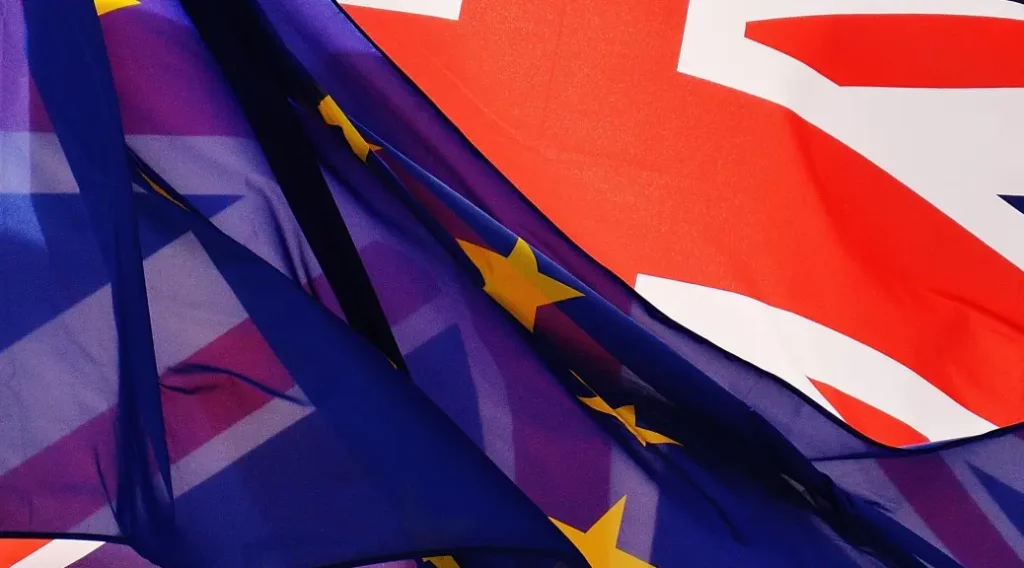
Despite its turbulent history within the European family since 1973, the United Kingdom has nonetheless been...







 French
  German
  English