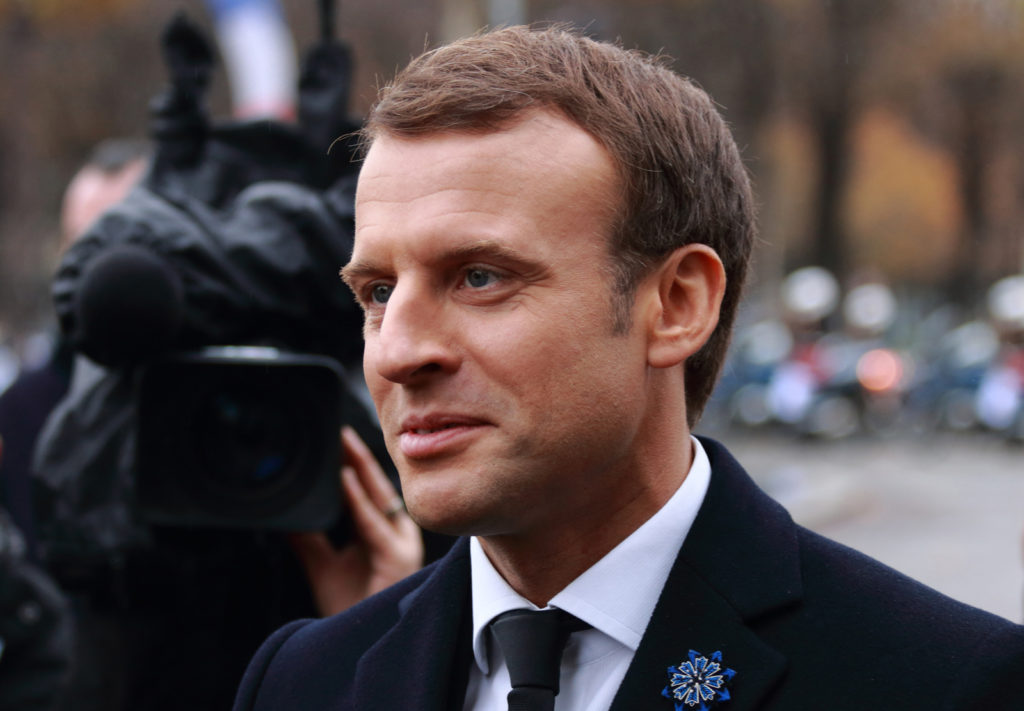
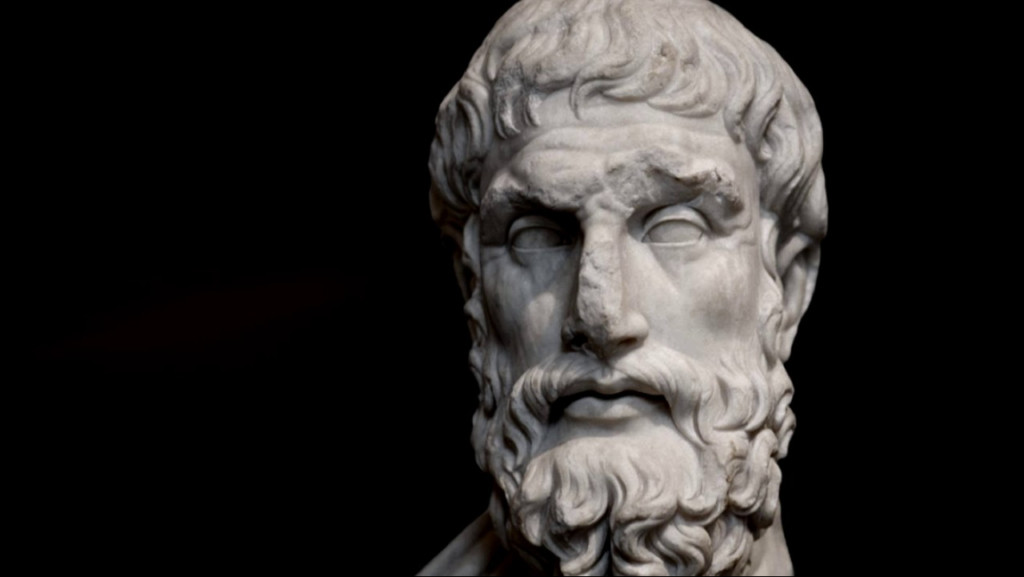
LONG FORMAT ARTICLE, Enzo Santacroce | Nietzsche, the multi-faceted philosopher, was as much reclaimed and hijacked by Nazi ideology as by the anarchist forces driving the students of May '68. How can we explain the fact that the thinking of this brilliant mind has been co-opted by both brown and red? The German philosopher's fragmented and deliberately shocking statements certainly contributed to his misunderstanding. However, his lucid critique of a Western society now living without transcendence is highly topical, in that the only acceptable value today is that of health, understood as the annihilation of suffering. Aware of this decline early on, Nietzsche developed a tonic response based on the will expressed by the body, finally rehabilitated in its desiring dimension.
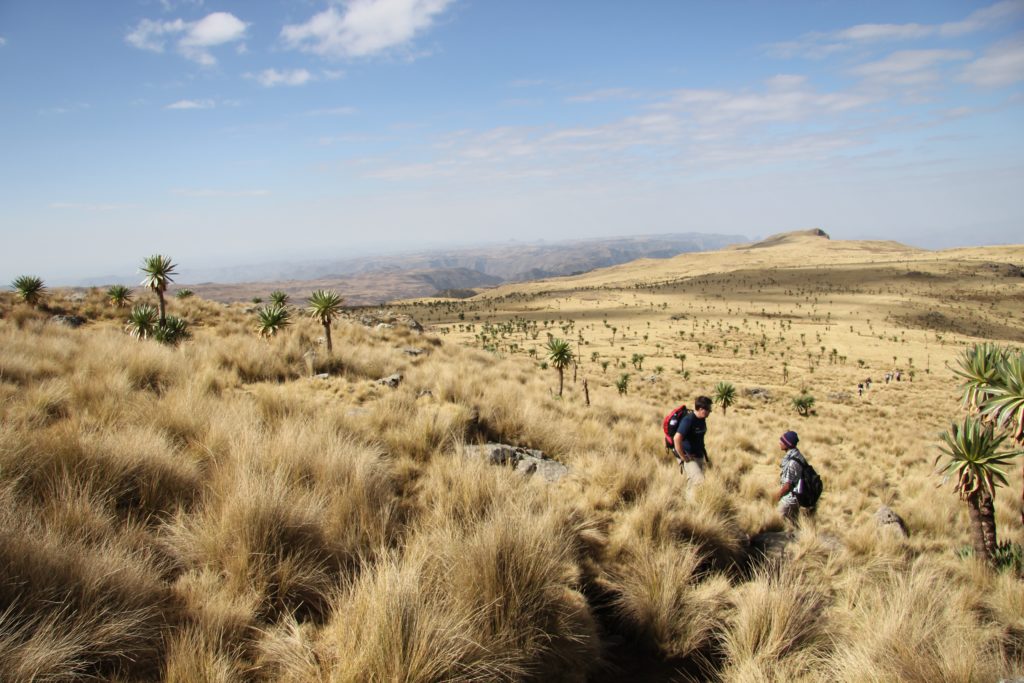
Considered by some as the «China of Africa» in the 2000s and 2010s, Ethiopia looked set to enjoy a new prosperity as it opened up to the world, a far cry from the famines and wars of the past century. How could such promises have been lost, and Ethiopia plunged into civil war?
To better protect the West
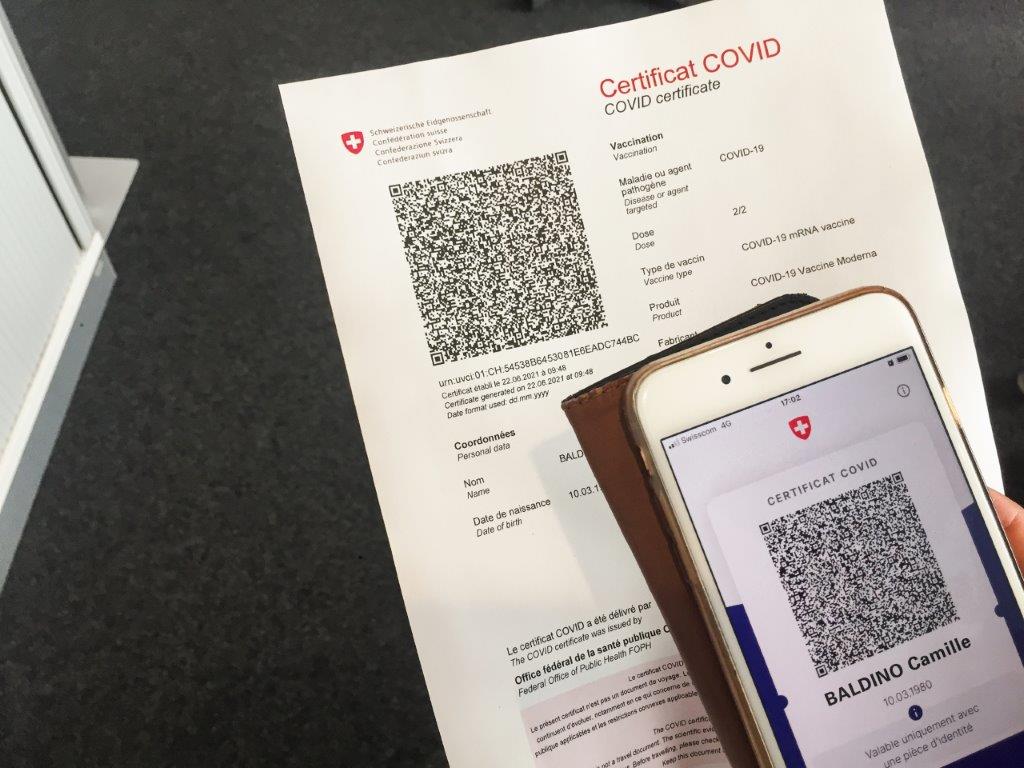
Like Pandora's box, the question of the Covid certificate, once opened, unleashes a multitude of complex themes that question our relationship to authority. It also reveals that modern thinking has yet to mature with regard to the difficult question of the dividing line between the public and private spheres, which 19th-century liberals had highlighted in their writings. By way of example, the media and the general public talk about the majority and the minority, without realizing that the latter is actually threatened in this new episode of the Covid certificate in the pandemic soap opera. Indeed, non-vaccinators will soon be considered persona non grata in the public arena, which is reminiscent of the mechanisms of social stigmatization, particularly tragic in the case of the Covid certificate.
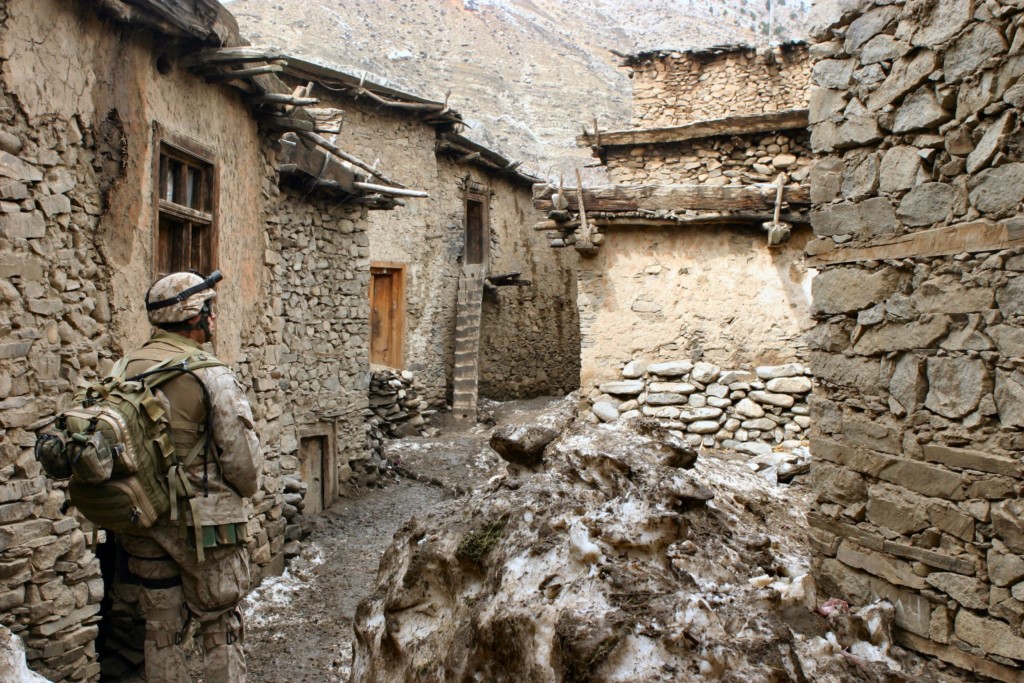
LONG FORMAT ARTICLE, Jean-David Ponci | When we saw how quickly the Taliban took control of Afghanistan, we were quick to criticize the United States, which should have prevented them from doing so. Beyond this initial reaction, this war provides us with an excellent basis for reflection on a universal question: how can one nation transmit its values to another? The answer will enable us to see more clearly the alleged defeat of the West, and to reflect on the image we give to the rest of the world.
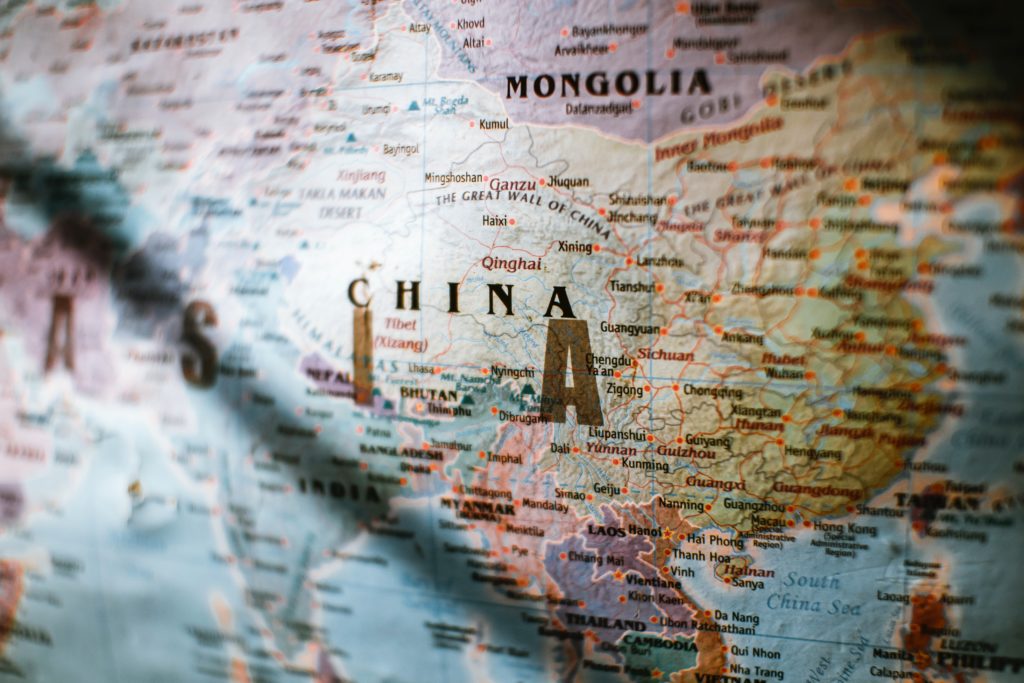
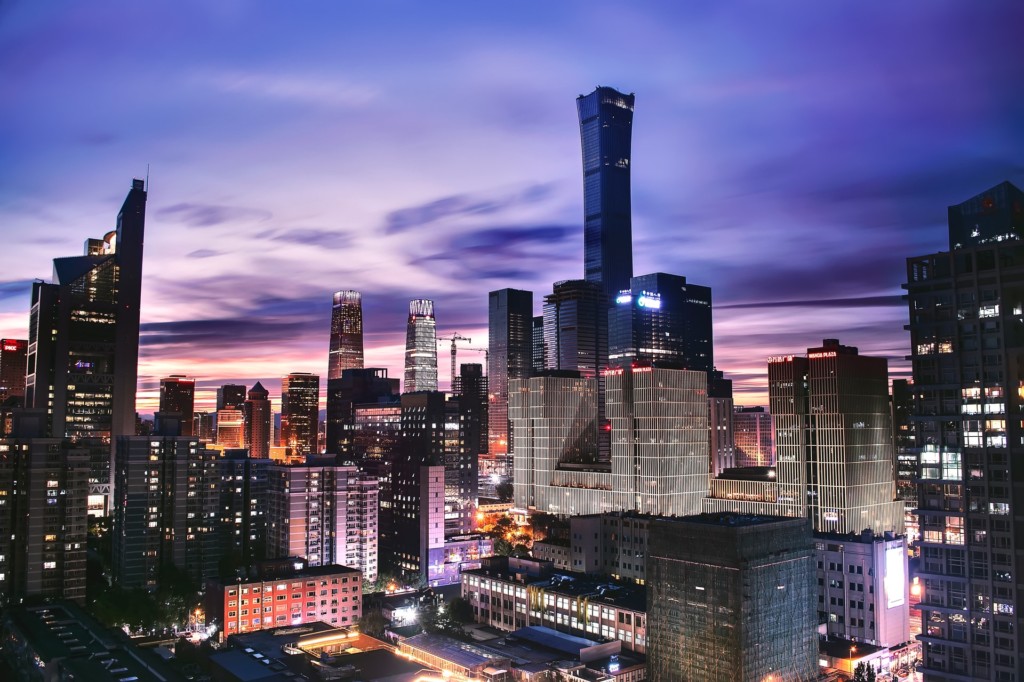
LONG-FORM ANALYSIS, Clément Guntern | Despite its image as a rising power and its grand ambitions, China’s plan to build a global empire is likely to face numerous obstacles. Corruption, an aging population, slowing growth... Here are the reasons why the road ahead is far from clear for Beijing.
Le Regard Libre N° 77 - Enzo Santacroce «Prejudice against philosophers» series, episode #2 If ever there was a philosopher...
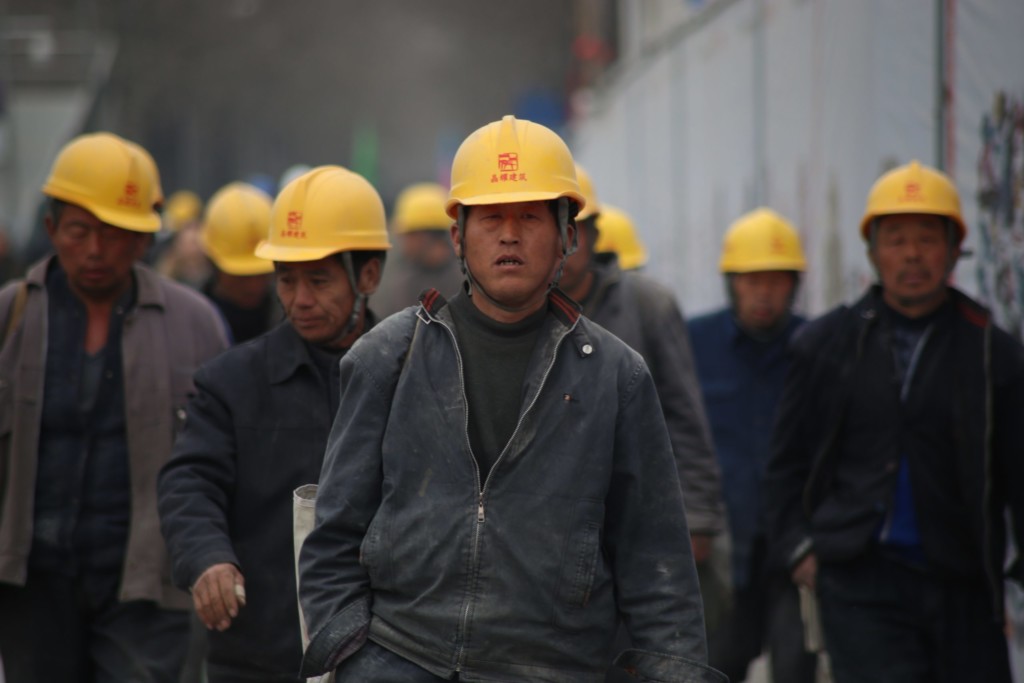
In an unprecedented upheaval in human history, entire regions that had been synonymous with poverty and political chaos have emerged on the world stage. However, the West, which is largely responsible for this recent success, does not yet seem to have integrated the new global order: in the near future, it will no longer be the center of the world.
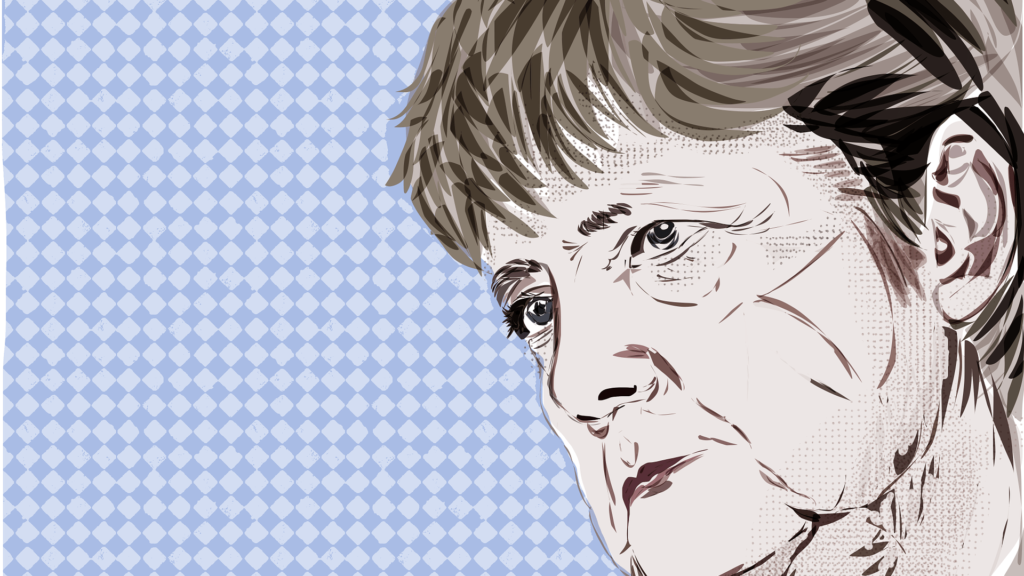
LONG FORMAT ARTICLE, Clément Guntern | As September's general elections for the Bundestag draw nearer, there's an unexpected topic on which Germany's environmentalists could make the most profound changes since the end of the war. And it's not just the fight against climate change.





 French
  German
  English