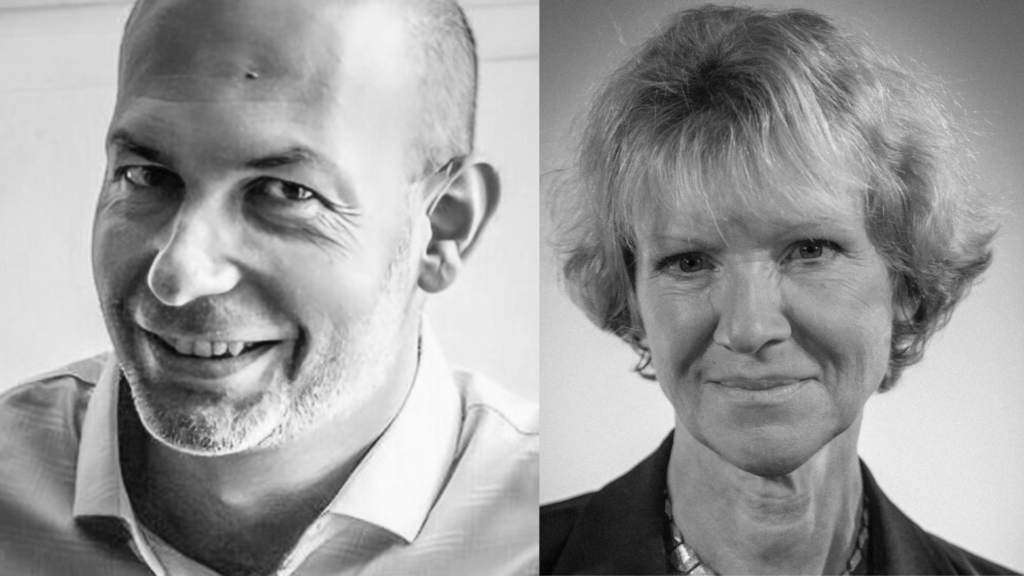
Although the Swiss e-ID solution approved by the electorate on Sunday is not very centralized and guarantees privacy, it does entail a risk that should be prevented, for example by means of another vote.
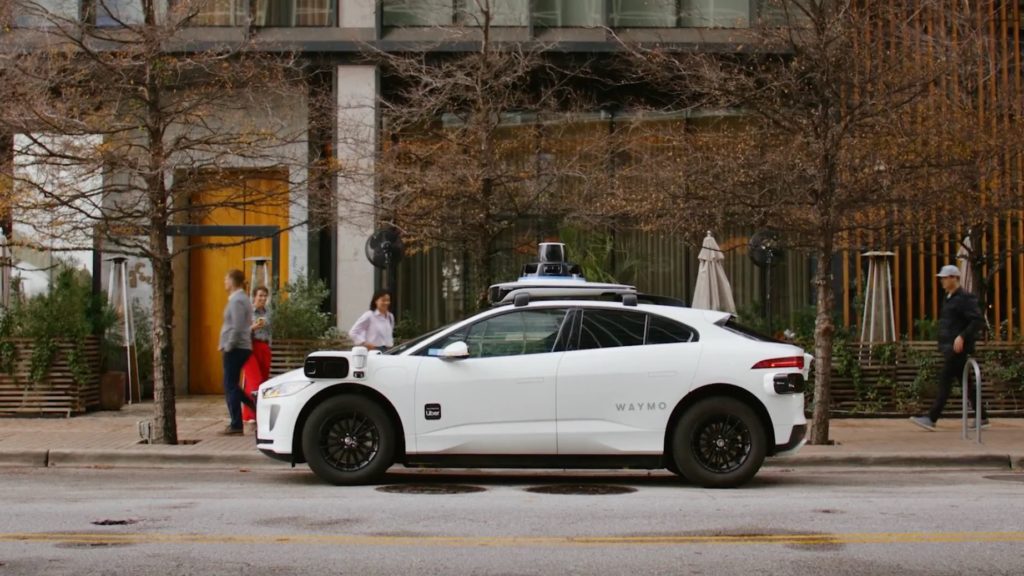
A symbol of emancipation, the automobile embodies movement, intimacy and the power to choose. However, in the age of digital technology and automation, it is changing its very nature. Its evolution tells us something essential about what we are becoming.
Free immigration from the EU certainly boosts economic performance, but it has serious side-effects that have been overlooked. It is thus becoming the driving force behind Switzerland's illiberal transformation.
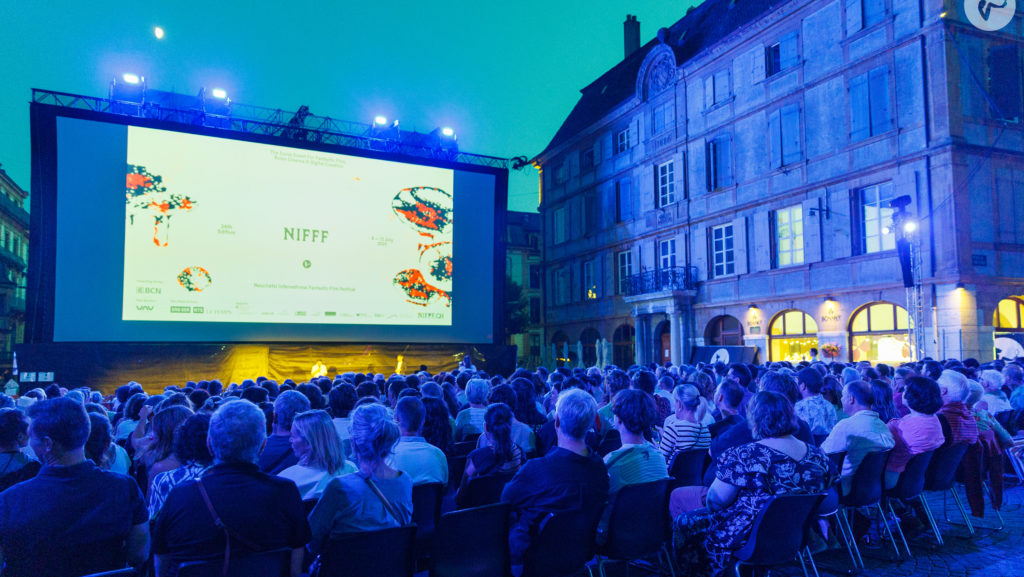
This month, our columnist explores the apparent contradiction between declining cinema attendance and the growing success of film festivals.
What if the fight against masculinism is counterproductive? What if deconstructing male stereotypes is distracting us from the real issue? Warren Farrell is certain of it. Boys are going through a deep crisis and silent abandonment.
French musicology, frozen in a certain dogmatism, is drifting away from the very essence of musical language. That, at least, is James Lyon's point of view. In this article, the music historian defends his resolutely personal reading of the discipline.
Having deplored the laziness of remakes and endless film sequels, our columnist now turns to the pitfalls of adaptations of literary works. Or when hubris pushes us to want to do better than the original work.
While governments dream of digital currencies, Switzerland can shine in other ways. Stablecoins issued by private players offer more freedom and decentralization than an e-franc driven by the National Bank.
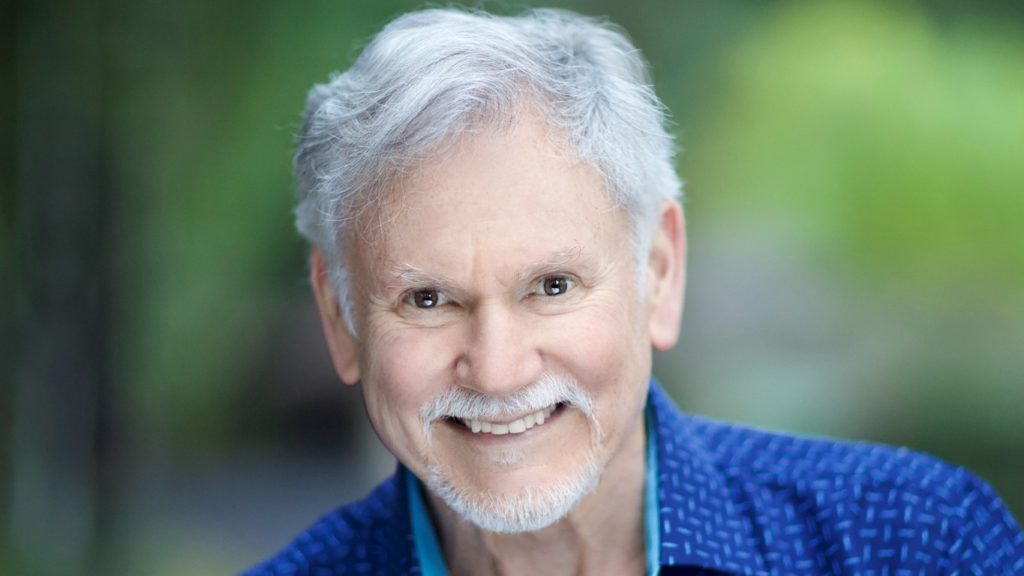
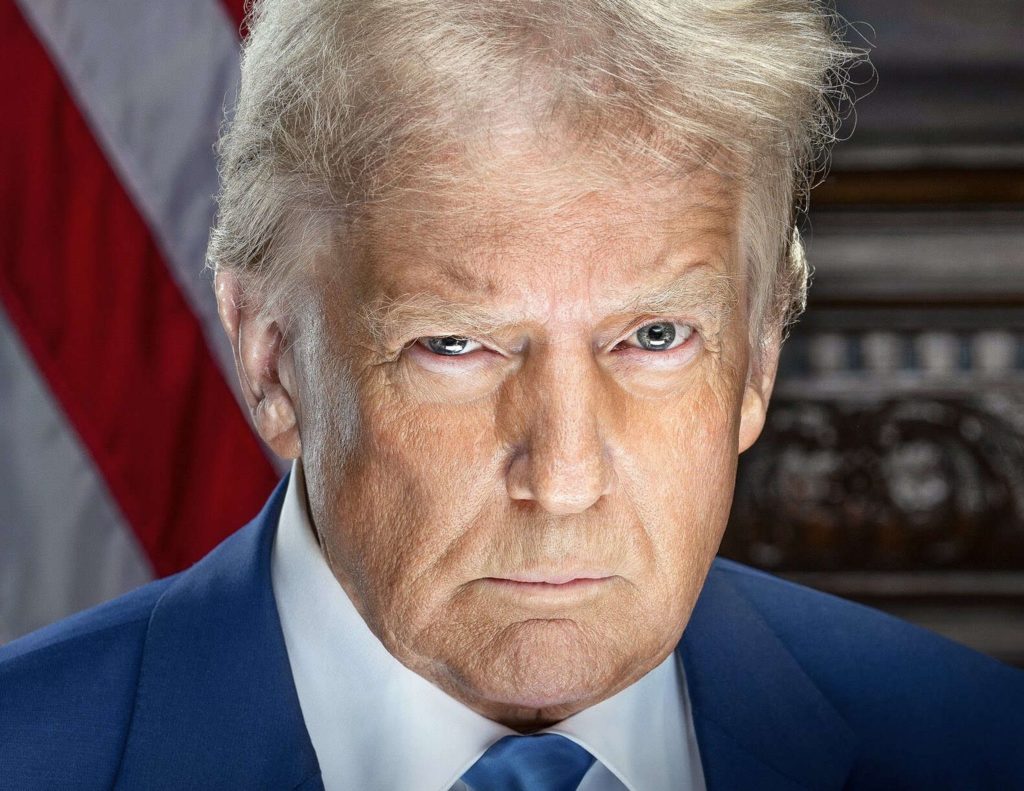
Professor at Pasadena City College in Los Angeles, Edward Feser is a conservative American philosopher. Recently, on his blog, where he regularly comments on current affairs, he was highly critical of Donald Trump's expansionist ambitions.








 French
  German
  English