Ostracized by critics and shunned by audiences, Francis Ford Coppola's civilizational fresco illuminates the ethical and aesthetic dilemmas of Western culture.
Est-ce qu’un documentaire implique une plus grande responsabilité de son réalisateur face à la réalité qu’une œuvre de fiction? Oui, sans aucun doute – c’est du moins le postulat que je défends au sortir du festival international du film alpin des Diablerets.
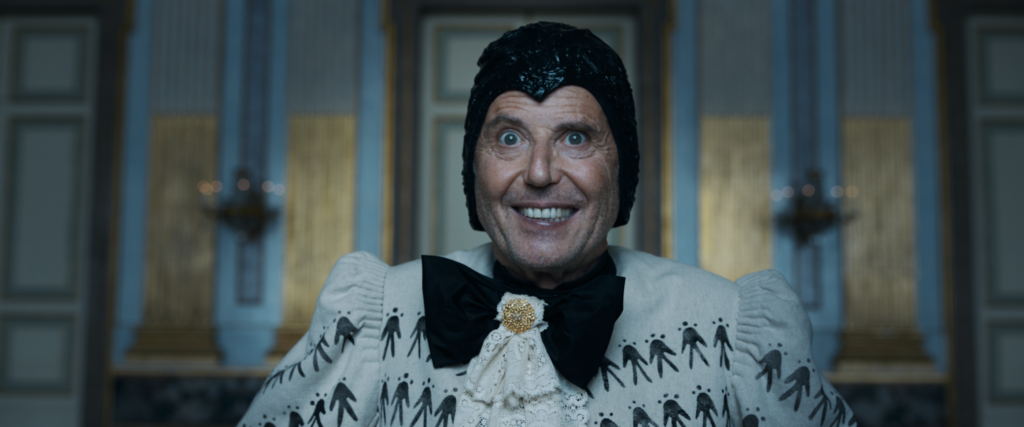
Shortly before the New Year, Radio Télévision Suisse (RTS) brought out the silver and crystal with a historical series produced in collaboration with Netflix. If this lavish work is also audacious, it lacks prodigiousness.
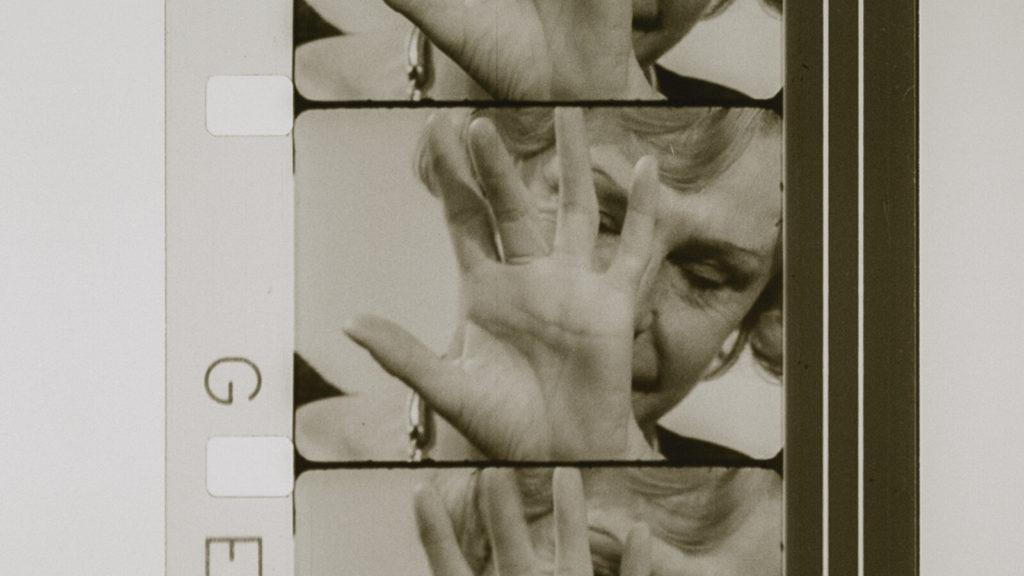
«Leni Riefenstahl», the umpteenth documentary about the German film-maker, explores what might have driven such a brilliant artist to place her talent at the service of the Nazi regime.
Simon Buisson, who has already won awards for his Stalk series about online harassment, has created a feature-length film on the same theme - while introducing a broader reflection on an ultra-connected society where the private sphere is fading away, to the point of disappearing.
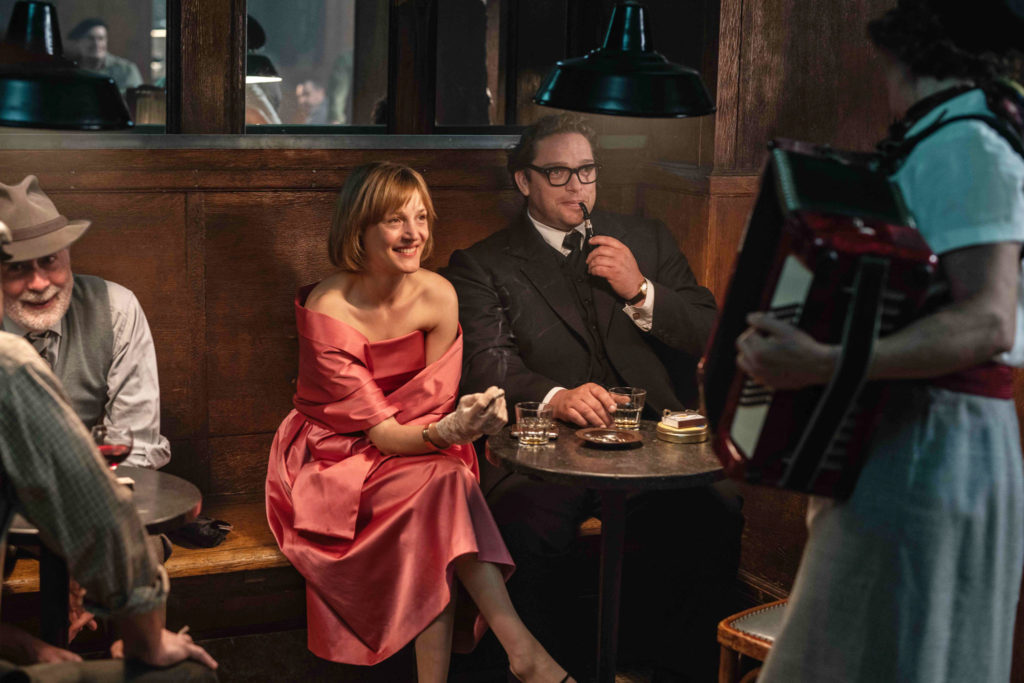
The octogenarian director Margarethe von Trotta, a figure of the new German cinema, signs a relentless and gripping biopic on the relationship between two other major protagonists of the 20th century German literary world: Ingeborg Bachmann and Max Frisch.
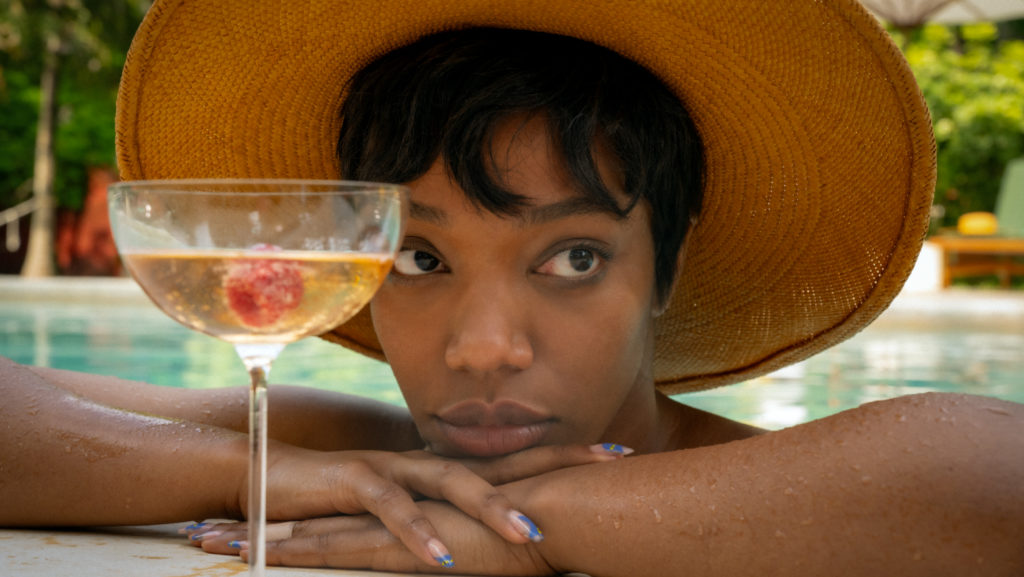
Zoe Kravitz's directorial debut, a psychological thriller, is a scathing denunciation of the «toxic masculinity» of billionaires. It's reminiscent of Jordan Peele's first opus, which used the genre to tackle racism.
Bruno Dumont has returned to our screens with nothing less than a retelling of the Star Wars myth. His film has not failed to divide audiences and press alike. With good reason.
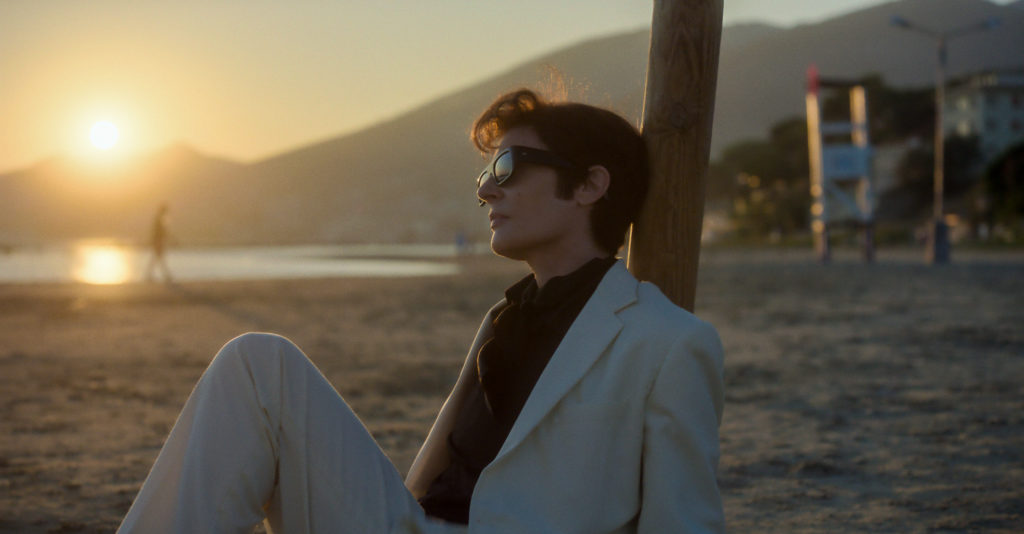
Christophe Honoré's latest film features actors playing themselves. It's funny, poetic, intelligent and moving. Questioning their identity, «Marcello Mio» is universal: who hasn't dreamed of disguising themselves as someone else?




 French
  German
  English