What if gender disparities weren't always to women's disadvantage? Demographics offer a very different picture of reality from that proposed by a sociology under high ideological pressure. Here's a ten-point overview.
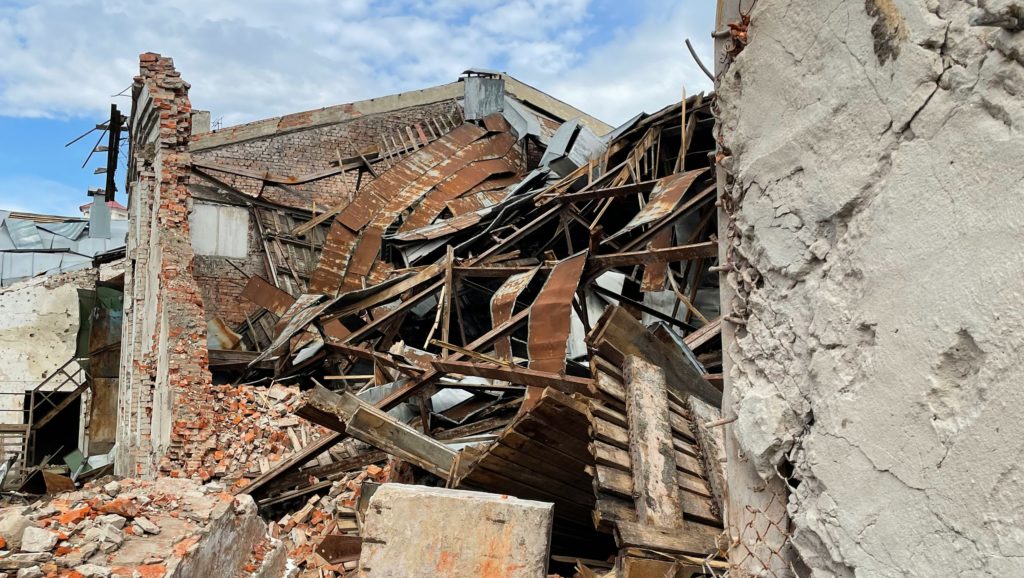
Since Russia's invasion of Ukraine, interest in military issues has grown, including in Switzerland. This is an opportunity to take a closer look at the history of the Swiss army and the way it has reconciled military objectives with democratic imperatives. A book invites us to do so.
The license Israel is giving itself in its response to Gaza is shaking the fragile balance between military necessity and the imperatives of humanity. All of which further weakens the prospects of a peace that is anything other than a prologue to future confrontations.
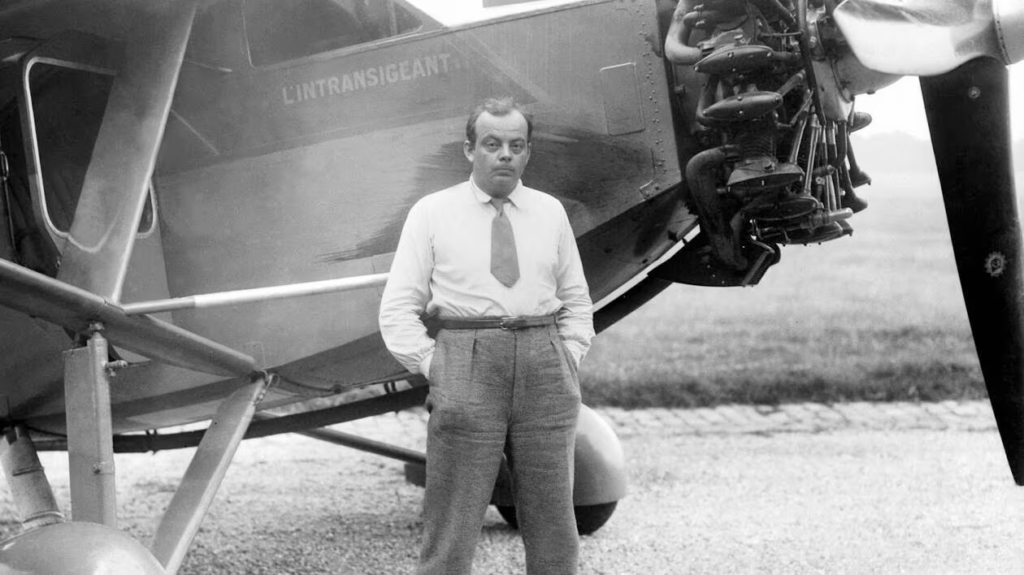
All they did was deliver mail by air, but they became heroes. Here's a look back at l'Aéropostale, a human adventure of glory and death.
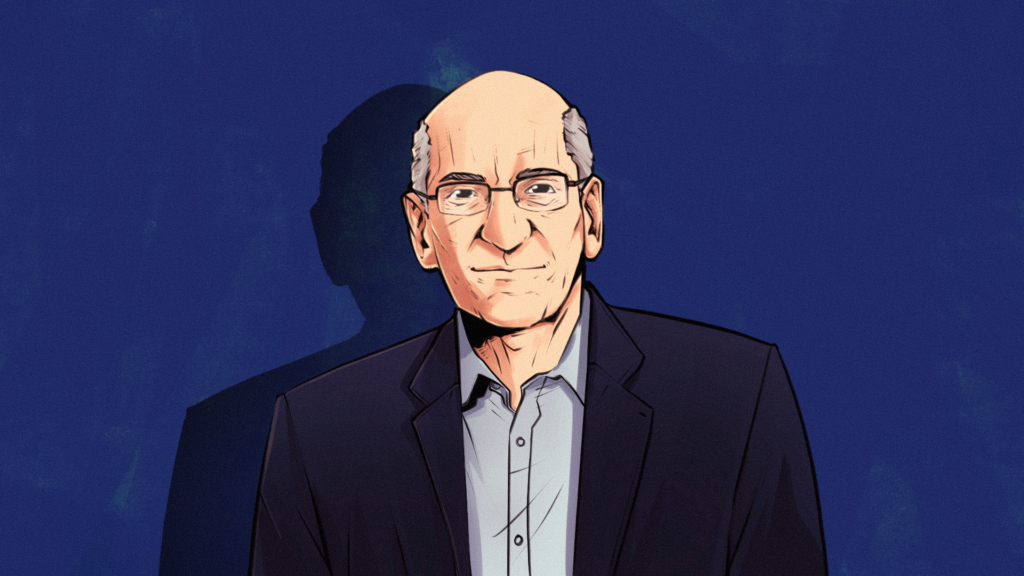
Each month, we feature a column by one of the personalities who give us the pleasure of alternating between the two. Current affairs, history, politics and philosophy: former Federal Councillor Pascal Couchepin's readings.
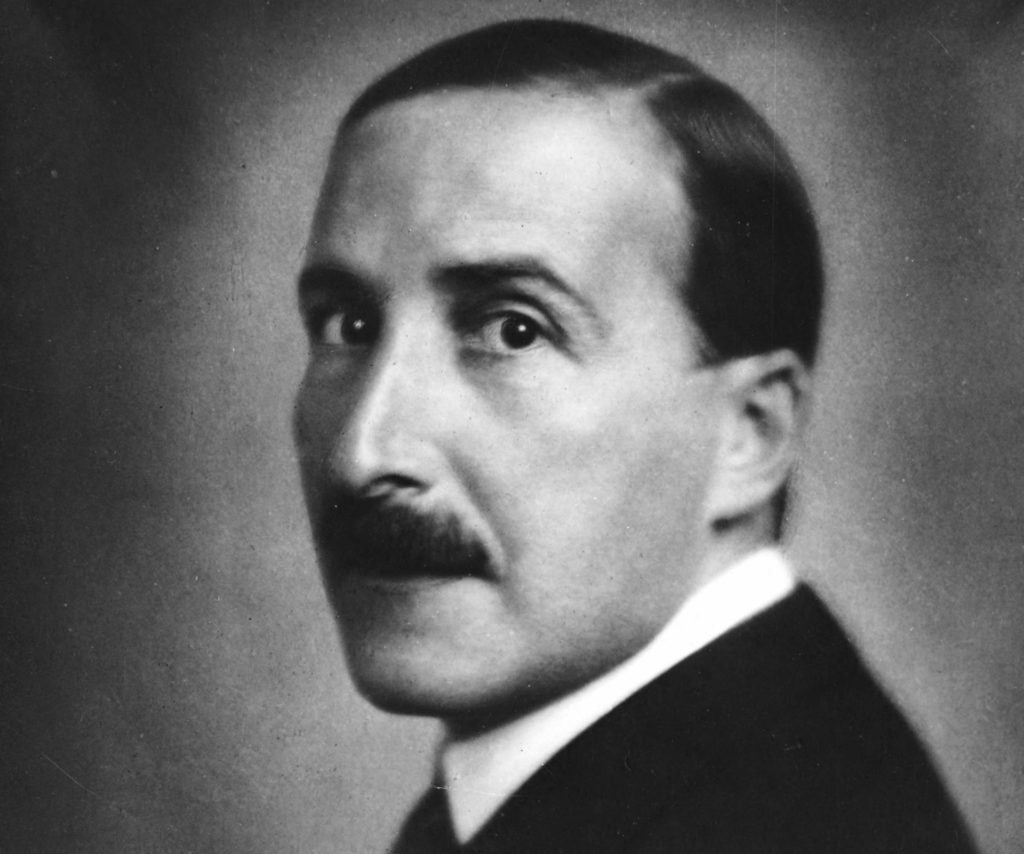
Horrified by the follies of the 20th century and a prisoner of his melancholic nature, Stefan Zweig was subject to intense inner struggles, which haunted his life and sublimated his work.
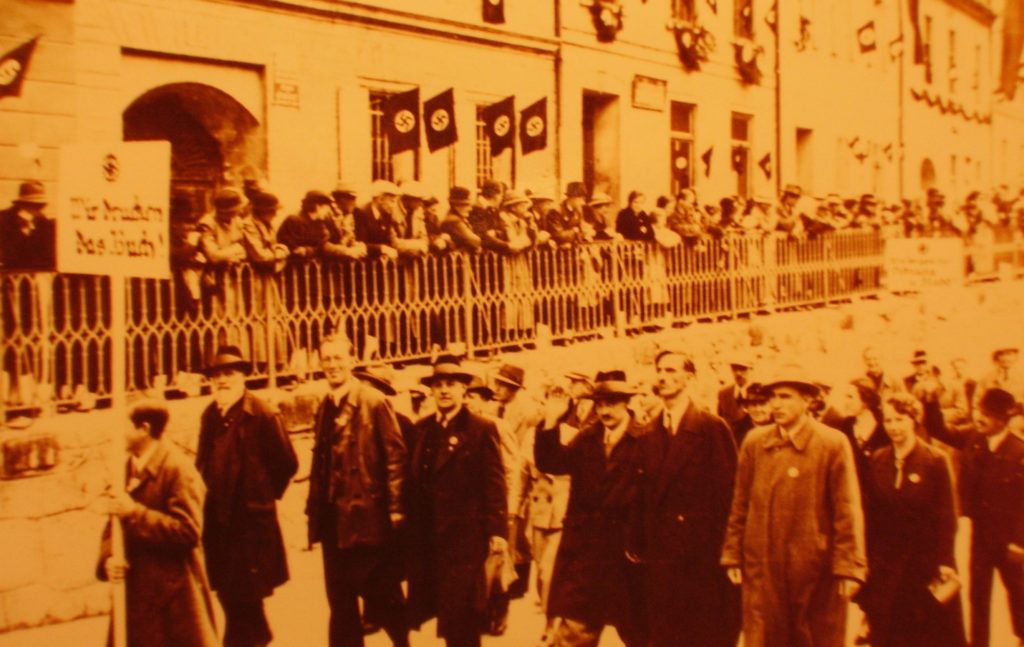
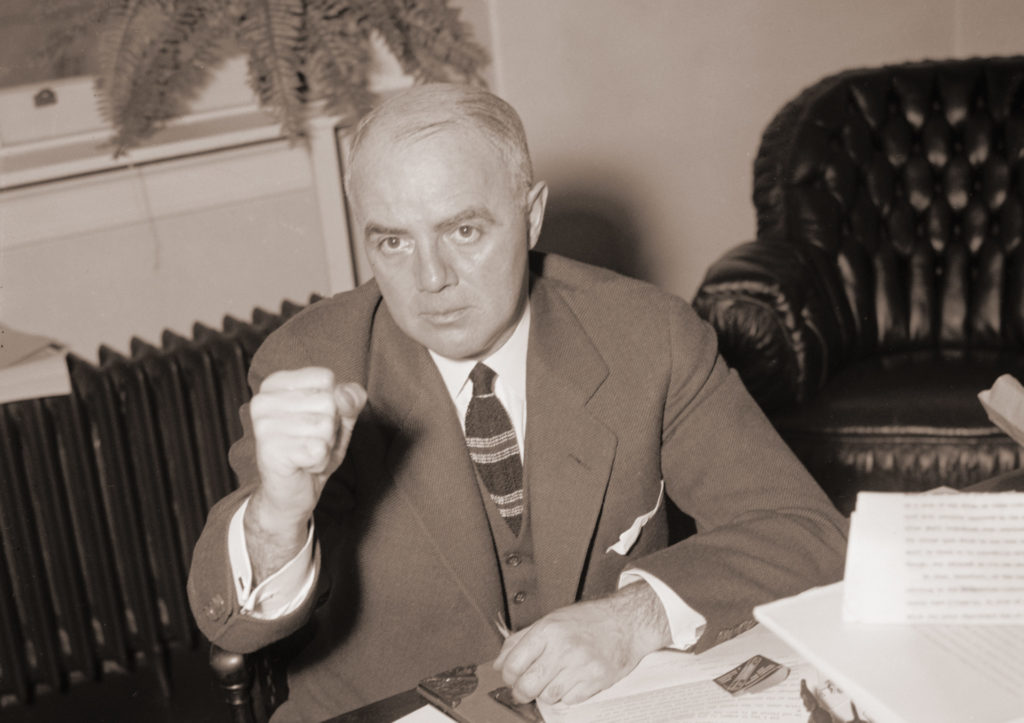
François Forestier unearths the blacklists of the United States and the Soviet Union during the Cold War. At the heart of his novel are politics and justice thugs, all in a style that doesn't take. But the idea was promising.
At the dawn of the 20th century, faced with the spectre of the return of war, Stefan Zweig threw all his energies into a losing battle: trying to restore Europe's sense of unity.
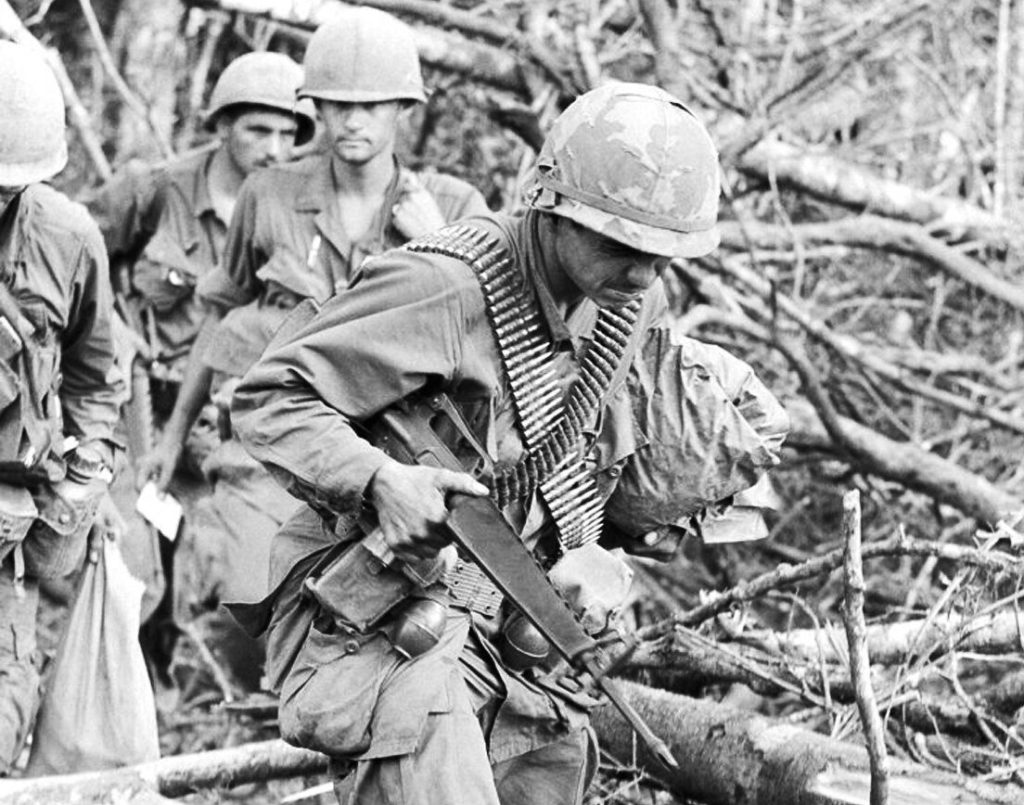
War has existed since the dawn of time, and is still accompanied by the use of psychoactive substances. Historical perspective, in the light of the American experience in Vietnam.






 French
  German
  English