Few people anticipated the outbreak of war in the Ukraine, partly because it has characteristics that evoke a war that should have happened forty years ago. The novel «Tempête rouge» (Red Storm), published in 1986, proved to be just such a visionary work.
Each month, we feature a column by one of the personalities who give us the pleasure of alternating between the two. Current affairs, history, politics and philosophy: former Federal Councillor Pascal Couchepin's readings.
Geneva-based author Michaël Perruchoud has chosen the war in Chechnya as the backdrop for his new novel. In this story, he explores the compromises people are willing to make in order to survive.
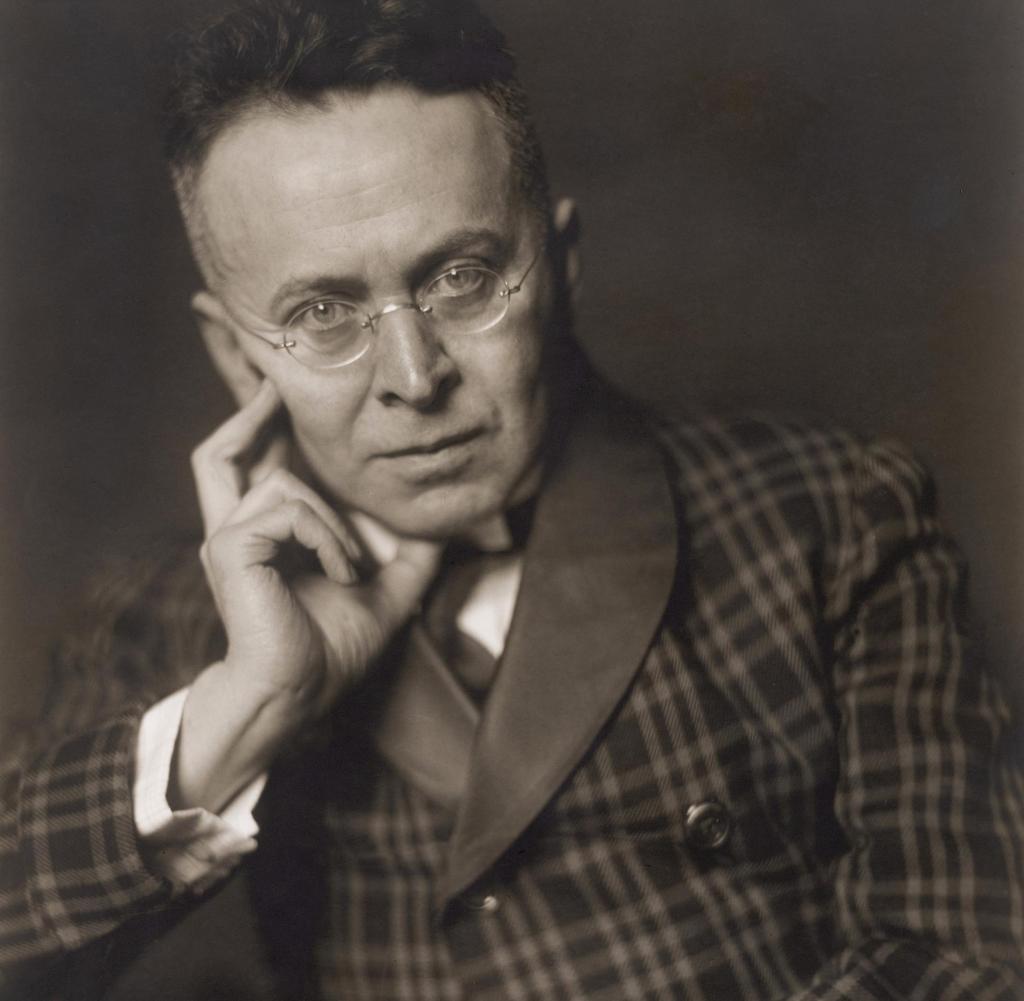
It wasn’t until 2005 that Karl Kraus’s two major works were translated into French. It is true that a number of scholars had made it their mission to confine him to the restricted circle of academic conferences, while at the same time not hesitating to criticize him, time and again, for his alleged anti-Semitism and his defense of Dollfuss, all in an effort to make him socially unacceptable, and thus unreadable.
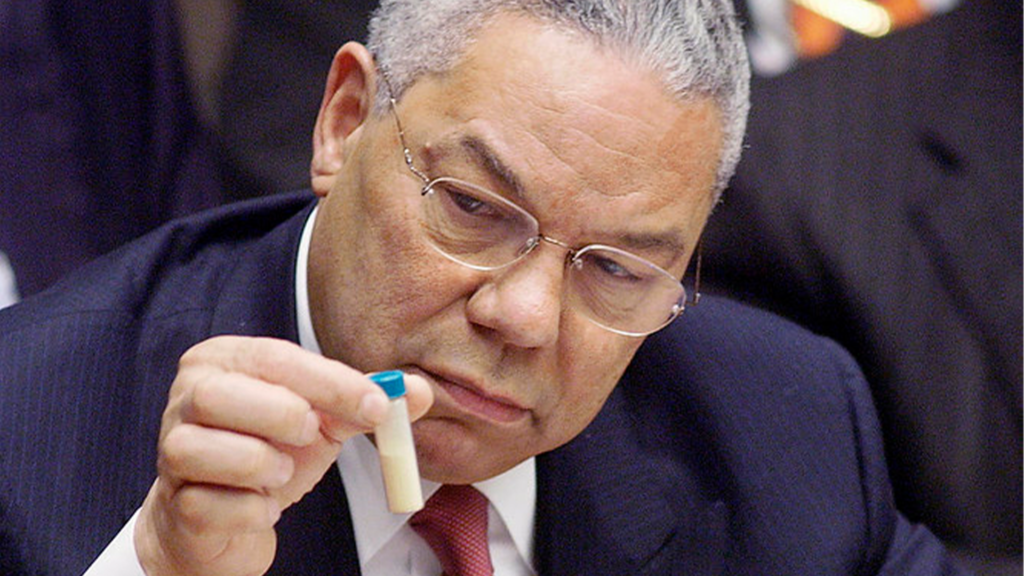
Rarely has a state lie had such dramatic consequences. In 2003, the Bush administration presented false evidence of Iraq's possession of weapons of mass destruction, before invading the country and getting bogged down in a bloody war.
In this post, Swiss writer André Durussel delves into Péguy's writings, which are furiously reminiscent of the present. This reading also leads him to other thoughts.
For almost a year now, Russian soldiers have been fighting in Ukraine in a war whose rationality escapes most of the world. On the Ukrainian side, the reasons for fighting are almost self-evident, a question of survival. In the Russian ranks, the question arises.
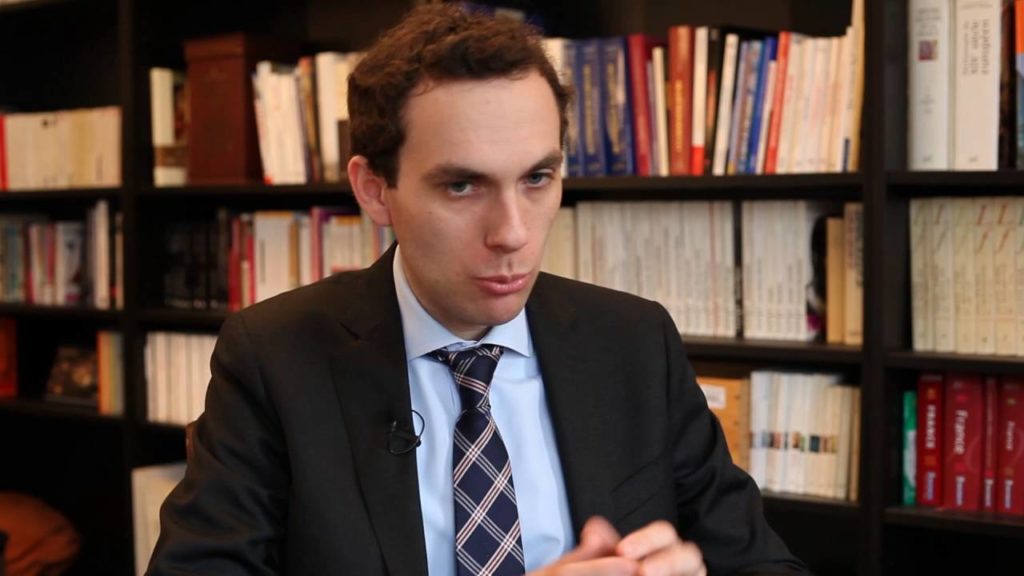
To mark the publication of his book Le déclin d'un monde, Jean-Baptiste Noé talks to us about the end of the West's dream of shaping the world in its own image. And he even dares to rejoice.
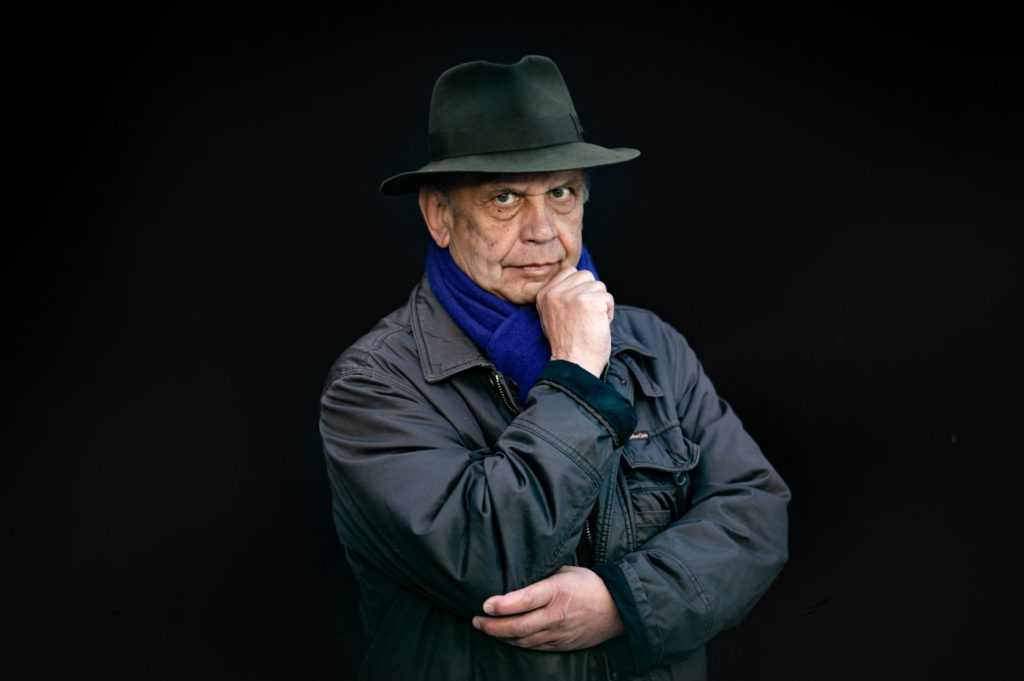
Russian-Ukrainian, former USSR diplomat under Brezhnev and Gorbachev, and author of an impressive literary work, Vladimir Fedorovsky gives Le Regard Libre his views on the conflict in Ukraine and its political and geopolitical consequences.








 French
 German
 English