For Kant, the German philosopher, lying is always an act to be banished, as it destroys trust within society and undermines the moral law in man. For Constant, the French philosopher, lying can be virtuous depending on the context. Crossed views.
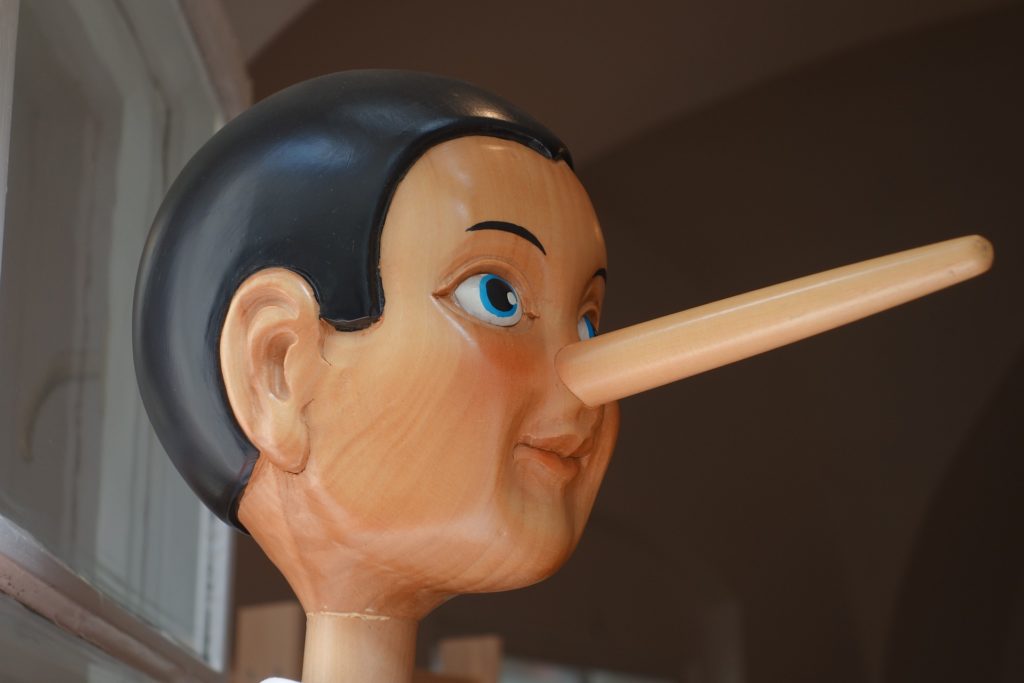
Among all the forms of lying that populate our daily lives - lies of omission, pious lies, self-interested lies, pathological lies - one singular category seems to hold the rope in these turbulent times: the shameless lie.
It may sound like a trite phrase, like «there's no such thing as hot without cold», but remembering that there's no such thing as a lie without the truth has the merit of bringing back to the table a fact that has become too old-fashioned in certain intellectual circles: truth exists.
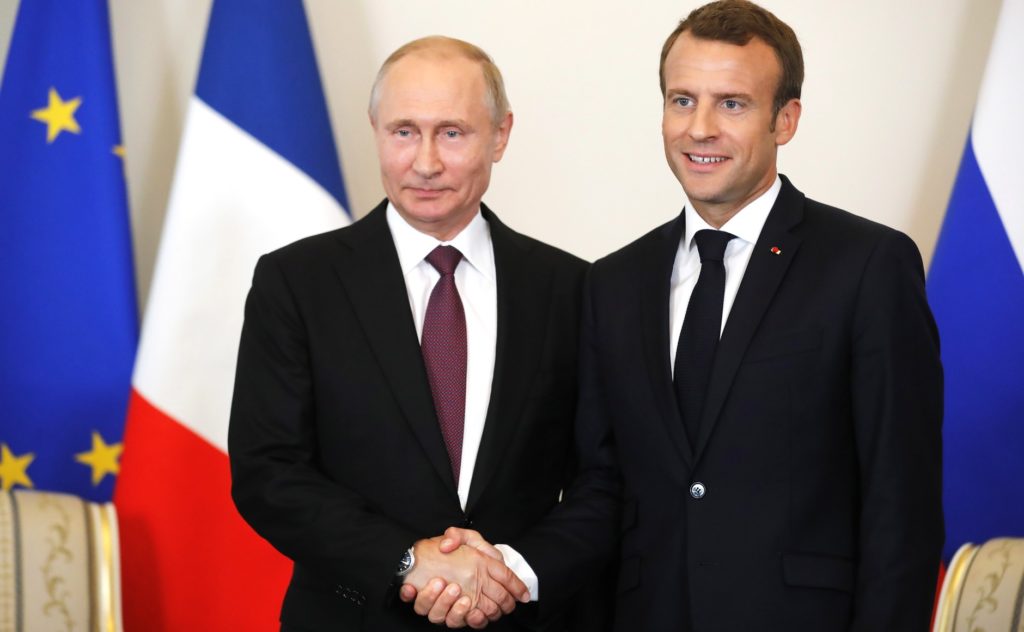
In June, Macron called for Russia not to be «humiliated», a phrase understood as a call not to humiliate Putin. A flurry of offended and sarcastic reactions flooded the web at the time. The roots of such vindictiveness lie in the concept of humiliation.
Society seems to be divided between those who follow their feelings to account for their identity, particularly their sexual identity, and those who believe in biology. Some jurists point out the abuses to which the law can lead when it is based on feeling.
Tales of the end of the world have been told throughout the ages, and still exist today. These dire predictions conceal...
What if Europe lay in the antagonism born of the Renaissance between the Christian and scientific worldviews? This opposition has always been present in different forms at different times. Today, it has taken on a new dimension: some argue that a materialistic reading of the world is now impossible, given current physical theories.
The frontier, increasingly decried in Western countries over the past sixty decades, is now making a comeback. Talk of a world without borders is no longer so appealing, for a number of reasons. Russia's invasion of Ukraine is a powerful demonstration of the absurdity of talking about independence without territory. What's more, it's clear that the idea of a united Europe in the face of the many challenges of our times (war, terrorism, immigration...) requires recognition of its external borders, which are extensions of the internal borders of the countries that make it up. Borders are the markers of a country's history: they define its contours, not only geographically, but also culturally. At least, that's the idea behind Régis Debray's Eloge des frontières.
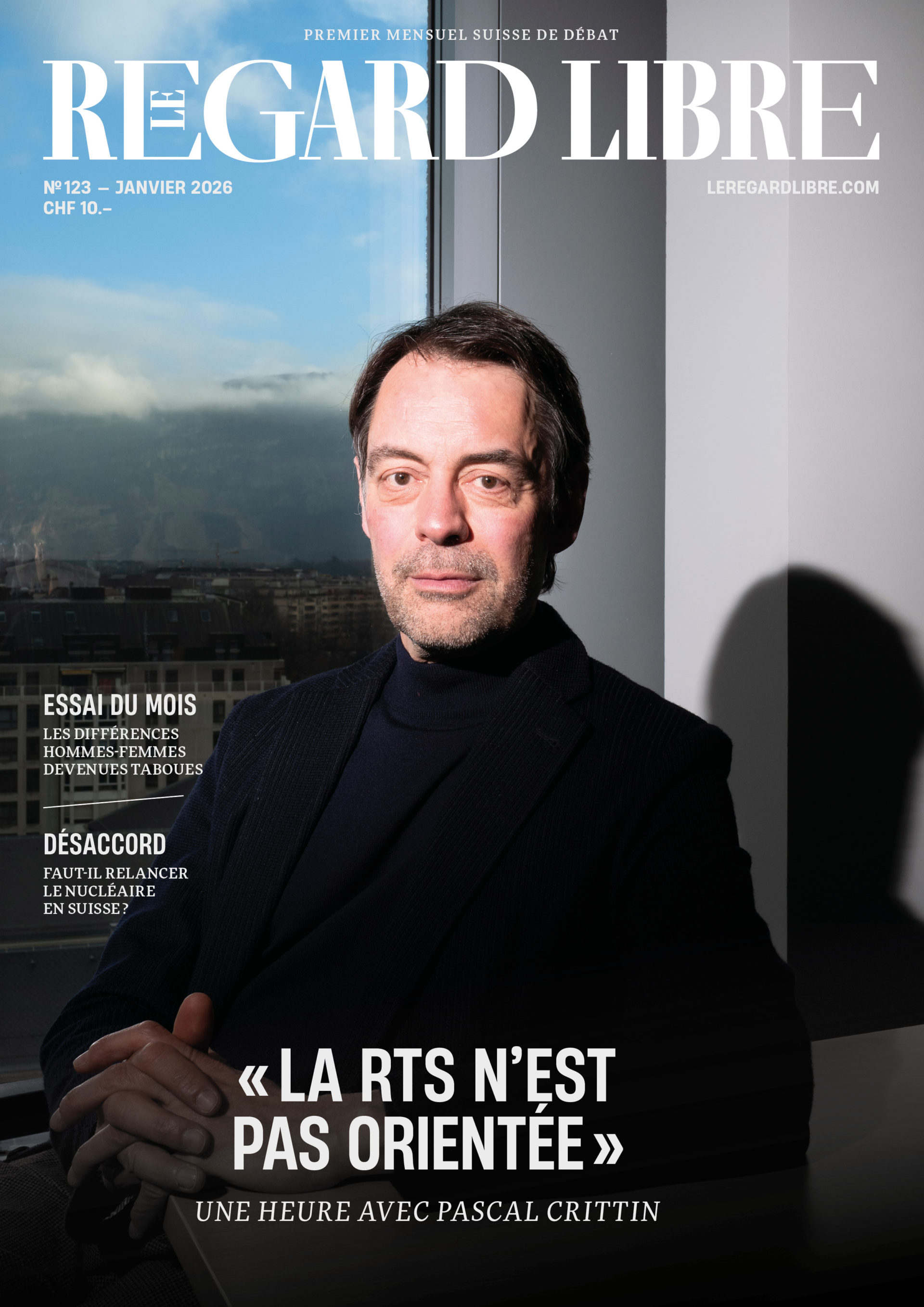
DOSSIER «LE GRAND RETOUR DU NUCLEAIRE», Jonas Follonier | Libéral classique? Libertarien? Il est en tout cas de ceux que la presse qualifie volontiers de «néo-libéraux» ou «ultra-libéraux» – des étiquettes pas forcément sympathiques. Mais les étiquettes et leur caractère sympathique (ou non) ne nous intéressent guère au Regard Libre. Voilà un analyste politique et économique qui compte, fréquemment invité dans les médias français (et pas seulement L’Opinion ou Le Figaro) et dont l’essai paru en 2021, Les écologistes contre la modernité, est passionnant. On pourra se trouver en désaccord profond avec une partie de ses opinions, voire leur totalité. Pour autant, une confrontation à sa hauteur de vue ne peut être que stimulante. De cet ouvrage offrant une critique en règle des fondements anti-capitalistes de l’écologie radicale, nous retiendrons notamment le plaidoyer enflammé et argumenté de l’auteur en faveur de la société industrielle et de l’énergie nucléaire.















 French
  German
  English