The fight against wokism will be part of the program of the Swiss People's Party (SVP) for the 2023-2027 legislative period. Despite the criticism, this could well be a very clever move for the conservative party in the run-up to the federal elections.
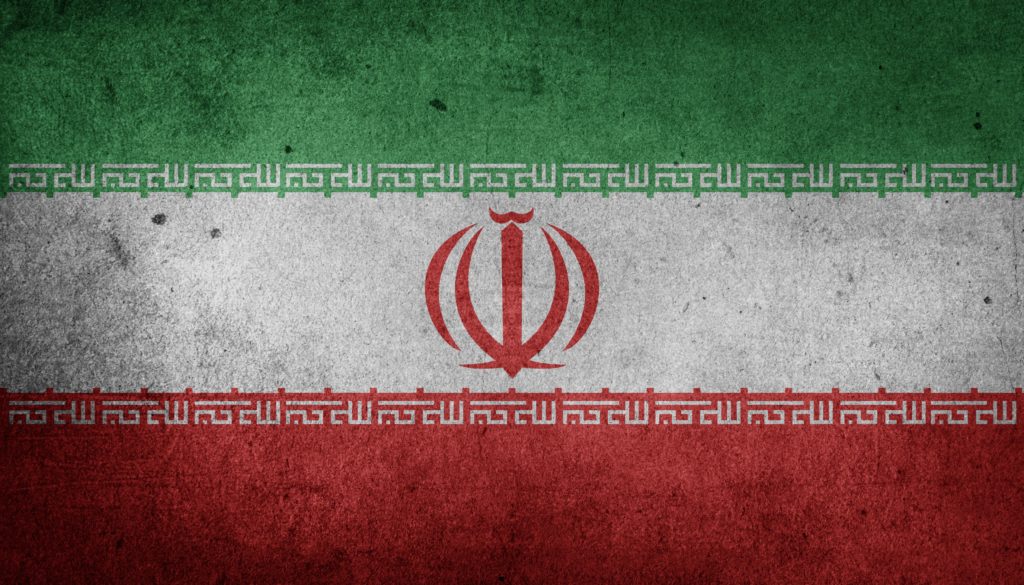
On November 22, Iran declared that it had reached an unprecedented level of uranium enrichment, an essential step towards obtaining the atomic bomb. The announcement may not have made the headlines, but it is not without repercussions for world geopolitics.
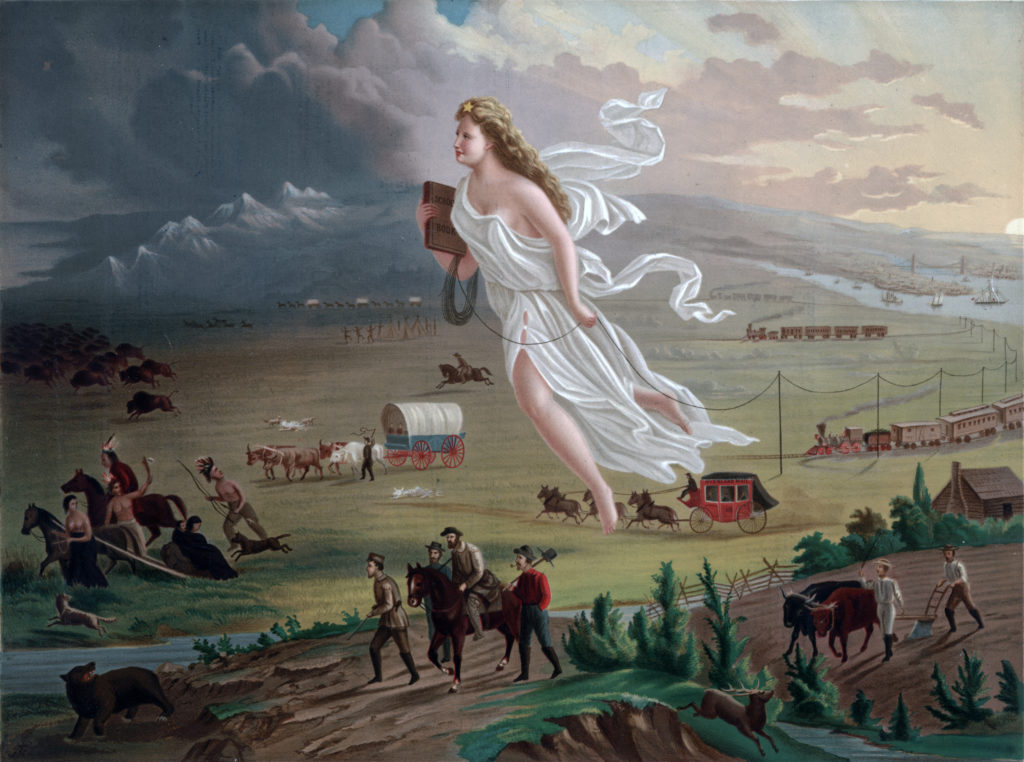
The Americans - and to a lesser extent their Western allies - are no strangers to the curious exercise of exporting democracy to non-democratic countries by force of arms. A practice with rather mixed results.
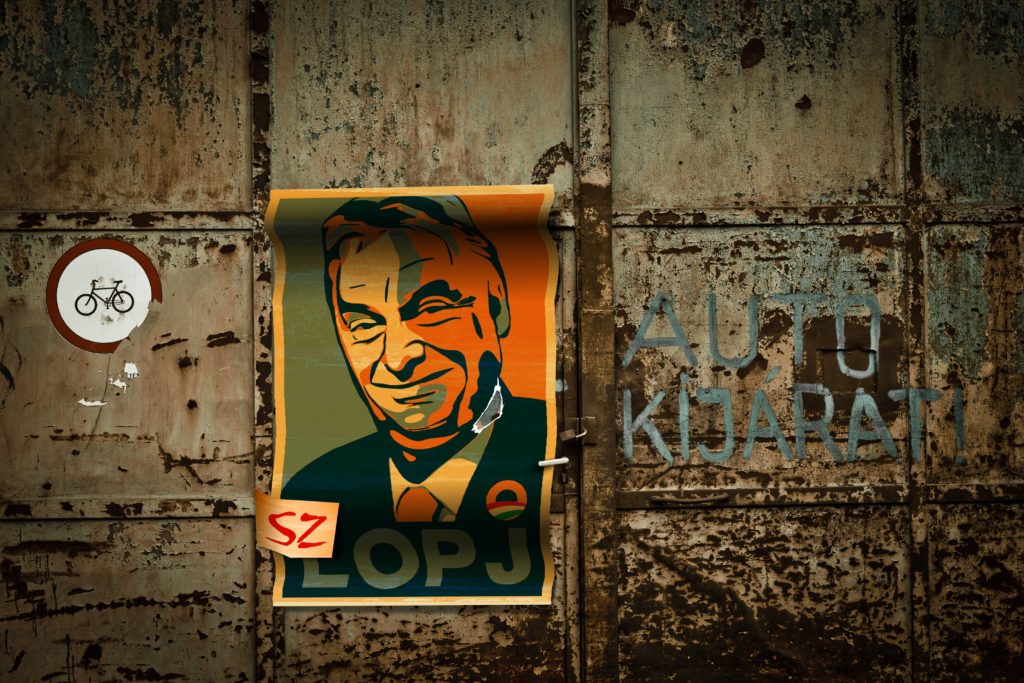
«Just because a state isn't liberal doesn't mean it can't be a democracy». In 2014, Hungarian Prime Minister Viktor Orbán, irritated at receiving lessons in democracy, assumed his «illiberalism». Is this just a publicity stunt?
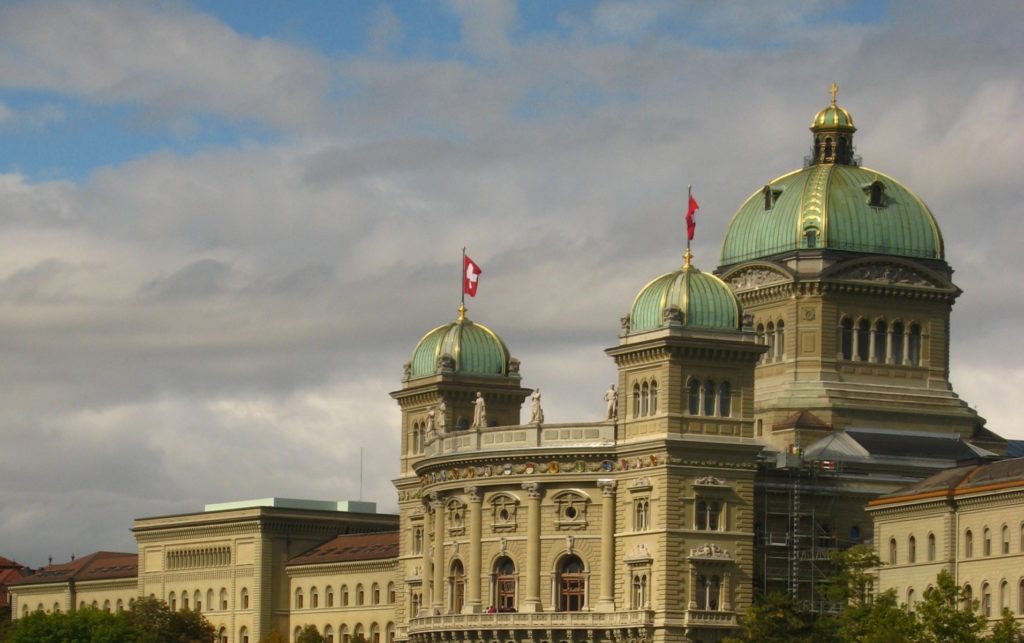
With the recent elections to the Federal Council, the question has returned to the forefront of the political scene: lobbies...
Ever since the wave that brought Donald Trump to power, particularly since his challenge to the 2016 election result, American democracy seems to be going from bad to worse. Far from content with this, conservatives are ready to go even further.
As we know, sports are far more political than their leading figures would have us believe. An act of diplomatic bad faith concerning the contentious Israel-Palestine issue went almost unnoticed in Doha… A journey into the heart of FIFA’s contradictions.
Each month, we feature a column by one of the personalities who give us the pleasure of alternating between the two. In his column, writer Quentin Mouron explores a topical issue with his usual sharpness.
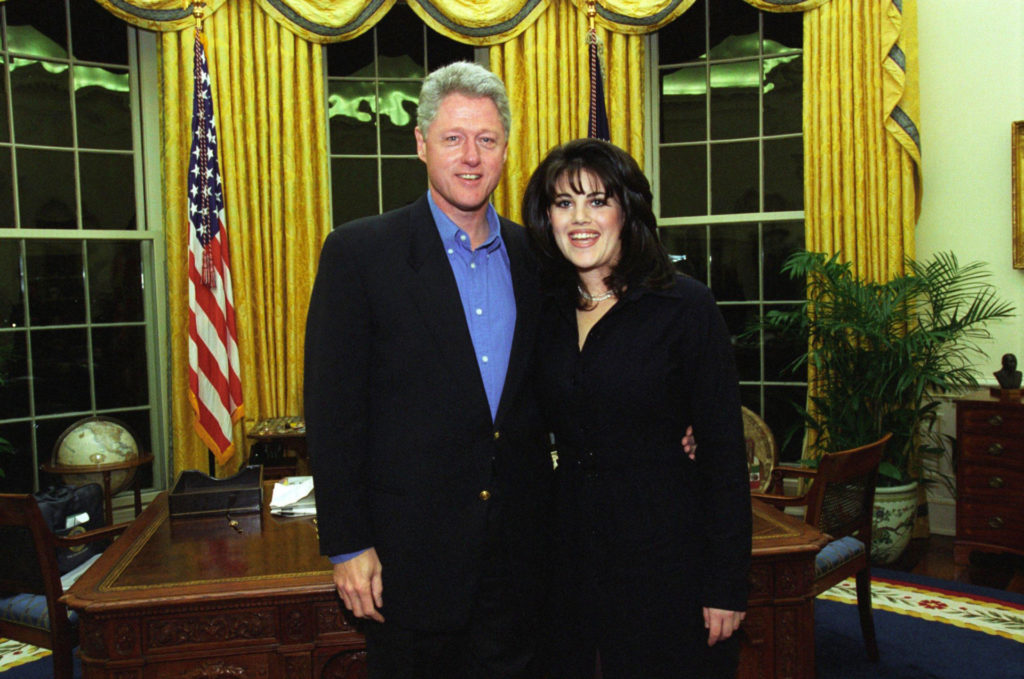
According to Kant, a lie undermines the foundations of the state, while a deceptive truth is acceptable. Two centuries later, with President Clinton, the same logic still seems to be at work in the Lewinsky affair.








 French
  German
  English