At a time of geopolitical turbulence, interventionism may be desirable, provided that political power is capable of reversing course afterwards. However, nothing is less certain for a country like France, which is already over-indebted.
In this brand-new column, journalist Marianne Grosjean sends a monthly message to our readers.
Born in Turkey, this expression spread to the United States and the rest of the world in just a few years. Frequently used by conspiracy theorists, it has now spread beyond these circles to other uses. How can we explain such an echo?
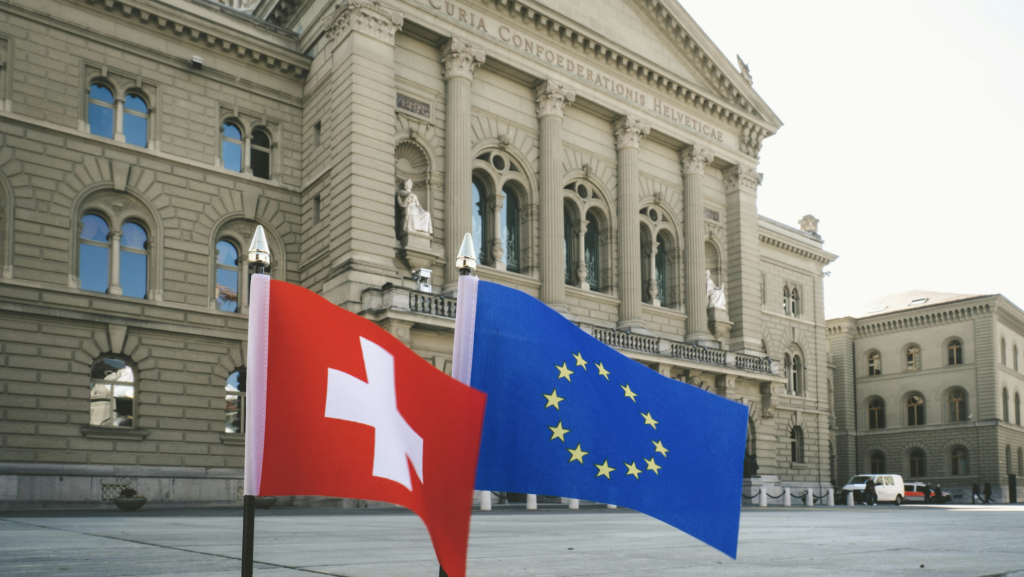
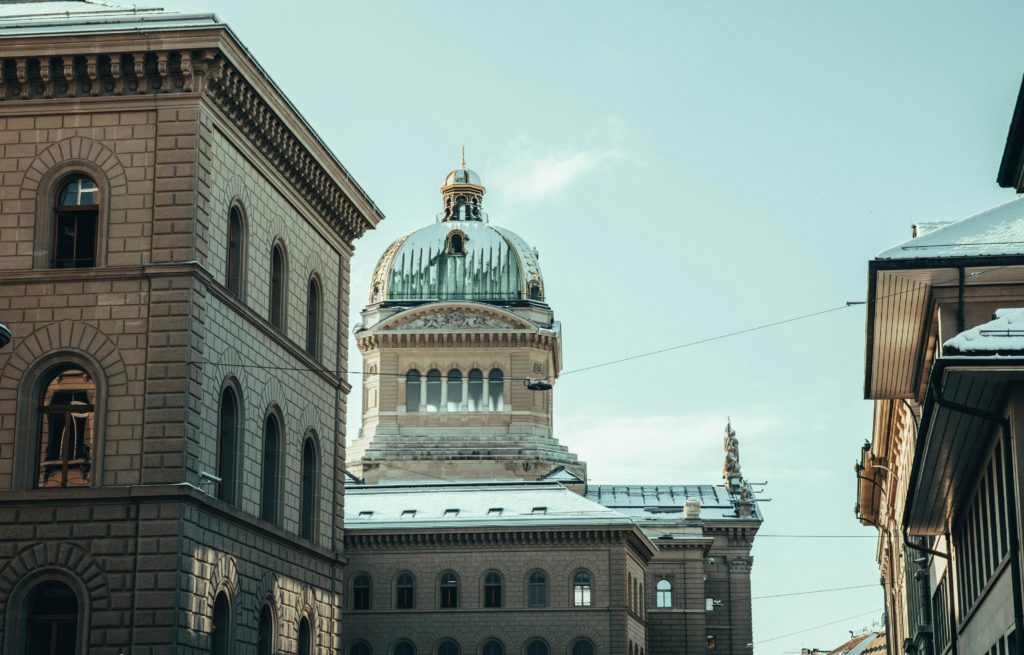
At a time when the European Union is going through a period of doubt, its long-stalled relations with Switzerland are the subject of debate, with the announcement in December of the conclusion of negotiations. Interview with René Schwok, an expert on European issues.
Drawing on Vaclav Smil, Pascal Couchepin advocates an approach to ecological challenges based on facts rather than rhetoric. Every month, the former Federal Councillor shares a piece of reading that has caught his attention.
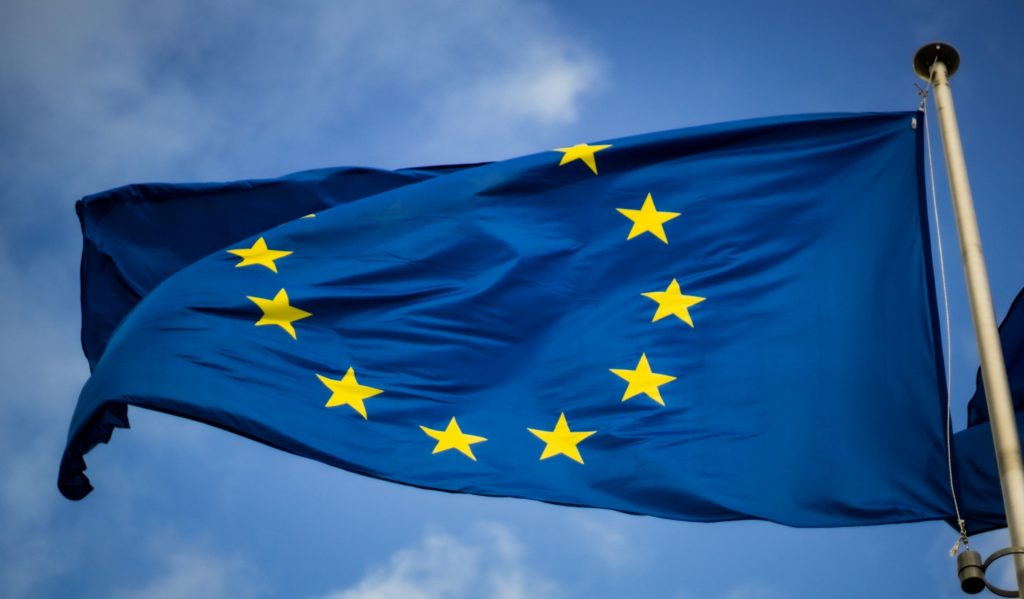
The European Union is the scene of a major political confrontation between sovereigntists and advocates of a form of international governance. A situation which raises the central and delicate question of sovereignty in the age of globalization.
The victories of Trump and Milei place the European right at an ideological crossroads. Precisely in order to avoid falling behind, especially economically, the Old Continent urgently needs to draw on its own intellectual heritage.
Accused since Rousseau of sullying the mechanisms of genuine democracy, pressure groups are nonetheless an essential cog in the wheel. Seated among the «intermediary bodies» dear to Tocqueville, they enable opinions to be forged.
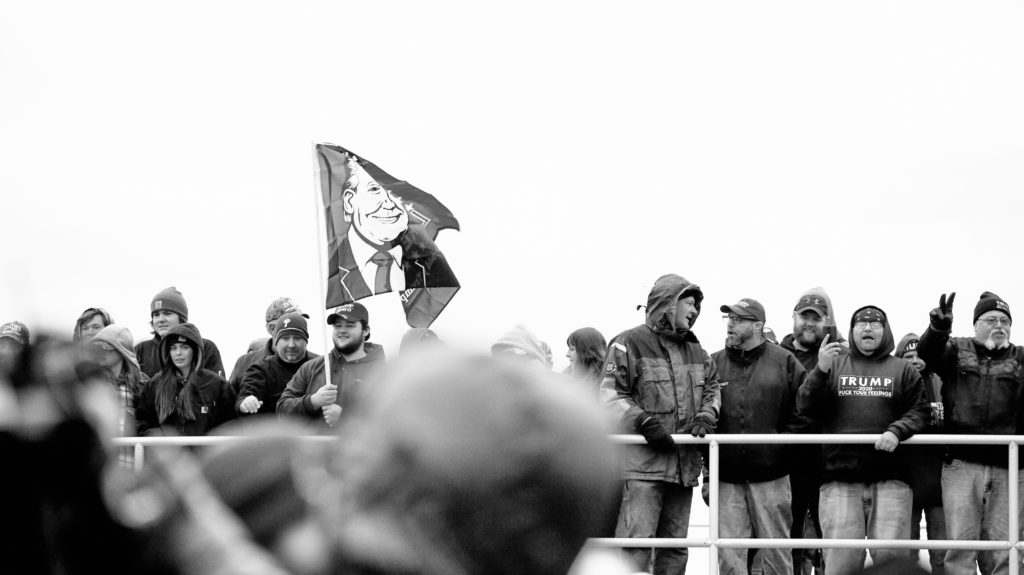
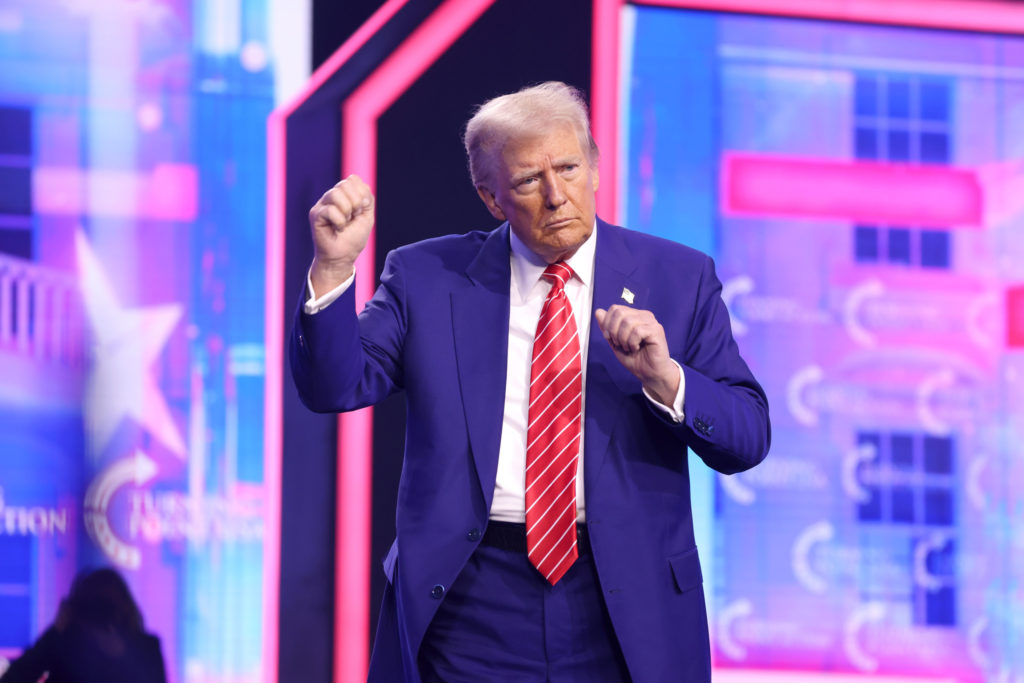
THE AMERICAN DREAM IN THE AFTERMATH OF THE PRESIDENTIAL ELECTION (4/4). Increasing polarization, defeat of the polls and the Democrats... This series of articles aims to present some lessons to be learned from Donald Trump's new election as head of the United States.









 French
  German
  English