There's hardly a European country where polarization is as strong as in Switzerland - and it's consolidated around group identities. This is not necessarily a bad thing for democracy. And here's why.
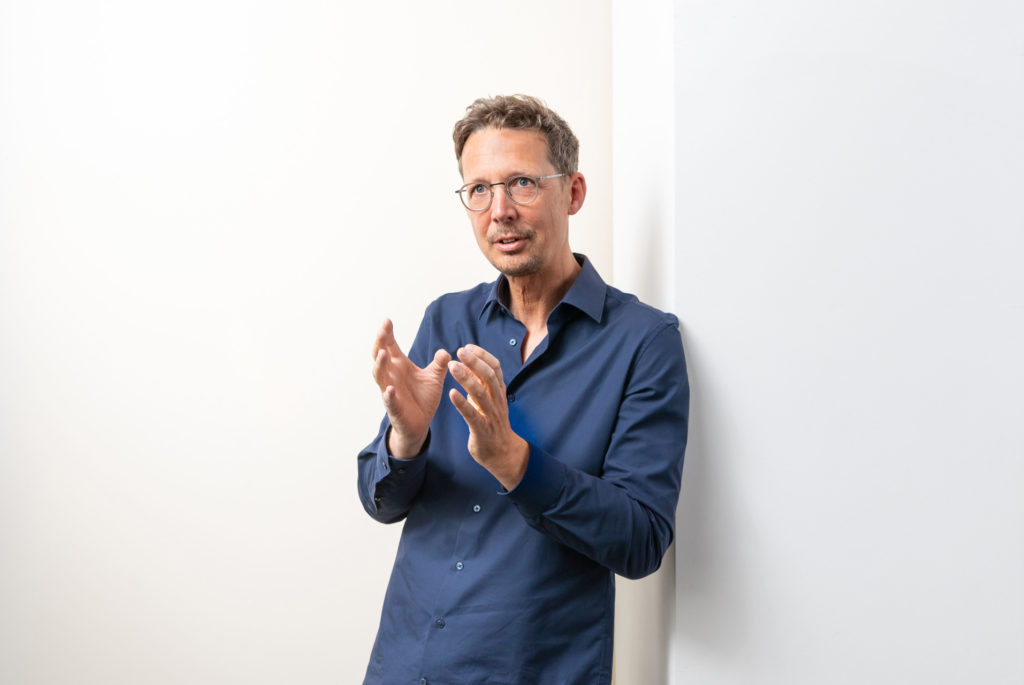
Militia system, productivity, neutrality... In his essay «La Suisse n'existe plus» (Switzerland no longer exists), Nicolas Jutzet, project manager at the Institut libéral, shows that the idea we have of this democratic and economic model no longer really reflects reality.
The victory of the country's leading party over the Greens on Sunday went according to plan. But it's not enough for some commentators to acknowledge that immigration and wokism are causing criticism among the population.
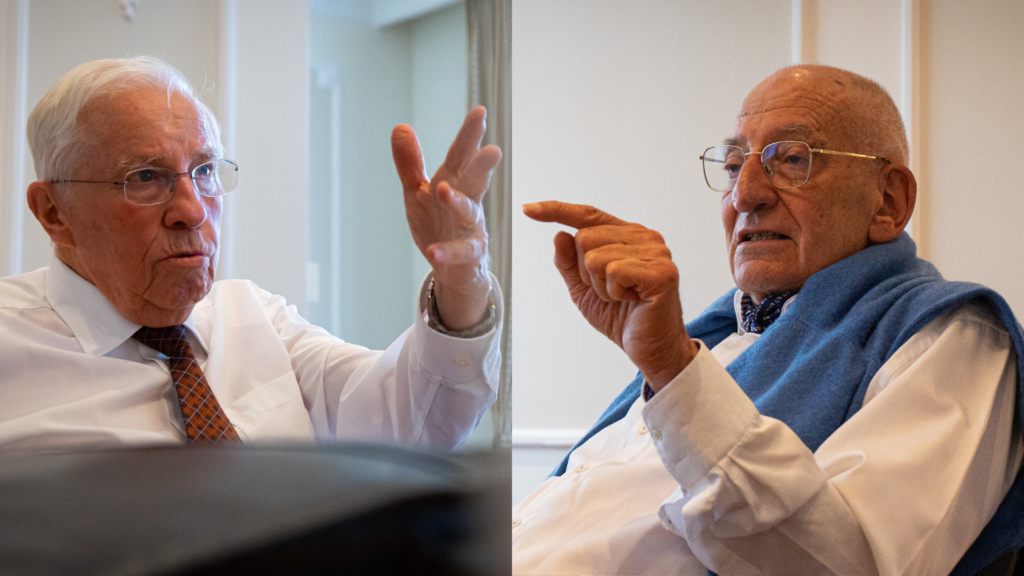
Immigration, Europe, the economy, the media... Former federal councillors Christoph Blocher and Pascal Couchepin met in Bern at the invitation of Regard Libre to share their views on Switzerland's current situation and the challenges it faces.
The Socialist National Councillor and President of the Swiss Union of Trade Unions (USS) paints an uncompromising portrait of the country's current situation and its recent past: institutions, the social question, the state of the left... everything is covered.
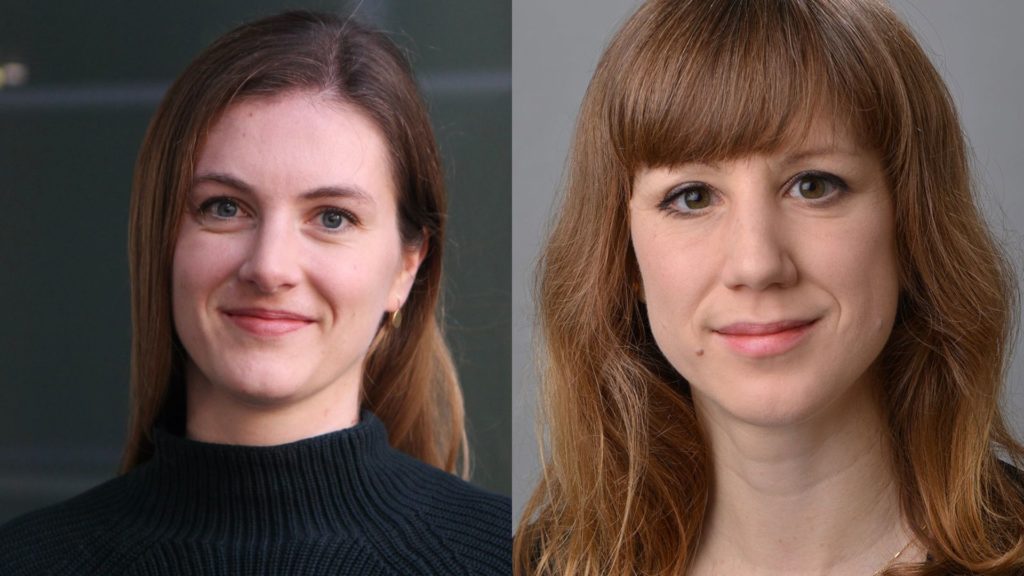
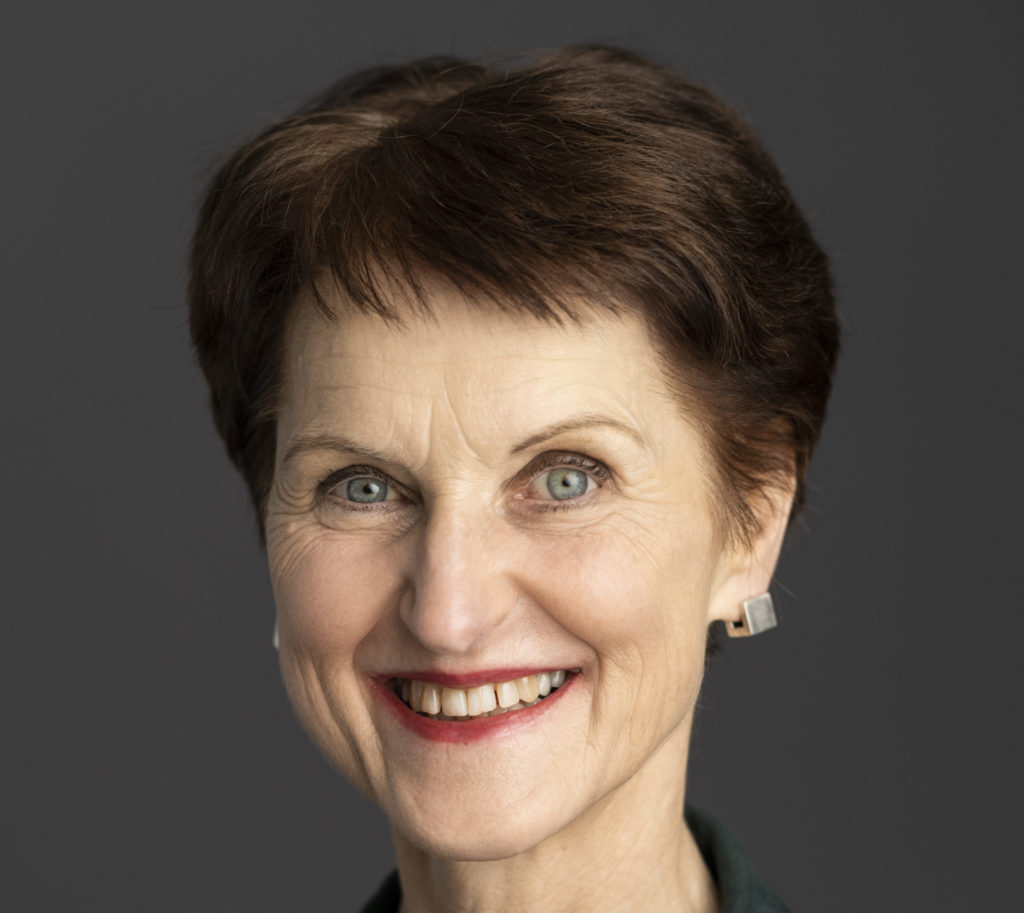
Green mayor Franziska Teuscher has been fighting for the legalization of cannabis in the Swiss capital since 2016. The pilot project she supports has long been delayed for lack of a legal basis. But things have taken a new turn in recent months.
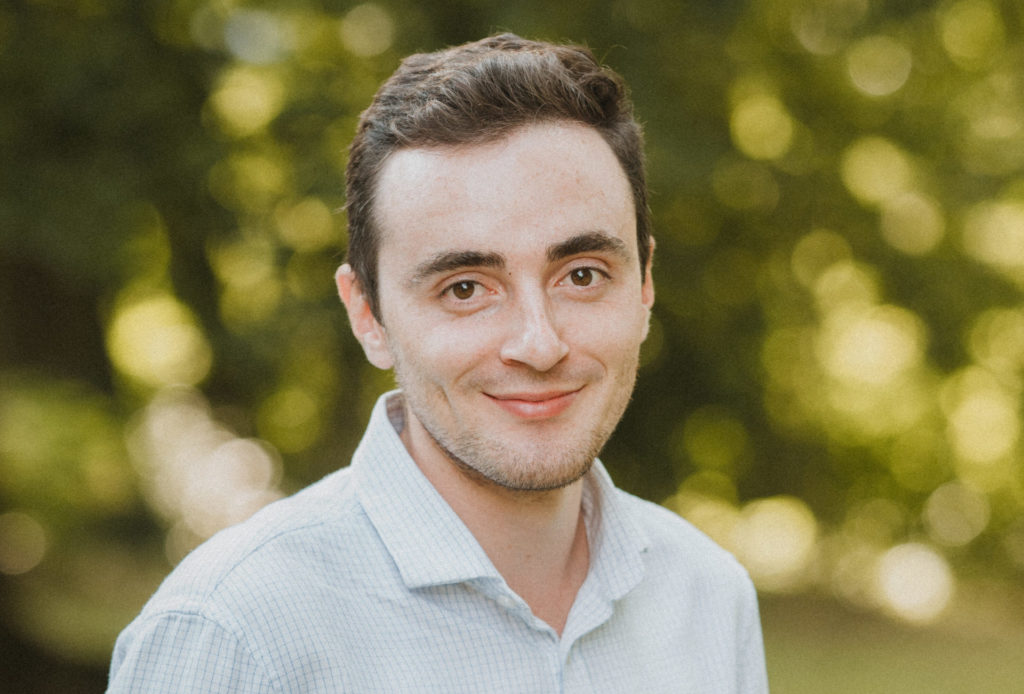
In the end, Switzerland will spend another two years considering how to regulate cannabis. Maxime Mellina, head of training at the Groupement romand d'étude des addictions, compares foreign experiences with the Swiss paradigm.
Saïda Keller-Messahli is one of the leading figures in the fight against political Islam in Switzerland and Europe in general. The Zurich-born woman of Tunisian origin has decided to run for the National Council on an independent ticket. She tells us more.
The «Fair lesen» event in German-speaking Switzerland highlights the role of women in the literary world. The symposium, which receives substantial public funding, calls for the introduction of quotas.






 French
  German
  English