The history of Swiss political parties is rich and complex. However, it reveals a certain continuity through which they learn to renew themselves as direct democracy, and the evolution of society it often reflects, impose new themes on their agendas.
Un «racisme systémique» sévirait en Suisse. C’est du moins l’avis de la Confédération, qui a publié un rapport sur le sujet. Selon Olivier Delacrétaz, rédacteur à «La Nation», les effets de ce postulat, qui ne repose sur aucune preuve, pourraient être contre-productifs.
Inherited from the era of great power struggles in the 19th century, neutrality helped Switzerland through the wars of the following century. Since then, however, the country has failed to establish a new doctrinaire basis for its foreign policy.
In Switzerland, there is a growing tendency to relativize neutrality by using vague adjectives and linking it to defense alliances. This is a sign of inconsistency and a lack of historical awareness.
On February 28, 2022, Switzerland surprised everyone by deciding to apply the European sanctions against Russia. This de facto renunciation of a certain neutrality led to a crisis in political discourse, particularly at the highest level. Analysis.
Neutrality has never been subject to a corseted definition. Its entire history demonstrates this. It depends on the goodwill of the other powers, and only makes sense if it is understood in the context of the moment.
Professeure d’histoire à l’université de Genève, Irène Hermann est spécialiste de la neutralité suisse. Si cette dernière est particulièrement scrutée aujourd’hui, elle n’a jamais été univoque pour l’historienne, qui la démythifie au regard du passé. Entretien.
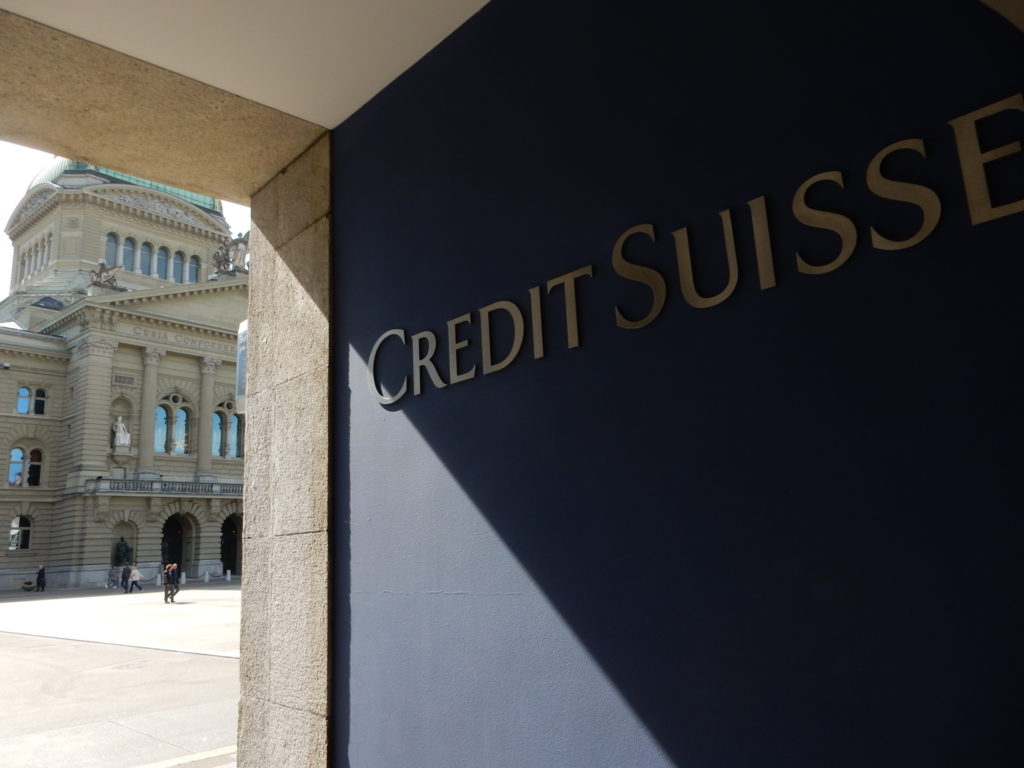
After two days of extraordinary session, Parliament has issued a symbolic rejection of the Federal Council's rescue plan for Crédit Suisse. This decision has no direct impact, but it does reveal certain issues, as pointed out by the press on Thursday.
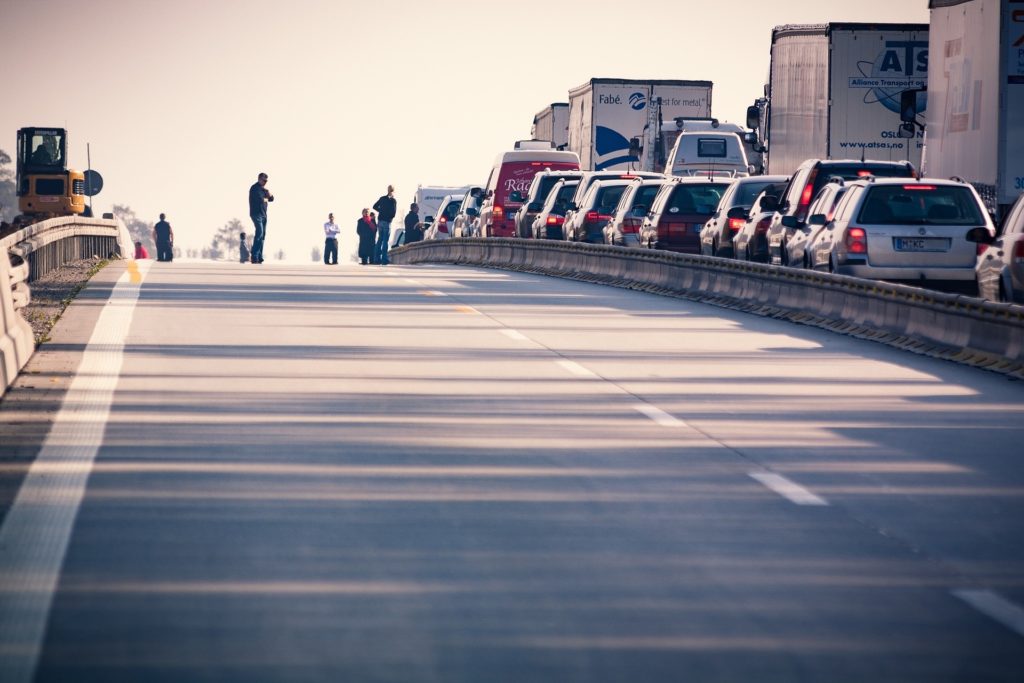
Six environmental activists blocked the freeway in the canton of Uri on Good Friday. Altercations, traffic jams and police intervention - this is «non-violent» mobilization, when so many legal and effective tools exist, particularly in Switzerland.








 French
  German
  English