HUMOR BRIEFING, Antoine Bernhard | As early as 2016, the entire press - or almost all of it - made Trump its new scapegoat. It was declared over and over that he had «stolen» the American election, that he was illegitimate and that the United States was entering the darkest period of its history because of him. Four years on, the situation has hardly changed: anti-Trumpism is the only politically correct opinion. Any questioning of the majority discourse is scorned, immediately associated with the far right or conspiracy. It's time to give up this easy way of thinking.
ARTICLE LONG FORMAT, Clément Guntern | At the start of this new century, a new order is gradually taking hold: authoritarianism around the world is gaining in power, and the states claiming to be authoritarian are asserting themselves with increasing brutality. Russia and China are raising their voices and threatening reprisals against anyone who dares to criticize the state of democratic principles and human rights on their territory. While escalation with Russia remains measured, China is agitating, vituperating and sanctioning. For the time being, it is mainly on their own territories that these states are committing more and more crimes, but for powers with global ambitions, it is to be feared that this is an exportable model of governance. Democratic principles are now under direct threat. As a result, democratic states have a duty to respond firmly to authoritarian forces, while leaving the door open to collaboration.
Building the future on facts
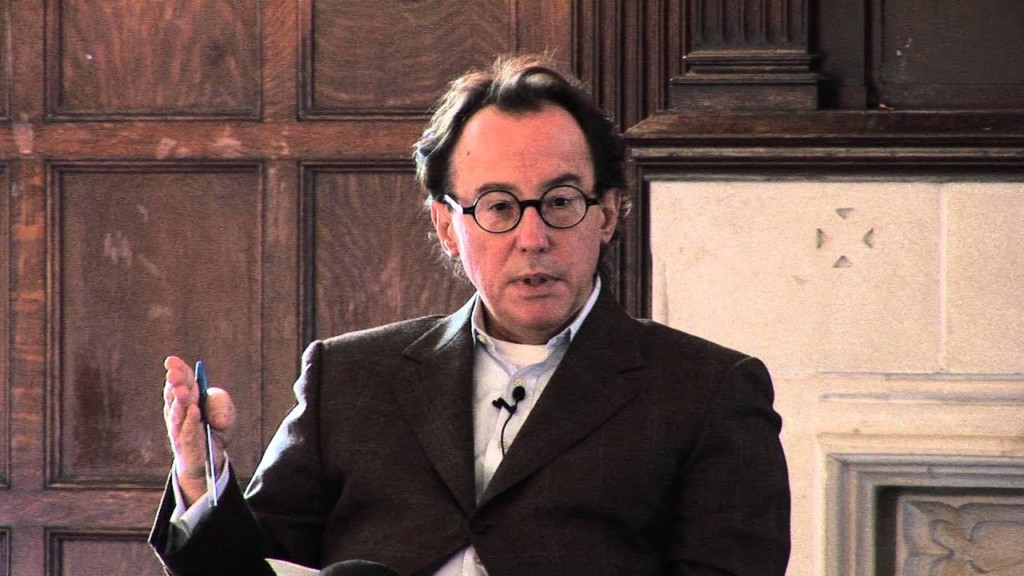
LONG FORMAT ARTICLE, Antoine Bernhard | To understand the ideology currently reigning in some universities, it's worth looking at the recent history of the United States, where this ideology was born. In 2017, the enigmatic Donald Trump was sworn in for four years as head of the world's leading power. Today, it's time to take stock. While all the media agree in decrying Trump's disastrous policies, few analyze the context that has enabled the triumph of a new American populism. Thirty years during which the left has retreated into an increasingly individualistic and anti-republican ideal, disregarding the need for a real political vision. This is what left-wing intellectual and Columbia University professor Mark Lilla analyzed in his 2018 book «The Identity Left».
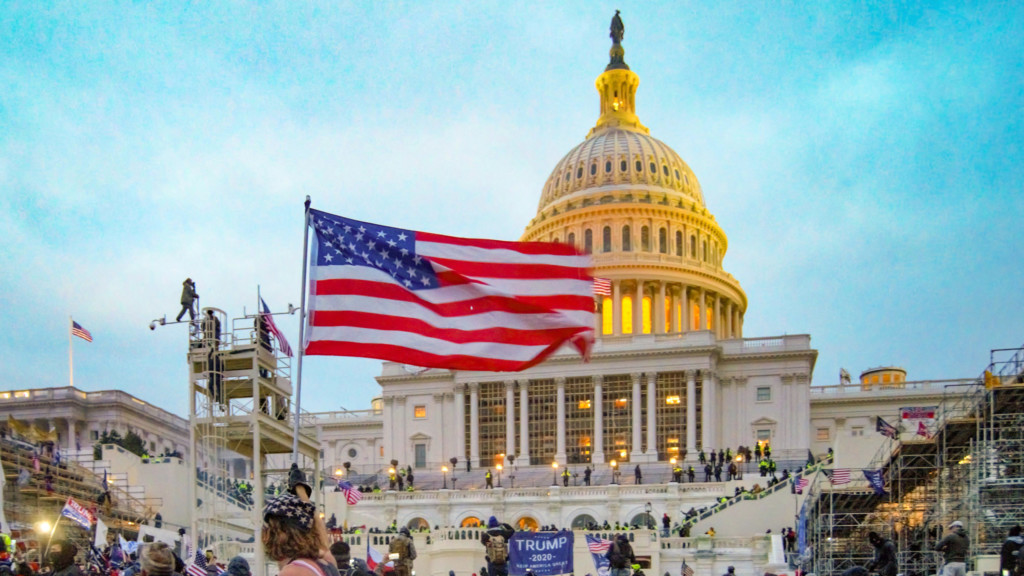
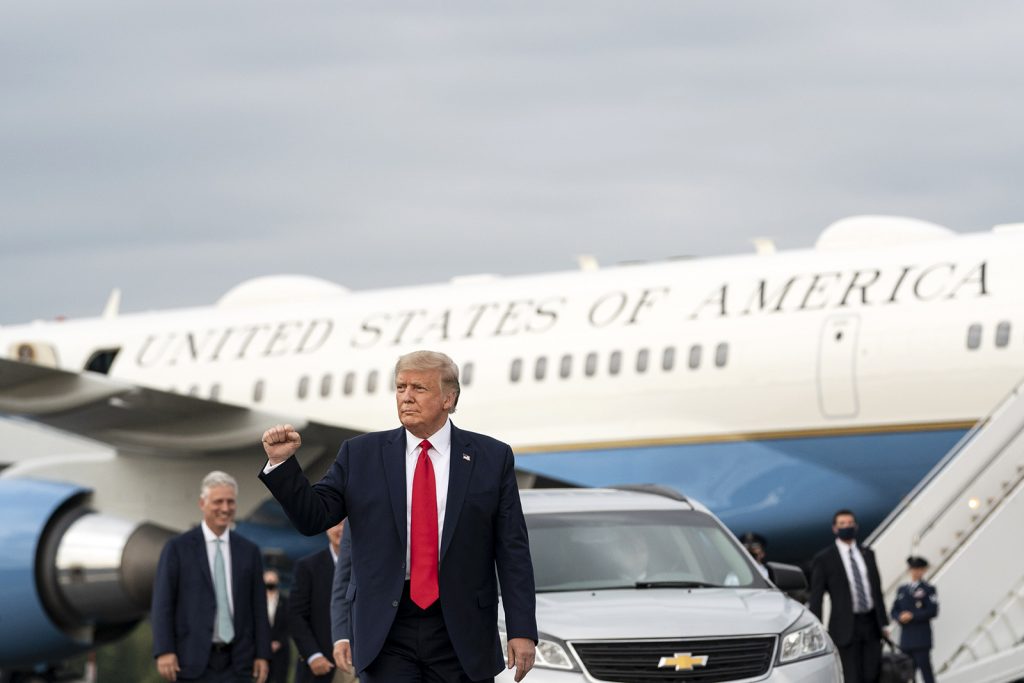
LONG FORMAT ARTICLE, Clément Guntern | Now that Donald Trump's term in office is coming to an end, the question arises: what will he leave as a legacy to his country's history? His personality and political actions may have shocked or impressed, but he is nonetheless perpetuating a trend that has long been present: the national disunity and international decline of the United States.
The year 2020, in addition to having seen a pandemic of immeasurable impact, has marked the return, or rather the rebirth, of a notion that was once thought to be obsolete, unsuitable and even dangerous: that of sovereignty. In the space of a few months, the issue has once again become central. But an anachronistic vocabulary tends to overshadow what is really at stake: not the withdrawal of nations into themselves, but the pursuit of balanced regulation of globalization.
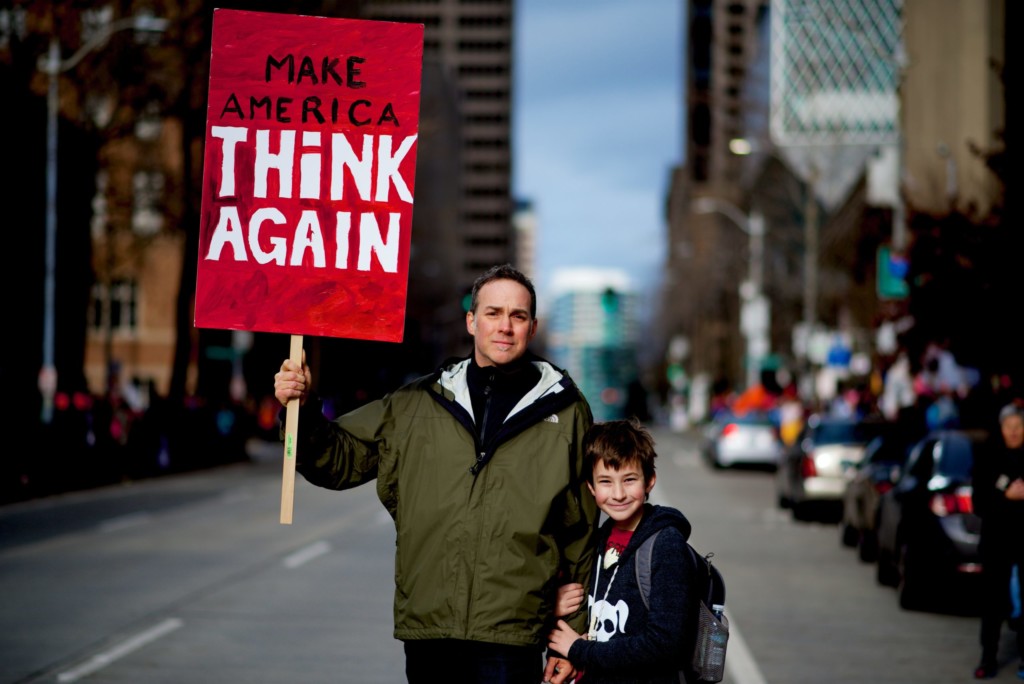
The country that has been called the first of democracies, the one whose merits and vigor have been praised for so long, now seems to be out of breath. The chaotic «debate» between Joe Biden and Donald Trump bears witness to this. The roots of the problem run so deep that it would be unfair to attribute the current situation to any particular president. It is up to American society as a whole to deal with the evil that is eating away at it: rampant polarization.
More communitarian, you die!
Whether or not Donald Trump emerges victorious from the November elections, the Republican Party, to which he has attached himself, will find itself reshaped by his presidency. With the coronavirus crisis and polls undermining the Trump candidacy, Republicans are already squabbling over the future of the Grand Old Party. Ideological refocusing looks set to be difficult.








 French
  German
  English