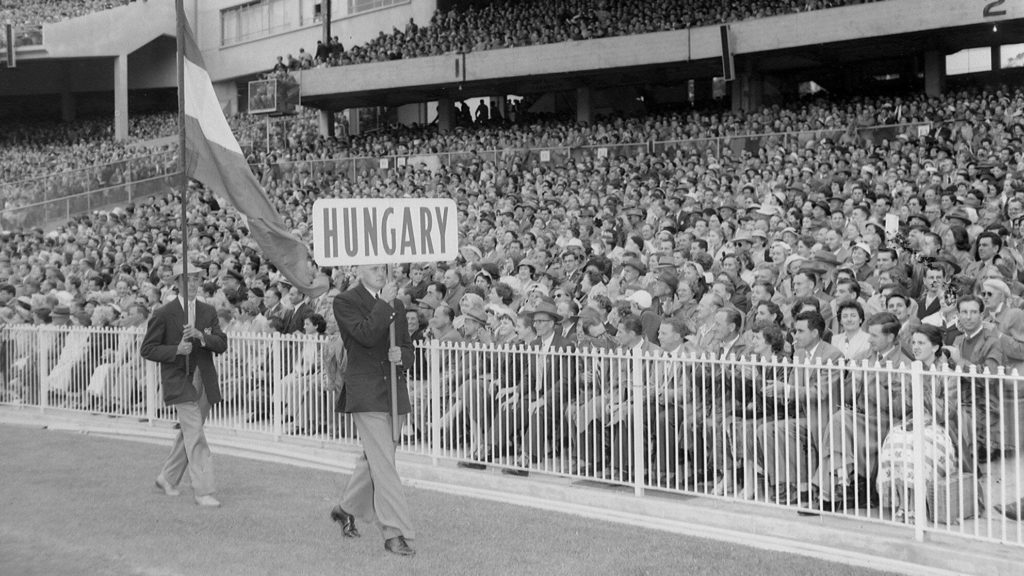
LONG-FORM ARTICLE, Yves Di Cristino | Between China in February and Qatar in November, the world of sports has likely never faced so many tentative attempts to boycott major events in more than six decades. The United States did indeed boycott the 1980 Olympic Games in Moscow at the height of the Cold War, but few recall the year 1956, which was so unique in every respect. And this concerns us as well, as Swiss citizens, because the Swiss Confederation—along with seven other nations—proudly decided to boycott the Melbourne Olympics. As for the reasons, they run the gamut.
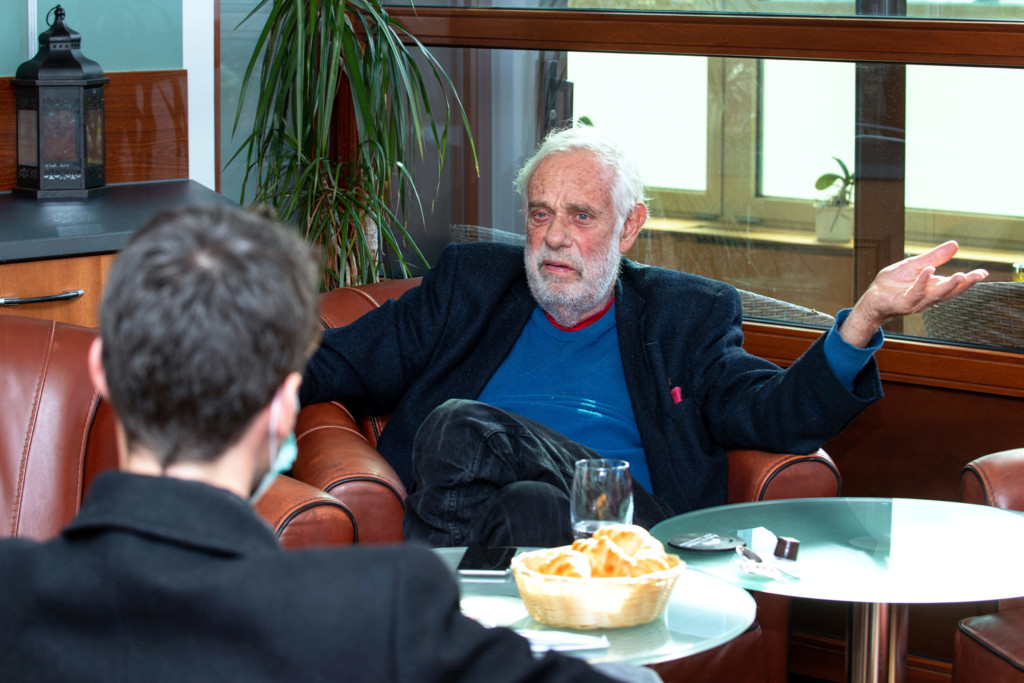
Jean-Luc Bideau, cinema... and soccer
The sporting world reacted boldly and energetically to the death of George Floyd in Minneapolis on May 25. Six-time Formula 1 world champion Lewis Hamilton has now made it standard practice to set up an anti-racism podium before every Grand Prix this season. On a black-tinted podium, he knelt on the ground and raised his fist to the sky in recognition of the Black Lives Matter movement. For their part, American professional basketball players have long been accustomed to the practice on NBA floors, and awareness of the fight against all forms of discrimination is gaining ground. But are there any risks in dramatizing this lifelong struggle? Flashback to the Olympic Games of 1936 and 1968.
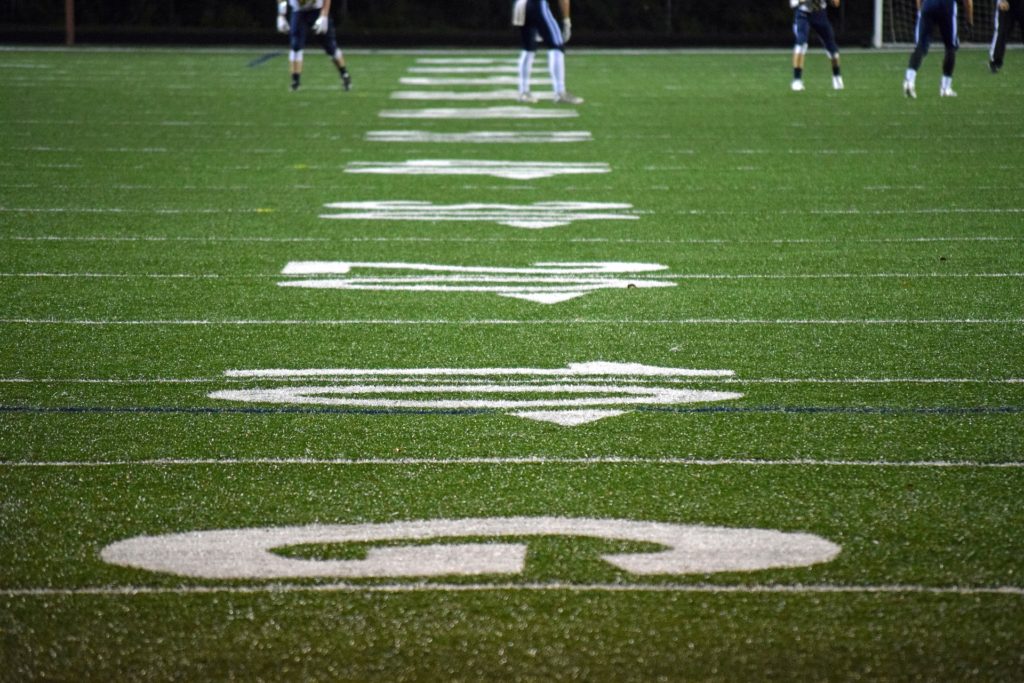
News Mondays - Nicolas Jutzet «Super Bowl». You've probably heard the term before, but never really understood it...
Mondays in the news - Nicolas Jutzet Football fans are looking forward to the festive season...
Mediapart's revelations on the world of soccer («Football Leaks») reveal some indecent, but not surprising, facts. Comment
Le Regard Libre N° 41 - Alexandre Wälti What to do next weekend? You've probably heard the question before. Sometimes, a...
Once again this year, the soccer World Cup has probably kept spectators from all countries and all walks of life on the edge of their seats. The ideal opportunity to look back at the transformations of modern soccer and their consequences for what still constitutes the essence of the king of sports: the game.
Les lundis de l'actualité - Nicolas Jutzet After long weeks of effort, it's all over! The story of the hundred-and-fifth Tour de France...








 French
  German
  English