




«Goodbye Grandpa!»
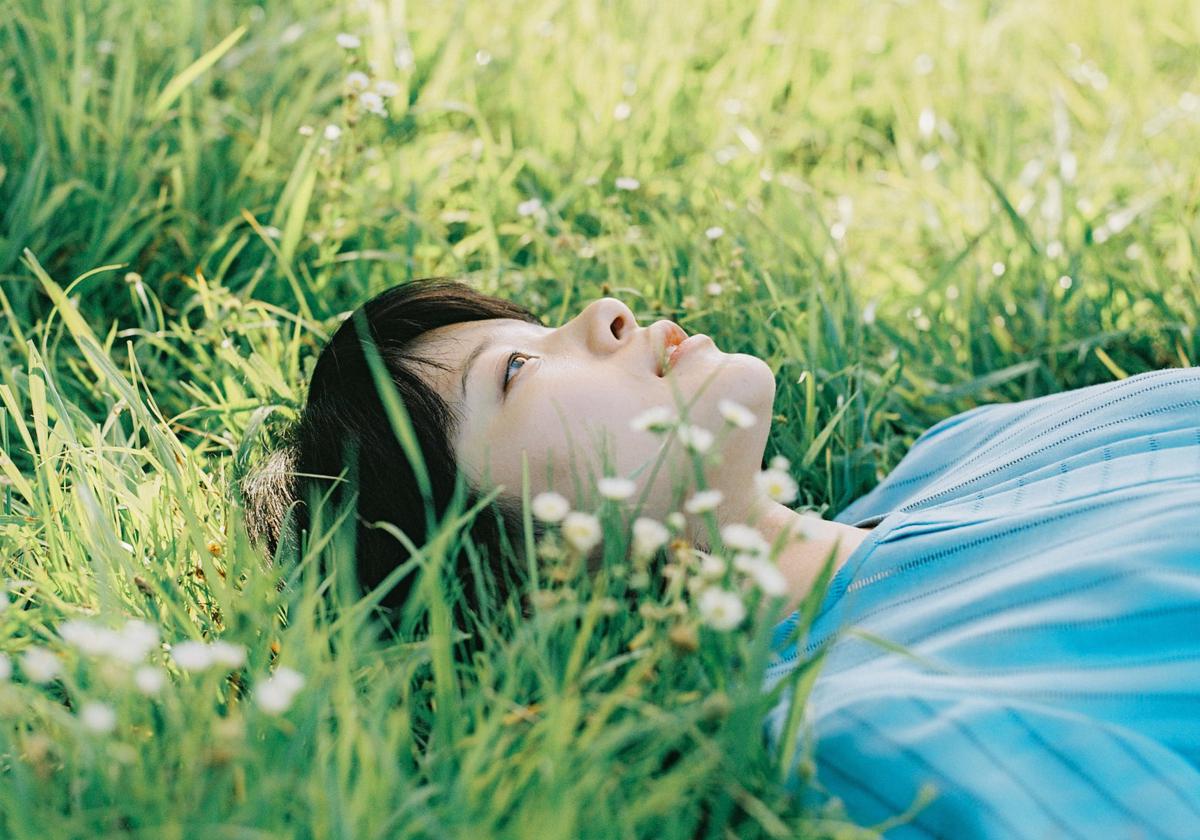
Fribourg International Film Festival - Loris S. Musumeci
«He might have lived longer, but he lived fully.»
The bed creaks. Yoshiko and her boyfriend engage in deep sexual exercises. They are sweating. Suddenly, the telephone rings. The girl stops to answer it. Sad news. From the window, she tells her father that «Grandpa has died. Back at her partner's house, she receives a kindly »Do you want to stop?.
Toute la famille est mal à l’aise ; personne ne sait que dire. A l’hôpital, le père de Yoshiko et son frère se disputent : ils se renvoient manquements et irresponsabilités. Yoshiko, elle, retrouve pour l’occasion sa cousine avec joie, mais les deux s’échangent un « ça fait longtemps », très révélateur de l’état de la famille. Avec la vie, le travail, les divorces et compagnie, la famille du défunt grand-père Isao s’est décidément effritée. Comme si la situation n’était déjà pas assez compliquée, il faut désormais encore penser à caser la grand-mère, sénile.
A kitsch grandiose
Unlike the other feature films in the international competition at the Fribourg International Film Festival, Goodbye Grandpa! doesn't bank its success on cinematography. Apart from a few elegant shots in the service of tragi-comedy - notably the one in which the two cousins stand smoking against a grate - the film is a collection of scenes with images of a kind of kitsch grandiose. For some, it's a Japanese touch; for others, it's an opportunity to vomit in the face of meadows of green that are as overdone and digital as they are disgusting.
On the other hand, Yukihiro Morigaki's direction is much more in tune with the subject matter. He exposes the drama of Western, city-dwelling families, to which Yoshiko's family totally belongs. After all, the Japanese live in the West, even though they're in the far east of the globe. Brothers don't usually speak to each other, except to fight over inheritance. Cousins, for their part, lose all proximity: some live here, others there. As a result, «weddings and funerals are always the same family reunions.»
L’individu et la famille
The story, without any modesty, shows the modern individual in the face of that painful, suffocating group called the family. Yoshiko's brother studies in the city; his clothes are very fashionable and he looks effeminate. Unsurprisingly, the family laughs at him. Yoshiko's cousin, on the other hand, is an almost sickly introvert. Unsurprisingly, the family laughs at him. Yoshiko's uncle has been left by his wife because, according to his own brother, he's ’a poor nerd«. Unsurprisingly, the family laughs at him.
Anyone could relate to the model of the mocked loser in the family. Indeed, it's the family members' faults that are highlighted. But at the same time, the challenge for all the protagonists, starting with Yoshiko, is to find the qualities in their parents too, so as to love the brother, cousin, uncle or father as he is. Morigaki's script captures the quest well, with a rather cathartic effect.
The good old days
Finally, the figure of the grandmother says a lot about how we regard the elderly. Not only does Goodbye Grandpa! dénonce, de manière un peu facile tout de même, leur dénigrement, mais il soutient la lucidité dont ils font souvent preuve malgré la sénilité. Leur simple présence, d’ailleurs, est érigée en trésor, dans la mesure où elle provoque un tant soit peu de tendresse, remémorant aux générations qui suivent le temps de l’enfance. Le temps où famille et solidarité ne faisaient qu’un.
Le film vaut donc la peine d’être visionné pour ces quelques bons points. A ajouter : son habileté à traiter de la mort dans un long-métrage considéré comme une comédie à humour noir. Pour le reste, rien d’original, rien de puissant, rien de transcendant, rien de mortel.
«Our family is twisted, and so is this funeral.»
Write to the author : [email protected]
Photo credit: © Goodbye Grandpa !
You'll also like




 French
  German
  English
Leave a comment