




The bon vivant in the age of healthy living
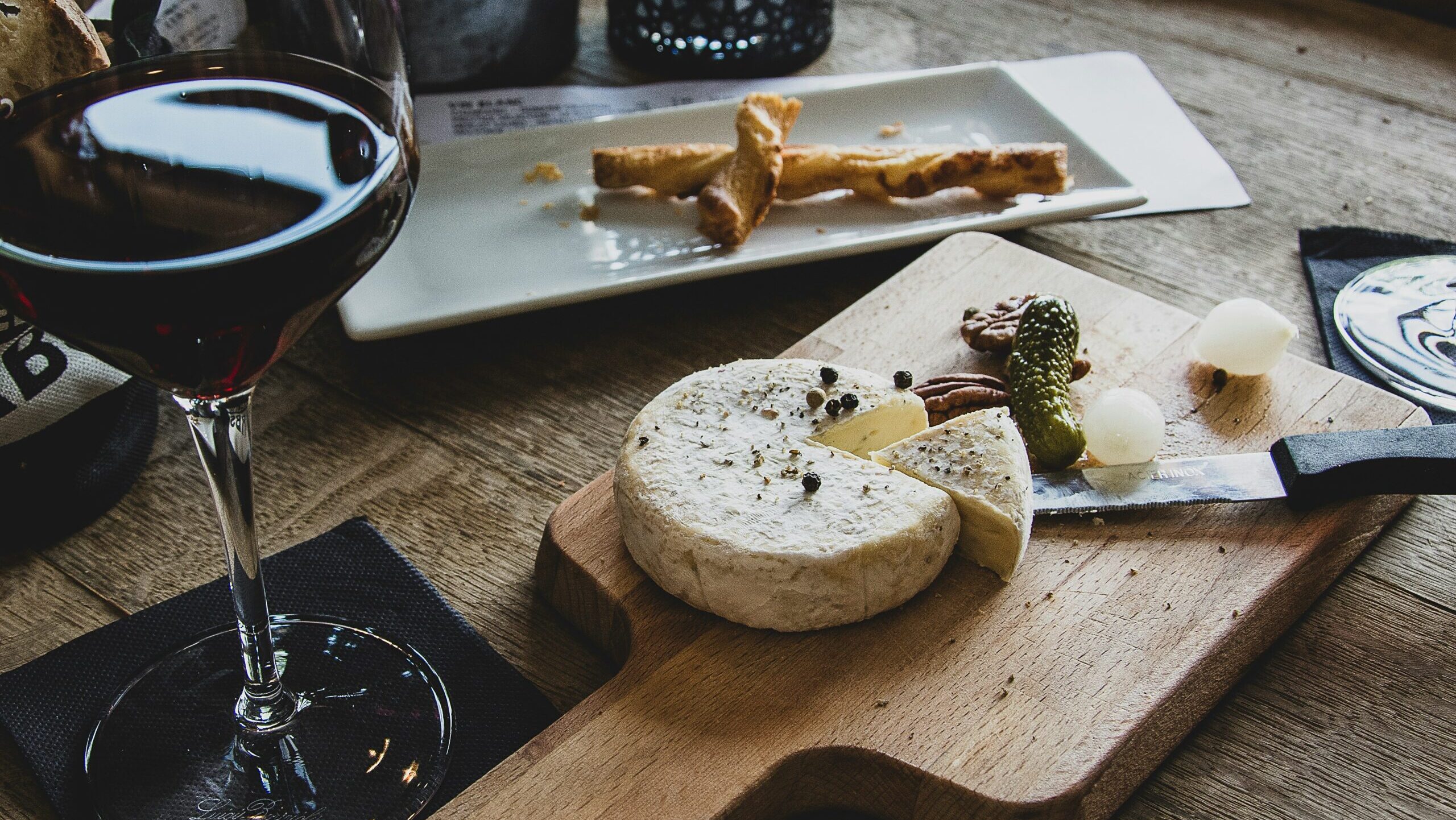
The figure of the bon vivant is summoned as a counter-model to an era perceived as too normative. Photo: Camille Brodard (via Unsplash)
Faced with the injunctions of healthy living, the bon vivant emerges as a counter-model. An opportunity to re-explore this figure, which is far richer than a simple posture of resistance.
You only have to walk down a few streets in any major Western city to realize that bodies have become a project. A Pilates studio on the corner, a restaurant with menus promising balance and vitality, a treatment center where you can combat the effects of aging... The scene is repeated in New York, Paris or Zurich with a certain regularity. This is hardly surprising: the market is simply following demand. The trend is towards self-control, body discipline and limiting excess.
A McKinsey study carried out in 2024 among over 5,000 people in the USA, UK and China confirms what the naked eye can see: the new generations, particularly Gen Z (1995-2008), are taking greater control of their diet and investing more in sport and nutrition than their elders. In the United States, the wellness market is even growing by between 5 and 10 % a year.
The resistance of the bon vivant
Given these trends, are the days of the bon vivant a thing of the past? At least, that's the feeling that sometimes surfaces in public debate. «Who wants to kill the bon vivant? How can we resist the tyranny of the new moralizers?» ran the headline in the French weekly Le Point in December 2019. Two years later, the business newspaper Les Echos retraced the adventure of «Gueuleton», a group of young entrepreneurs who have built a network of restaurants and caterers around an assertive imagination of bon vivant. «An art of living in its own right, a vision of good food that's both rejuvenated and uninhibited, where poêlée de cèpes automatically trumps quinoa», summarized the French daily.
The figure of the bon vivant is thus invoked as a counter-model, an instrument of resistance to an era perceived as too normative. When contacted, Geneva psychiatrist Michel Kummer, author of French history on the couch, In his analysis of the current trend, Mr. B. B. says: «Today, there's a kind of excess of morality and control, a tyranny of the healthy, a quest for physical purity. This also reflects deeper, philosophical issues: the fear of aging, the fantasy of eternal life, the illusion that we can anticipate and direct everything in our lives.»
An anxiety-free present
On a more symbolic level, the bon vivant refers to a taste for pleasure and abundance that have become suspect in an era marked by restriction and fear of the future. It gives the impression of a world that's still stable, where we don't calculate our every move. It comforts, decompresses and offers an almost ecstatic experience: that of an anxiety-free present, freed from the injunctions of performance and self-control.
Historically, it was also built in opposition to the moral standards defined by religious powers. In the XVIth In the 19th century, for example, Rabelais celebrated the knowledge and pleasures of the body with his characters Pantagruel and Gargantua, challenging the rigidity of the Church and scholastic education. The figure of the bon vivant has always worried religions, as have the contemporary forms of asceticism that have replaced it,« points out Michel Kummer. There's an old battle against pleasure, where the bon vivant is seen as dangerous, gluttonous and unhealthy.»
The clothes have changed, the mistrust has remained: yesterday dictated by the salvation of the soul, body discipline today responds to the demands of well-being, longevity and self-optimization. New, equally prescriptive moral codes have taken over. In both symbolic and historical terms, it's hardly surprising that the figure of the bon vivant now serves as a counter-model.
More than an instrument of resistance
The fact remains, however, that the use of this art of living carries a risk: to reduce it to a cult of excess free of all morality, or to a simple posture of resistance, would be to impoverish it. Indeed, mirroring the wellness trend, the counter-trend of videos mixing meat, wine and masculinist staging is just as performative. Enjoyment is less an end in itself than an almost tribal signal, addressed to one community and directed against another.
The bon vivant is not condemned to become the «viandard» versus the «soy boy», nor the drunkard versus the teetotaller. These caricatures are a far cry from a true ethic – and aesthetic – of pleasure. Being a bon vivant also involves a moral: a quest for the good life, a way of inhabiting one's own existence without reducing it to performance alone – which would be tantamount to imitating the race for optimization characteristic of health obsession – or to sterile provocation, which fractures and reinforces ideological and cultural bubbles.
Read also | Health is not our most precious asset
From Epicurus to the humanist tradition, via the convivium In Roman times, pleasure was built on a quest for the right taste, a sense of measure, an awakening of the senses, an art of time and connection. Montaigne, in his Tests, He captured it better than anyone: «It is an absolute perfection, and as divine, to know how to loyally enjoy one's being.»
Journalist and consultant, Pablo Sánchez is an editor at Regard Libre.
You have just read an analysis from our dossier «Pleasure and health», published in our paper edition (Le Regard Libre N°126).
You'll also like



 French
  German
  English
Leave a comment