



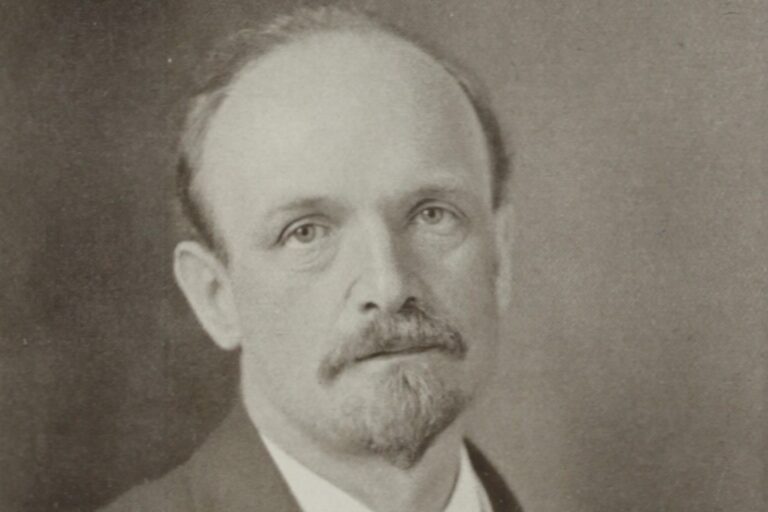
Jordi Savall, the medieval music historian

Thursday melodies - Alexandre Wälti
Music shapes history, and vice versa. The back-and-forth between the musical past and present is endless. Jordi Savall took it a step further and drew on the painful history of slavery to create the project The Routes Of Slavery. An encounter between African instruments, sacred and popular Spanish and Portuguese songs and extracts from historical texts.
The Spanish conductor spent many years leading choirs and was the partner of opera singer Montserrat Figueras until her death. His interest in vocal art is therefore evident. In the past, he has already placed voices at the center of his compositions, as in the excellent Granada Eterna.
In this previous project, he paid tribute to Arabic songs and music to mark the millennium of Granada, in Andalusia. He invited listeners to take a musical journey through time, from the founding of the Kingdom of Granada (1013) to its incorporation into the Kingdom of Castile and León (1526).
The composer takes a similar gamble with The Routes Of Slavery except that it covers the period from 1444 to 1888, from the beginnings of slavery to the year the Brazilian Golden Law was enacted—Brazil having been the last country to abolish slavery through the signature of Empress Isabel.
The kora played by Ballaké Sissoko of Mali thus joins forces with the percussion of Luis Nascimento of Brazil. Mohammed Diaby’s voice blends with that of Leopoldo Novoa of Colombia and the instrumentation of the Mexican chamber orchestra Tembembe Ensamble Continuo.
As you can see, there is immense musical richness here in the service of preserving memory. When blood becomes sounds of reconciliation. When African, Latin American, and European music come together to reinterpret history and build bridges between cultures.
Check it out, as the project is available for free listening on this link.
Write to the author: [email protected]
Photo credit: © YouTube screenshot
You'll also like




 French
 German
 English
Leave a comment