




«Rejoicing in the end», a meditation on one's own finitude
Tuesday's books - Lauriane Pipoz
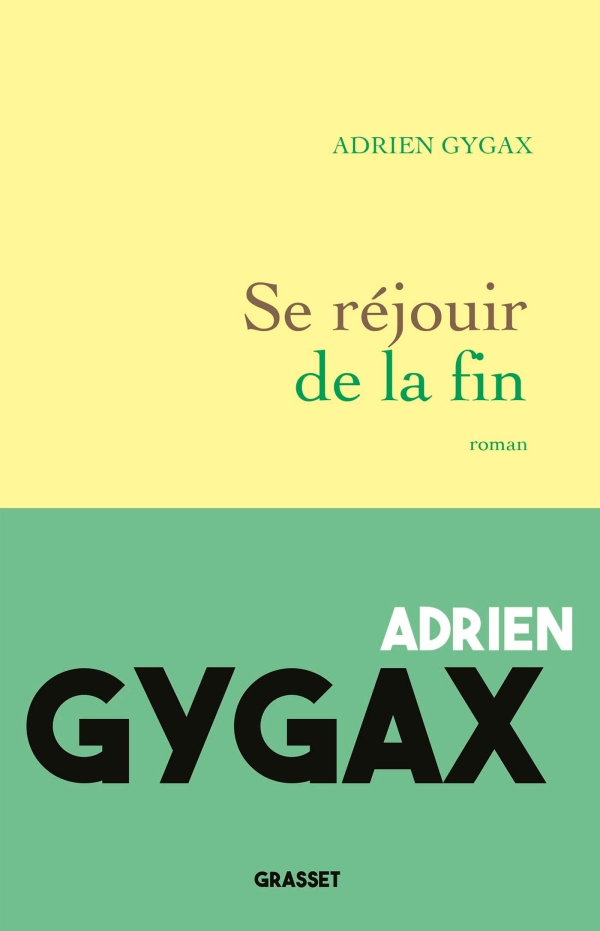
In Looking forward to the end, Adrien Gygax, a writer from the canton of Vaud, immerses us in the diary of a man living in an EMS. Widowed and childless, he writes his memoirs in the form of thematic episodes. In this way, we discover his fading world, full of philosophy.
«A nursing home resident wished, in his own words, to evoke what he called ‘old people's happiness‘. Doomed by illness, he dedicated his last months to contemplating his own finitude.’
Despite appearances, this is fiction. Gygax drew inspiration for his main character from his grandmother and her work as a consultant. Through twenty-five short chapters - «Letting go», «Recalling memories», «Drawing like a child» or «Watching others eat» - the mundane daily life of a nursing home resident is narrated right up to his death. Or rather, his absence from life.
Read also | A beautiful night dawns for Elisabeth Quin
For the watchword of this story is absence. Things are approached from the angle of their impending disappearance: the gradual fading of the body's weight, mobility, senses, memory... But never from a pessimistic angle. The stories are constructed as small examples illustrating Stoic philosophy, i.e. the command to remain serene in all circumstances. The main character resigns himself to his condition, while enjoying the opportunity to reflect on it.
«And then nothing. Suddenly, just like that, nothing. A first memory goes, I let go, a second, then all the others. They all escape, run away, like mad. All disappear until the next time, and only the eternal memories remain in my hilly memory, the ones that refuse to go away despite the injunctions.»
Ce petit livre est une ode au lâcher-prise. Avoir pris la plume sous la forme d’un vieux approchant la mort est une idée de génie. Quel meilleur exemple de résignation que celui d’un homme prisonnier de son corps vieillissant et pouvant constater chaque jour sa propre décrépitude? C’est également l’occasion d’aborder le rapport au temps: une histoire banale peut s’étendre sur plusieurs pages. Une attention particulière est portée à chaque détail pour nous montrer tout le temps qu’a à sa disposition le résident.
This is certainly one of the book's messages: paradoxically, people in EMS sometimes have a lot of time left over. Our man uses it to enjoy the various pleasures that life still has to offer. And the greatest of these lie in observing what's going on around him and relating these analyses to his past life. A life we don't know the broad outlines of, but whose anecdotes certainly resemble our own.
«I was this big guy in a Mercedes who lived at the bottom of the village in the beautiful house with the swimming pool. We don't probe our hearts and minds, but our heritage does. We are what we own, the places we frequent, the jewelry we wear, the things we buy. We are the sum total of all the material we pile up, replace, resell and exchange. And so much the better! Otherwise what's the point? That's life!»
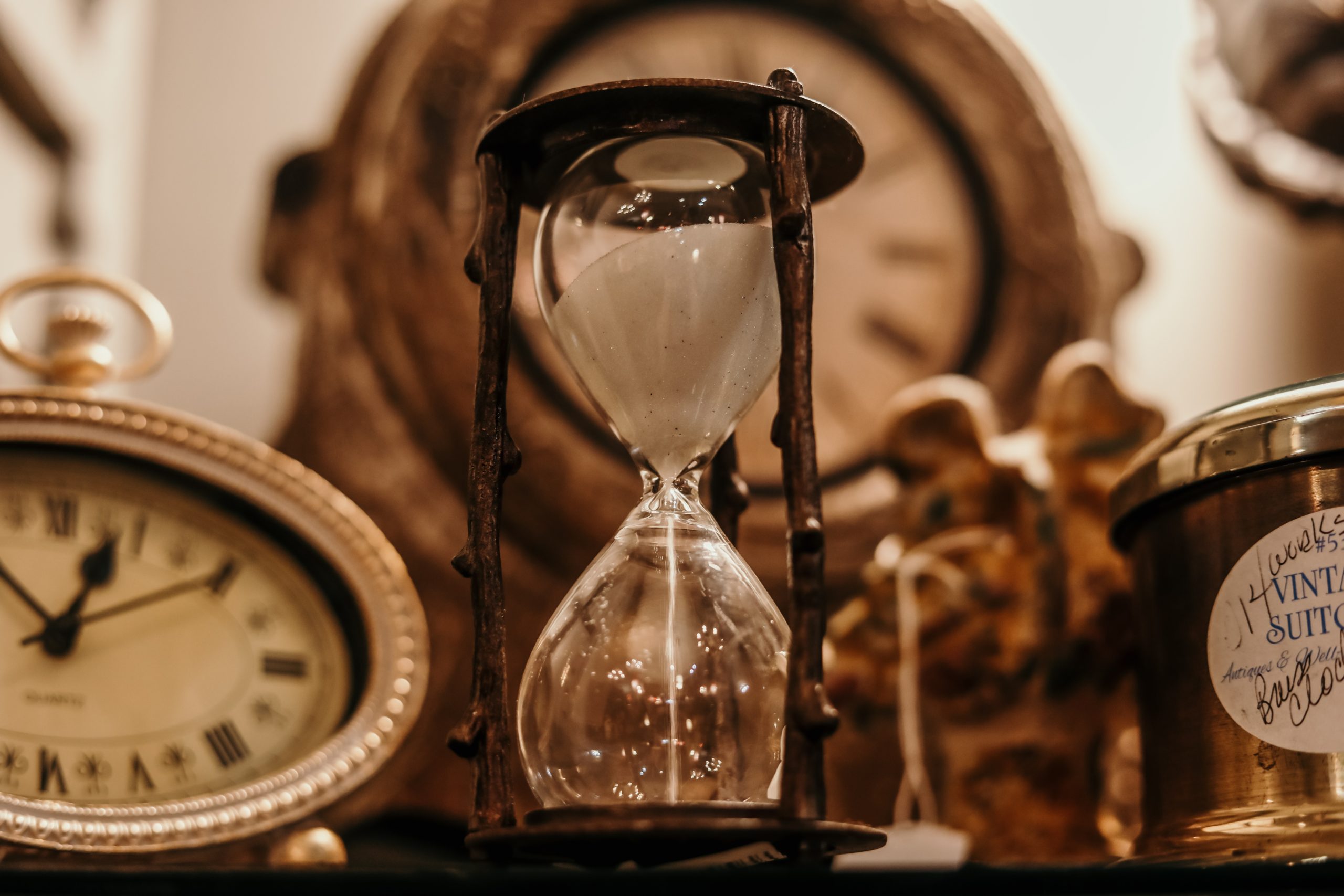
This slowly running hourglass is, of course, exacerbated by Dame Solitude. An aspect addressed with all the modesty that characterizes the story. We discover it in the midst of our old man's mail, which retains the «feeling of existence» through the envelopes of the letters addressed to him. An anecdote we should perhaps keep in mind in the current crisis, where the elderly feel particularly isolated, to remind us that virtual communications are not necessarily the only ones available to us.
«Times are hard for old people, we're not really addressed anymore, or we're addressed in ways we can't control. The letter-opener generation, all we know is mail, paper, ink, an envelope weighted down with a few sheets of paper. [...] I took the letter out of my pocket and looked at it. My name was written on it, they called me Monsieur. It gave me a fierce sense of existence.»
Photo credit: © Jordan Benton / Pexels
Write to the author: [email protected]
Adrien Gygax
Looking forward to the end
Editions Grasset
2020
112 pages
You'll also like





 French
  German
  English
Leave a comment