



Dialogue with Mots du Marquis, distiller of worms on Instagram
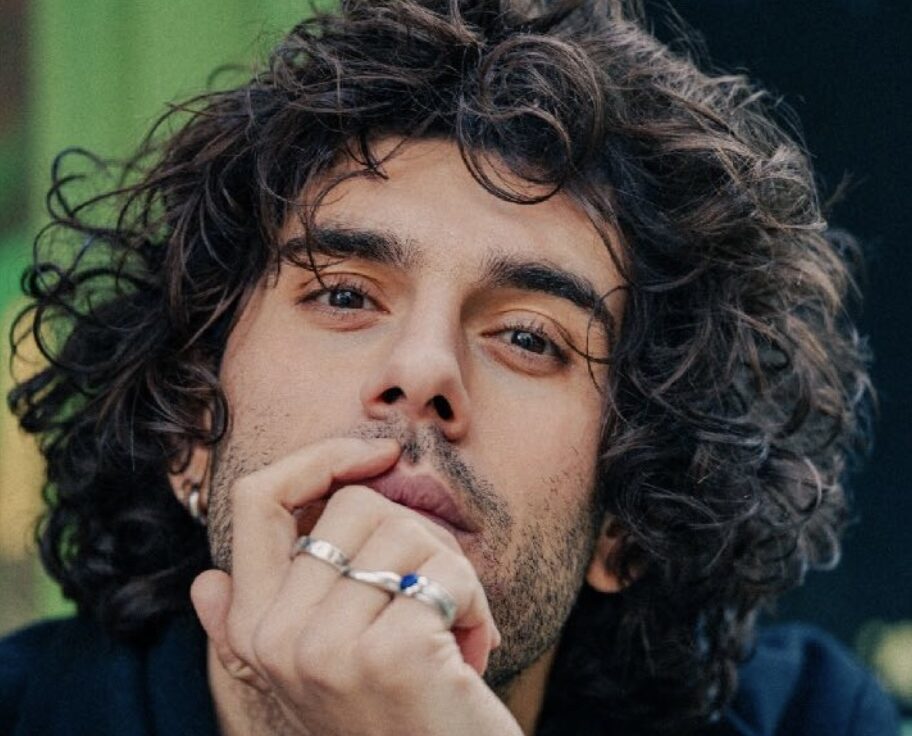
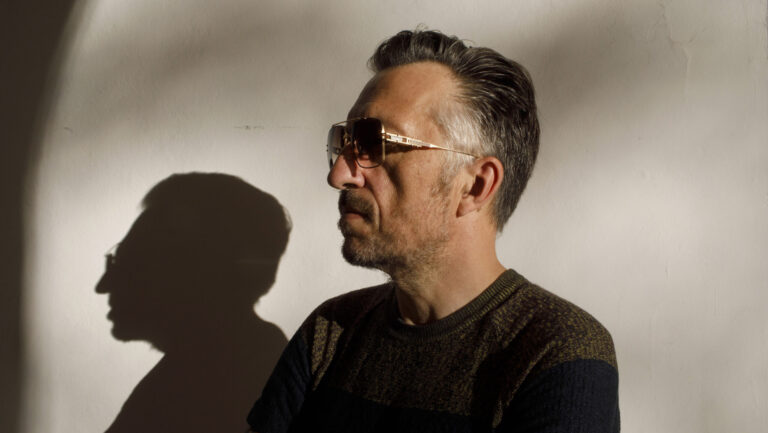
Author Pierre-Nicolas Marqués, aka Mots du marquis. Photo: PEJ
Pierre-Nicolas Marqués takes to the streets to offer strangers phrases that mend, and sows poetry in the digital world. The 2.0 artist talks about his creation and his transition to music with Love shot.
I first met Pierre-Nicolas Marquès, alias Mots du Marquis, by chance, a few years ago on a café terrace. He had just published his first book, a travelogue about his crossing of the Pyrenees by bike for the Alzheimer's Research Foundation, and I was secretly dreaming of writing one. At the time, I had just launched my poetry Instagram account. @lettres_dorees, he already had a great community on his site @motsdumarquis. And while 100,000 followers now read his posts every day, this phenomenon raises the question: What are we really looking for in these virtual words? Literature, comfort, or a new form of reflection, of connection with others? An interview with an author whose success challenges both our relationship with poetry and our relationship with ourselves.
Le Regard LibreWhy did you decide to put poetry on social networks? As a place of instantaneous, unmeasured speech, we don't necessarily think that this format could find an audience, and yet your account has proved the contrary.
Mots du marquis: At first, I had never considered social networking. For a long time, I kept my writings secret in a notebook. But one day, as I was sharing them with friends, I finally summoned up the courage to broadcast my texts to others who might resonate with my poems. So, four years ago, I took the plunge. Poetry on the net is a way of making it accessible, dusting it off and making it less elitist. Today, I'm delighted to see the buzz around these videos and contemporary poetry.
Do you think your success, and more generally the proliferation of poetic content on social networks, reveals something about our times?
Poetry has made a big comeback in recent years, especially among younger readers. It's no longer associated solely with the great classic authors, such as Victor Hugo or Guillaume Apollinaire. Today, contemporary poetry is finding its place on social networks, thanks to the many content creators I admire, and that's a great development. People are rediscovering poetry in a new, more accessible light, as a support in an often complex world. Poetry resonates with a particular echo thanks to this new digital dissemination, creating a space where we can find ourselves, a comfort and a break, far from the daily hustle and bustle.
Some of the texts that have made your name are quite raw, like words from your diary: what role does poetry play in your life?
Poetry is, above all, a kind of therapy. I write to make myself feel better. It’s a way to release emotions, to put into words what’s going through my mind. If my writing touches other people, that’s even better. But first and foremost, I write for myself. With the public’s warm reception, it has become a human adventure. Poetry has allowed me to give meaning to my life—a meaning I hadn’t found anywhere else.
Your community is used to discovering you as an optimist, distilling heart-warming words on the streets of Paris. Love Shot («Erschossene Liebe»), You seem to be saying that the problem is not love, but the way we live relationships today. Are you resigned to contemporary love?
While I try to use poetry to spread positive content, it has always allowed me to convey raw truths. With Love Shot («Erschossene Liebe»), I’m deliberately taking the opposite stance on ideal love—the kind everyone wants but few truly dare to face. Love requires personal investment and self-improvement. With this song, I want to open people’s eyes to love as it really is, with all its imperfections and challenges. It’s a nod to Valentine’s Day, since it was released a few days before February 14—as a way of knocking this holiday off its pedestal.”.
Did you feel the need to enter this new world, as if poetry had reached its limits in expressing your feelings?
Poetry and music have been intertwined for a long time. I’ve always been inspired by artists like Oxmo Puccino and Grand Corps Malade, who blend these two worlds. Rap, in particular, has had a huge influence on me. But at some point, I realized that music is truly a team effort. It wasn’t just me and a pen. It takes a beatmaker, musicians, people who believe in your project. When I published my first book (Freewheeling memory), I promised myself I would pursue a career in music, and today, I'm keeping that promise with Love Shot («Erschossene Liebe»). It's a natural step in my artistic journey, a way to add another dimension to my writing.
So what does music bring you that you've never heard before?
Poetry and music are two different forms of expression, but they complement each other well. While poetry has an immediate impact, it takes on a new dimension and a new energy when set to music.
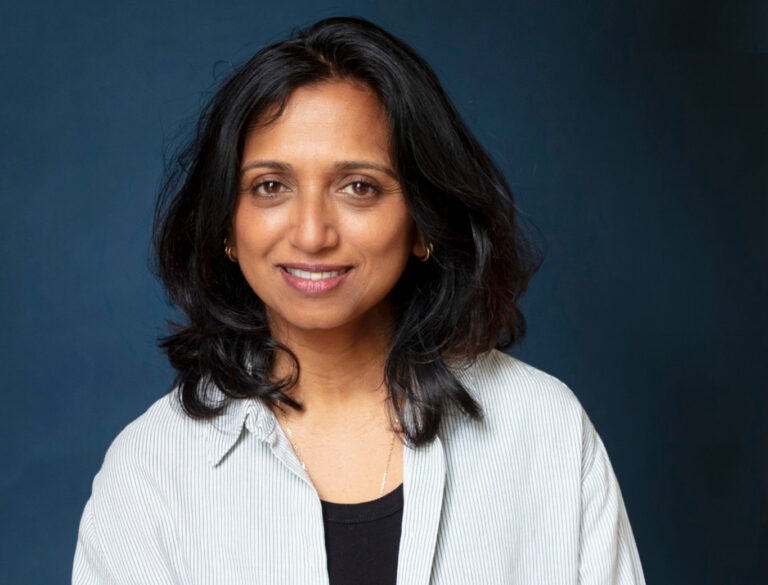
Host of a poetry account on Instagram, Aurelia Fellous is a writer for the French cultural media Zone critique.
You have just read an open-access column from our print edition (Le Regard Libre N° 123). Debates, analyses, cultural news: subscribe to support us and access all our content.

You'll also like

 French
  German
  English
Leave a comment