



«The crumbs, here and there
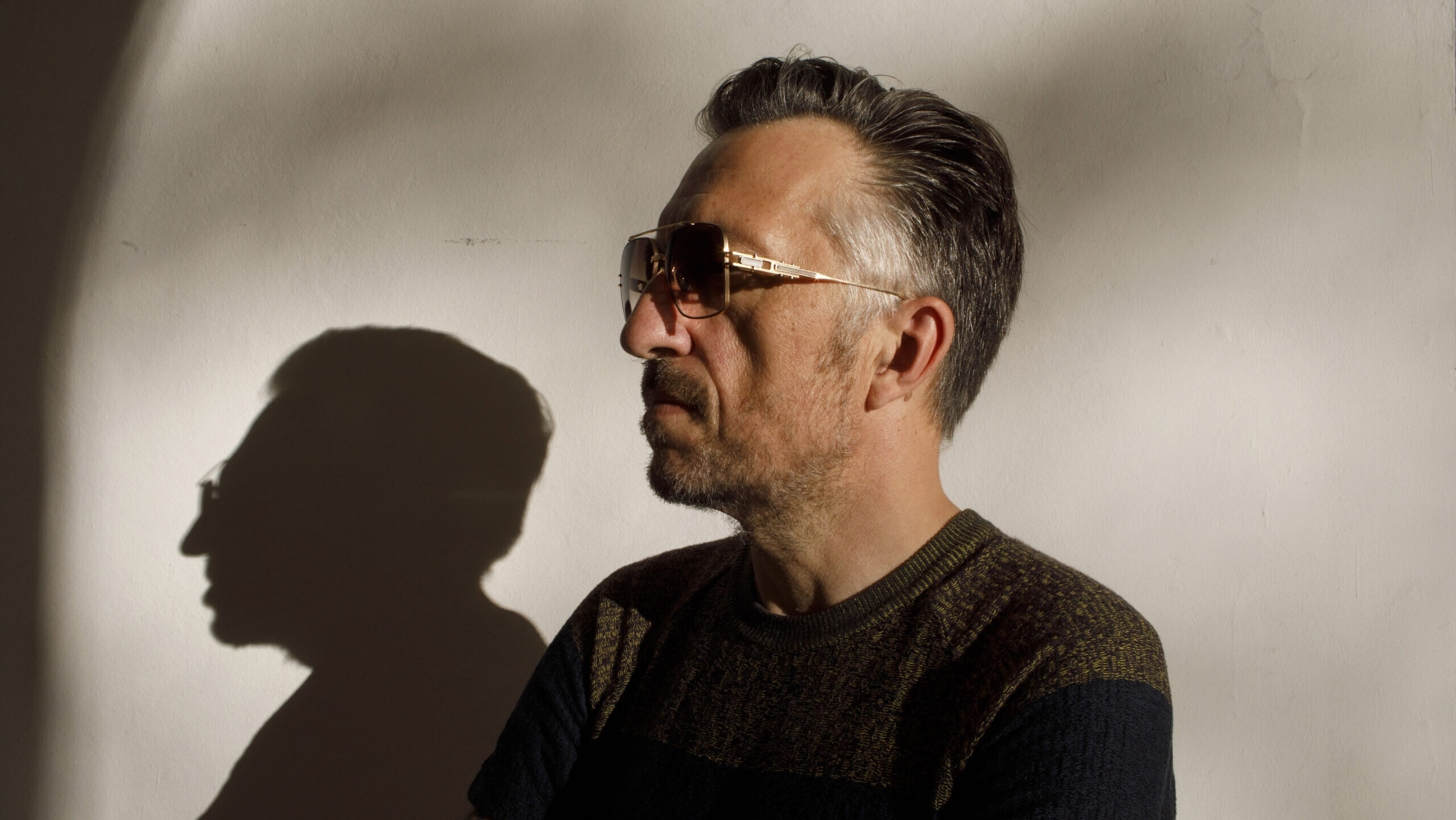
«Lukas Bärfuss excels at seizing on apparent banalities to shape lives that seem close to each other.» Photo: Cannarsa:opale
The heroine of Crumbs travels through life as one travels through a country that is not waiting for us. Between factories, inherited debts and fading loves, Lukas Bärfuss tells the story of an existence that moves forward uncovered, at the cost of everything that should stand.
Reading Lukas Bärfuss's latest novel, I realized one thing: among Swiss writers, I prefer German speakers to French speakers. I don't know if it's tragic or not, but the fact remains. Whether it's Peter Stamm, Gottfried Keller or Lukas Bärfuss, I have more affinity with their works than with those of Metin Arditi or Jacques Chessex. Perhaps because they transpose a different, more urban energy. A collective solitude.
This same loneliness permeates Lukas Bärfuss's novel, set in 1970s Switzerland. Adelina's amorous encounter with her parents sets the scene for the rest of her life: a losing battle against fatalism. And against men, who disappear behind their cowardice and low blows. A race of exhaustion begins for Adelina. A poor single mother with no real support, she simply tries to stand her ground in a prosperous country that leaves only scraps for those who live on the edge.
From men to disillusions, from odd jobs to silent humiliations, Adelina moves forward in spite of everything, carried along by an almost tragic energy, refusing to sink completely. She survives, buoyed by hopes that she knows are illusory, but which she hopes are respites.
A novel that raises a question as gaping as it is terrifying: what is there to believe in when you are nothing and everything is successively snatched away from you?
Uses and customs of violence
Author of over forty plays, nine novels and political columns in German newspapers, translated into some twenty languages, Lukas Bärfuss is one of the strongest voices in German-language literature, recognized far beyond Switzerland's borders. But with this text, he didn't have to look elsewhere for inspiration, as the Zurich-based writer ventured as close as possible to his own family history, entrusting his heroine with her mother's journey.
The Crumbs is the story of a progressive dispossession, of a woman trying to wrest a few fragments of dignity from a world that leaves her with nothing but scraps. Here, the violence described is lodged in ordinary everyday life, between discreet humiliations and closed doors. There is no demonstrative sociology or political denunciation, simply the implacable confession of literature.
In this novel, which has the patina of pre-smoking ban village bistros, a color yellowed by dust, Lukas Bärfuss excels in seizing on apparent banalities to shape lives that seem close to each other. Building a world of familiarities out of nothing. Like a minimalist set, yet truer than life. There's an art to this man's work, an ingenious touch for sketching out characters in voids and silences. He is a silhouettist of drama. A documentarian of distress.
While the style is cold and the tone factual, the narrative is never monotonous, and on the contrary carries a heavy tension. It's like a thunderstorm moving forward, but without the thunder rumbling. We turn the pages, waiting for the detonation.
Every month, Quentin Perissinotto sets out to put a literary work through a kaleidoscope, in order to collect the images it projects and reproduce their diffractions. Even if the flashes of genius turn out to be shards of glass. Write to the author: [email protected]
You have just read an open-access column published in our print edition (Le Regard Libre N°127). Debates, analyses, cultural news: subscribe to support us and access all our content.
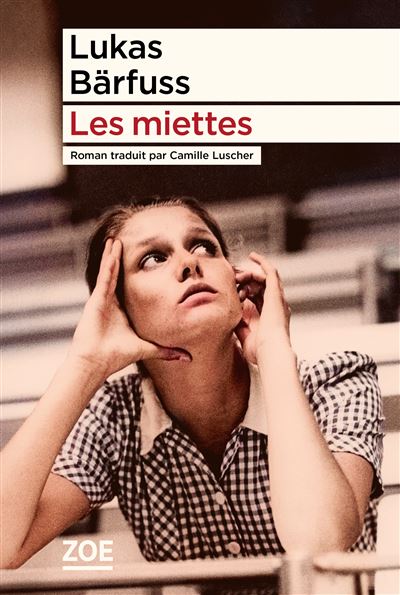
Lukas Bärfuss
Visit Crumbs
Translated from the German by Camille Luscher
Editons Zoé
January 2026
240 pages

You'll also like



 French
  German
  English
Leave a comment