




What Madrid has gained by opening its shops on Sundays
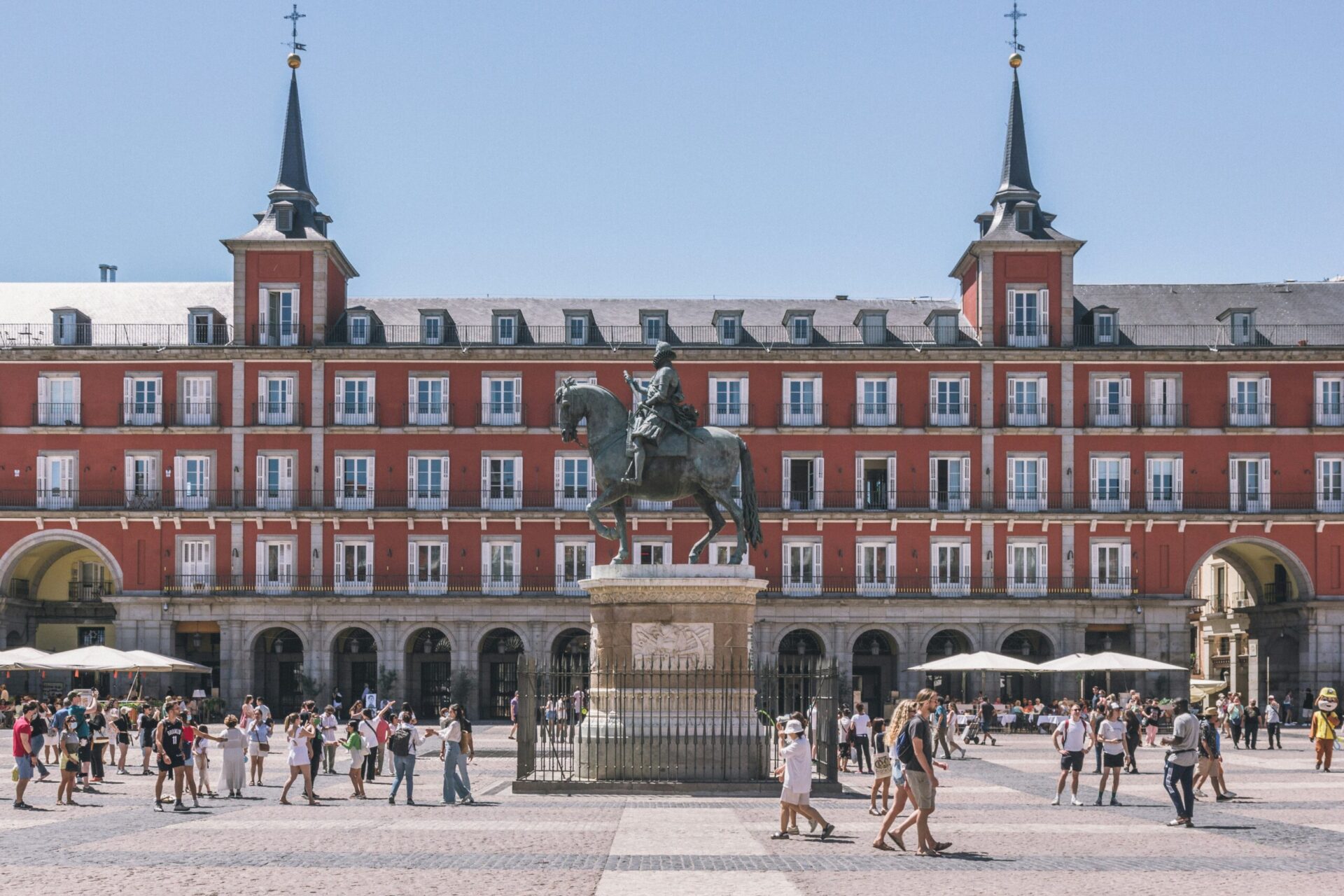
Photo: Unsplash
On June 14, the people of Geneva will be voting for the fifth time in fifteen years on Sunday opening. In Madrid, the regional authorities completely liberalized store opening hours in 2012. The results.
A «breath of fresh air» for the initiators, a threat to working conditions for the opponents. In Geneva, the debate on Sunday opening of shops is replaying a now-familiar score. This time, however, the proposal put to the vote appears particularly modest: to authorize two additional Sundays a year, in addition to the December 31 opening already authorized.
This is in stark contrast to the Community of Madrid, where Sunday opening of shops has become a common feature of city life. Since 2012, the Spanish region has lived under a regime of total freedom of commercial opening hours. In the midst of the financial crisis, the liberal regional president Esperanza Aguirre pushed through a «law to boost commercial activity», allowing every shopkeeper to freely set their opening hours, including Sundays and public holidays.
The criticisms levelled by the left and trade unions at the time were virtually identical to those heard in Geneva today: the weakening of small businesses, the casualization of employees and the increasing dominance of mass retailing. Thirteen years on, the Madrid experience provides a particularly instructive laboratory for measuring the real effects of such liberalization.
The first observation is that consumer habits evolve rapidly as regulatory constraints disappear. Sunday shopping has become part of everyday life in Madrid. According to a survey carried out by the regional government, eight out of ten residents rate this freedom of choice positively. Popular support therefore appears massive. In particular, the reform has reinforced what some economists call the «value of time»: the possibility for consumers to organize their purchases according to their own constraints, rather than according to administratively defined schedules.
Madrid has also turned this flexibility into a competitive advantage. The region now boasts the highest commercial density in Spain, with 527 square meters of retail space per 1,000 inhabitants, compared with a national average of 375. This is well ahead of Catalonia, the country's second-largest economic powerhouse.
Activity multiplier
Weekends and public holidays, precisely when tourist flows are greatest, are now periods of intense commercial activity. In a metropolitan economy based on services, catering and tourism, flexible working hours act as a multiplier of activity. The Spanish capital has thus become one of Europe's leading destinations for shopping tourism.
However, trade unions and small retailer organizations contest the idea of success without compensation. They criticize the growing concentration of the market in favor of large retailers able to absorb the costs associated with extended opening hours. According to the Madrid Confederation of Commerce, some 2,500 small shops closed in the four years following the reform.
What's more, only 30% of establishments actually make use of this freedom to open, mainly in the food sector. Liberalization has therefore not led to permanent, uniform opening of all businesses, but to flexibility used selectively according to sector, time and economic realities.
Nevertheless, the macroeconomic results put forward by the Madrid authorities remain significant. Between 2012 and 2022, commercial sales grew by 20% and employment in the sector by 13.4%. A study by consulting firm AFI covering the first four years of the reform estimates that liberalization would have generated almost 2.7 billion euros in additional activity and over one billion in additional tax revenues.
The Madrid experience shows that the liberalization of shopping hours goes far beyond the question of Sunday shopping. It is part of a broader urban model: a more flexible, more available city, where the consumer's freedom to organize his or her time is matched by the shopkeeper's freedom to adapt his or her activity. Madrid has made this permanent availability a pillar of its identity and appeal.
Journalist and consultant, Pablo Sánchez is an editor at Regard Libre. Write to the author: pablo.sánchez@leregardlibre.com.
You have just read an open-access commentary published in our paper edition (Le Regard Libre N°127). Debates, analyses, cultural news: subscribe to support us and access all our content.
You'll also like


 French
  German
  English
Leave a comment