



«The Trial of the Century» and the need for truth
Cinema Wednesdays - Loris S. Musumeci
A partner section of Cinérevue, NeuchVox's film program. Next live broadcast: Monday June 5, 2017, 8:30 pm - 9:00 pm
«The voice of suffering will be heard.»
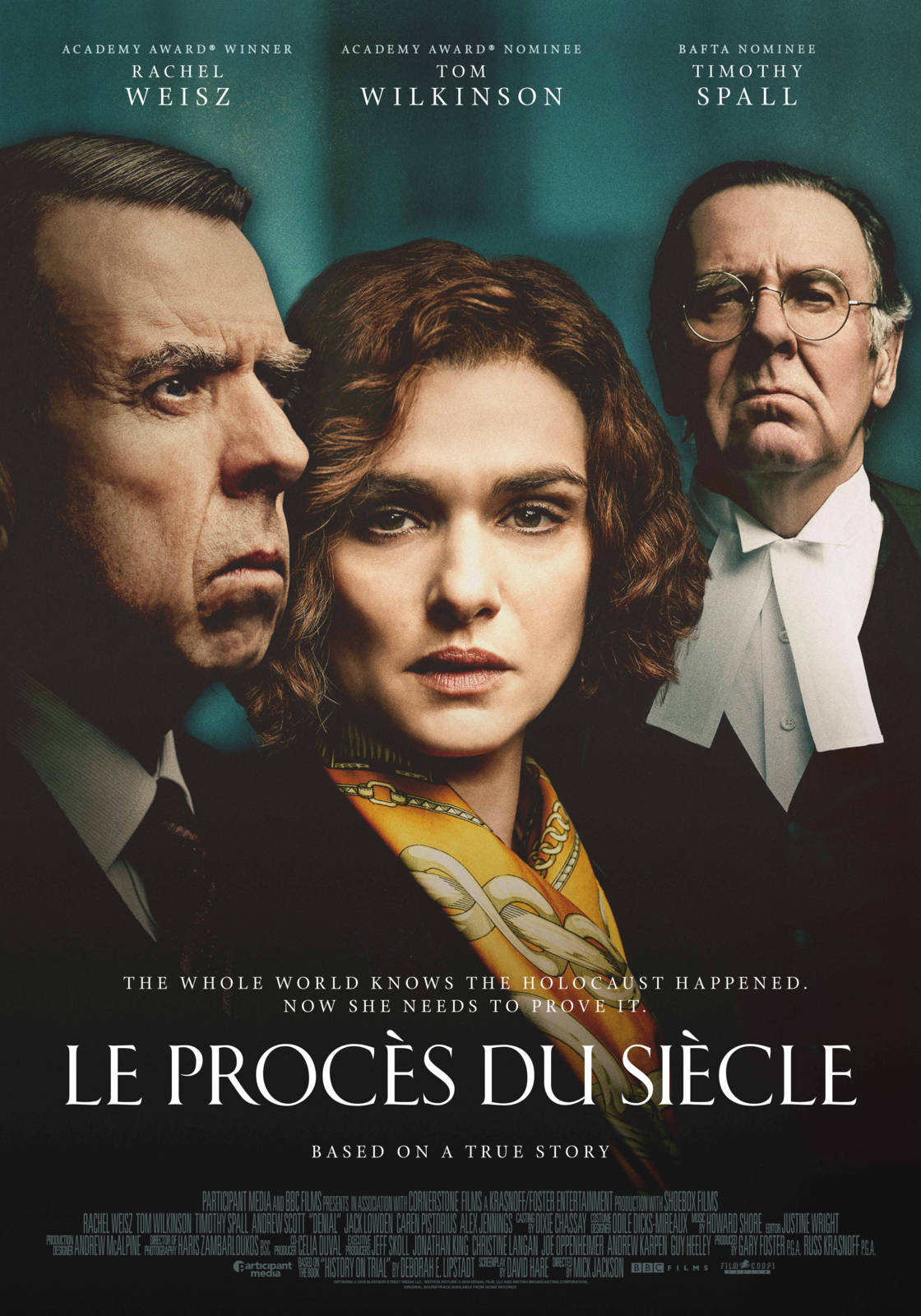
Professor Deborah Lipstadt (Rachel Weisz) teaches Jewish history and literature at Emory University in Atlanta. For her, Holocaust remembrance is not just a job. It's a moral duty. A truth to be recognized as such. Successful English historian David Irving (Timothy Spall) has not chosen the same direction. He prefers to «question the claims of conventional wisdom», as he puts it. This recklessness gradually leads to outright Holocaust denial. He is prepared to do anything to proclaim his ideological construction within the highest intellectual spheres. The result: he sues his Semitic rival, who has criticized his works with impunity. Without concession.
The academic had indeed declared herself ready to discuss the Shoah with anyone, except those who deny it outright. The Englishman, refusing such an attitude, spared no effort. As a result, she had to arm herself with London's most famous lawyers to appear at the Palace of Justice on January 11, 2000. It's not just a question of money or reputation. It's about memory. To defend itself, the Lipstadt party must prove the existence of Jewish extermination. Nothing less! Faced with the epitome of agonizing bad faith. To lose this trial is to lose history.
The entire Trial of the century - Denial - could be a classic social-historical-psycho-pathetic Hollywood tragedy. Situational detail: Mick Jackson's direction is drawn exclusively from reality. No romanticized exaggerations, no unduly glorified words, no artificial arrangements. Since the film is about truth, only truth deserves representation. David Hare's screenplay is directly inspired by the court archives and Deborah Lipstadt's own testimony: History on Trial: My Day in Court with a Holocaust Denier.
Without turning into a documentary, the film is precise, fair and temperate. In so doing, it raises real questions about the relationship between opinion and truth. The latter can be elucidated from different points of view. The fact remains, however, that opinion cannot claim to replace or even trample on truth, simply because it is subject to it. By denying the Holocaust, David Irving is not advancing an opinion. He's lying. The viewer is able to understand this, even to feel it in the thrill of the denier's words.
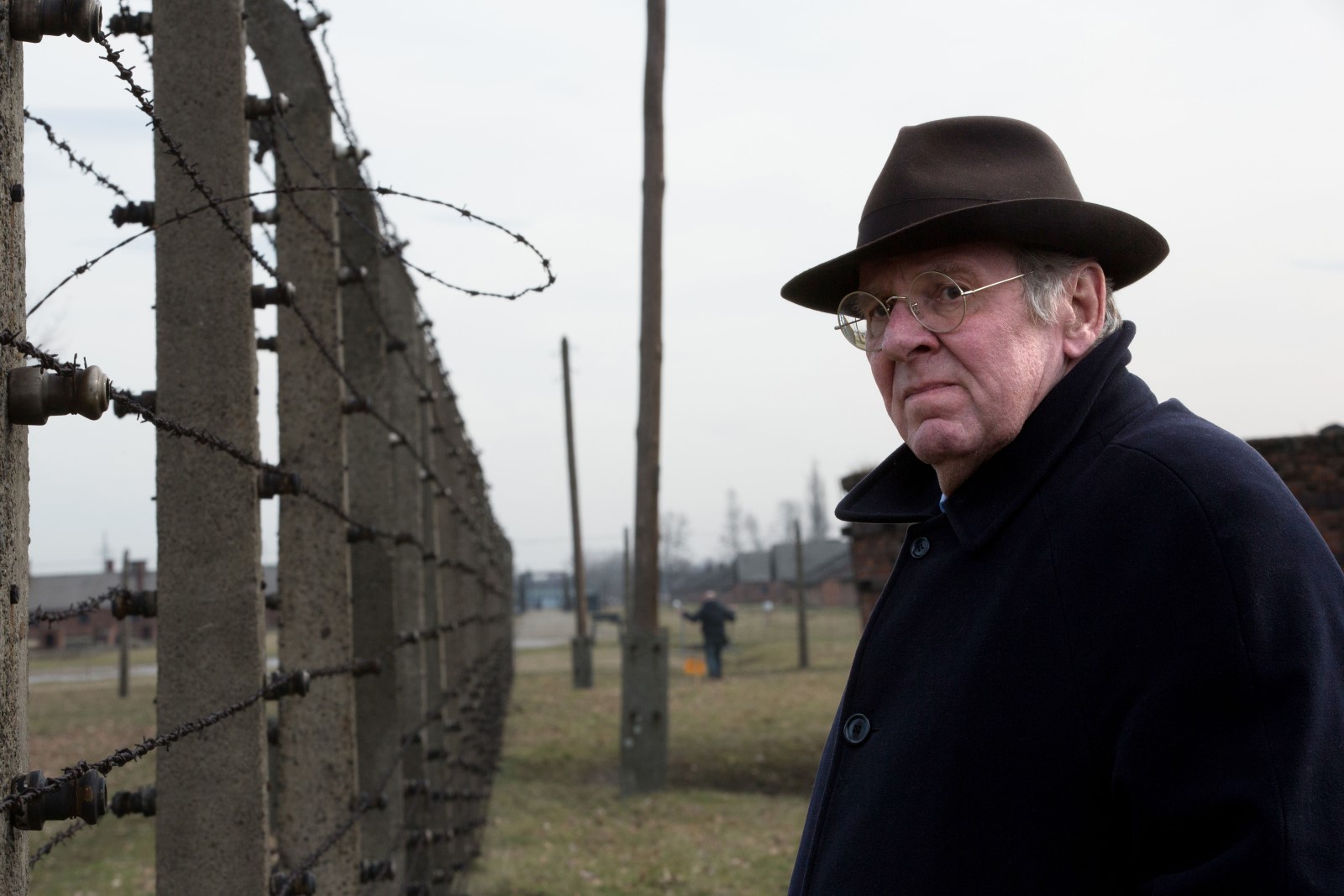
The profound attachment to the duty of truth still manages to reach the audience. This is achieved not so much through Rachel Weisz's slightly too indignant tone, but through the perfect argumentation of lawyer Richard Rampton - played with cynicism and excellence by British actor Tom Wilkinson. Without a hint of emotion, he analyzes every tiny piece of evidence pointing to the inevitable existence of gas chambers. With a cigarette in his mouth and a bottle of red wine always close at hand, he observes the architectural details of the camp in Auschwitz, calculating distances, caressing debris and scorning the local guide to get on with his work.
Last but not least, the aesthetics are no great feat. It is content with a realistic sobriety that suits the context. The Trial of the Century is nevertheless not without taste. The English atmosphere and the Jewish tears are staged using simple drops of water. In the foreground. Rain splashes out of the courthouse. Barbed wire weeps dark memories.
«You have been remembered. The voice of suffering has been heard.»
Write to the author : loris.musumeci@leregardlibre.com
Photo credit: © ecranlarge.com and cinergy.ch
You'll also like

 French
  German
  English
Leave a comment