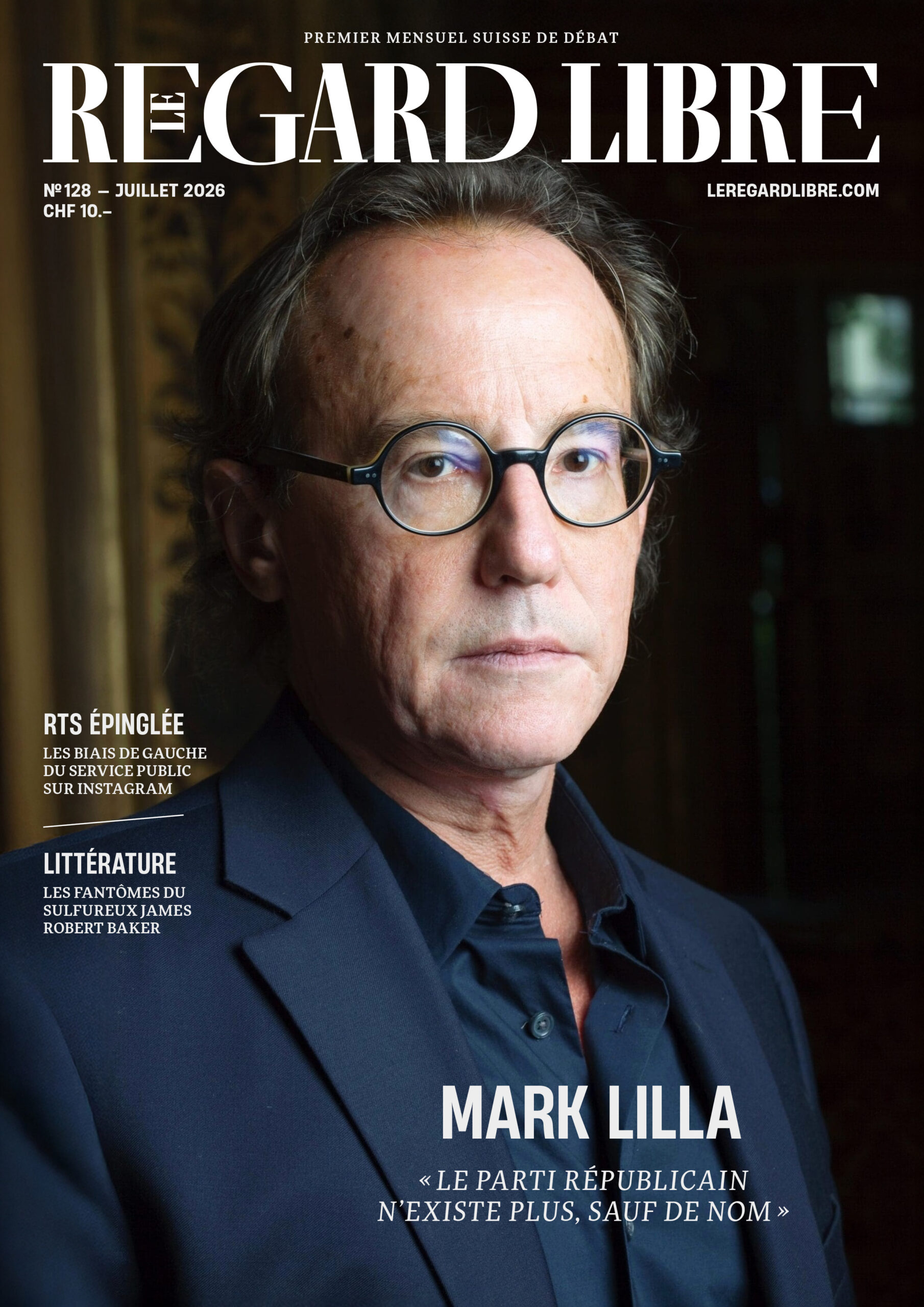
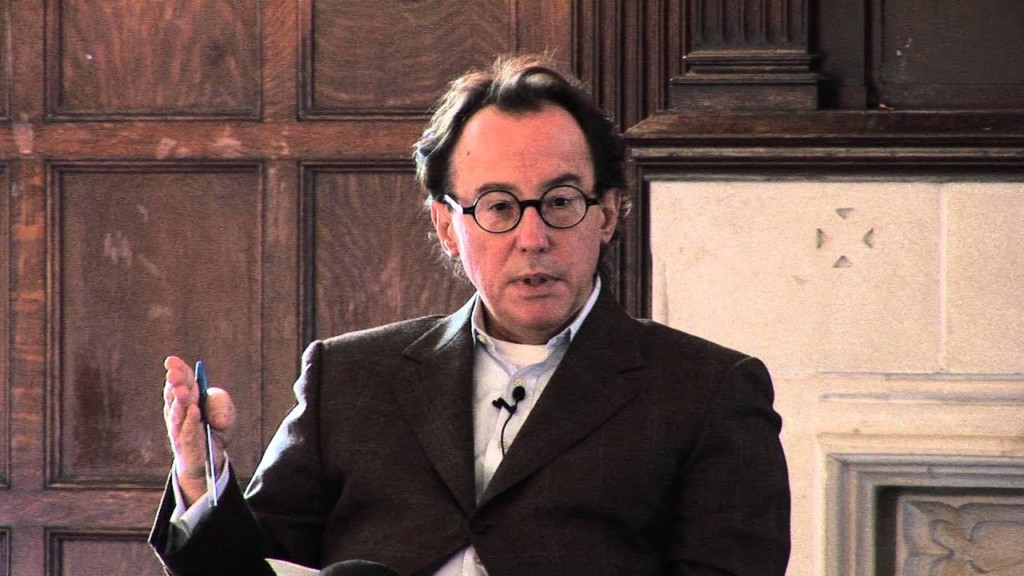
LONG FORMAT ARTICLE, Antoine Bernhard | To understand the ideology currently reigning in some universities, it's worth looking at the recent history of the United States, where this ideology was born. In 2017, the enigmatic Donald Trump was sworn in for four years as head of the world's leading power. Today, it's time to take stock. While all the media agree in decrying Trump's disastrous policies, few analyze the context that has enabled the triumph of a new American populism. Thirty years during which the left has retreated into an increasingly individualistic and anti-republican ideal, disregarding the need for a real political vision. This is what left-wing intellectual and Columbia University professor Mark Lilla analyzed in his 2018 book «The Identity Left».
Thirty-two-year-old Julien Rochedy is a former rising star in French politics. As a member of the Front National, the young Ardéchois achieved his highest responsibilities by becoming Marine Le Pen's political advisor for the 2012 presidential campaign, and then by becoming director of the Front National de la Jeunesse the same year. However, the ideological evolution of Marine Le Pen and the party gradually disgusted him - as he explains in a long-form video posted on his YouTube channel. So, in 2014, Julien Rochedy gave up all political involvement. Today, he is fully committed to metapolitics, where, he says, the aim is to lead the fight on the terrain of ideas. To this end, he publishes books, gives lectures and posts videos on the Internet. It was on the internet, without knowing anything about his political commitment, that I discovered Julien Rochedy before asking him for an interview.
LONG FORMAT ARTICLE, Antoine Bernhard | During the «Charlie Hebdo» massacre and the recent attack in Conflans-Sainte-Honorine, a theme invaded the political and media scene, especially in France: the «right to blasphemy». Its defenders invoke it in the name of secularism and freedom of expression, while Islamists use it as yet another reason to hate France and the West. Admittedly, the formula is effective. But what about its relevance?
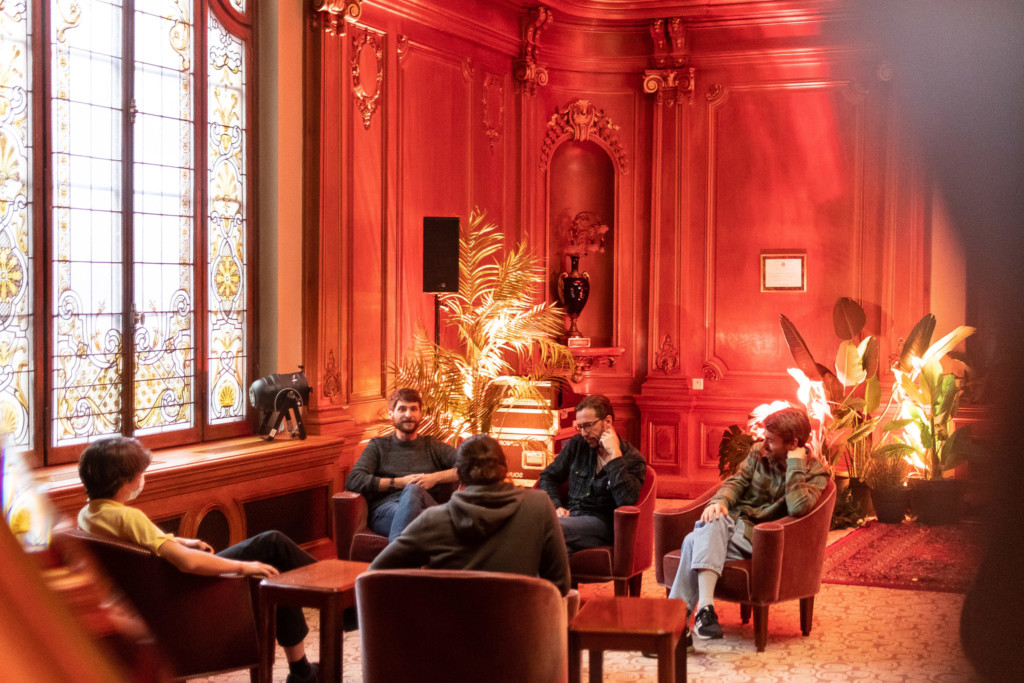
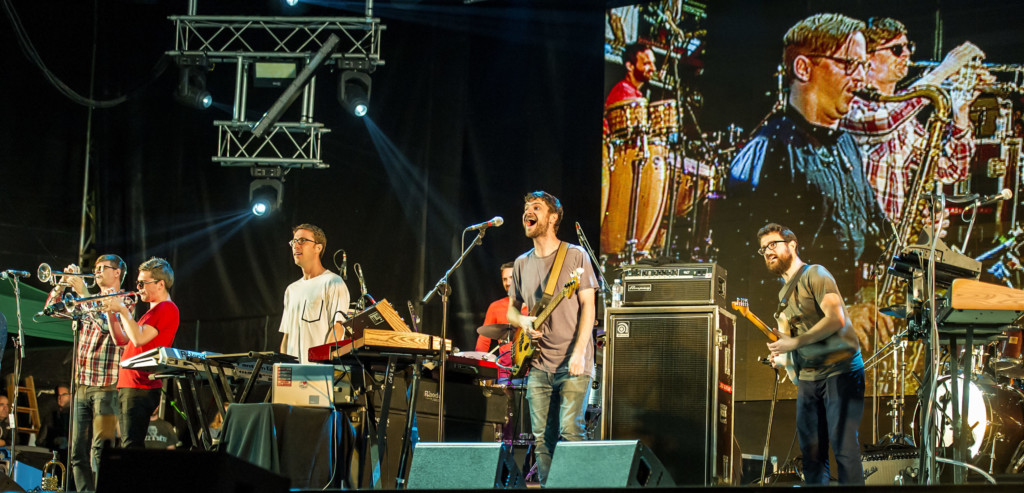
LONG-FORM INTERVIEW, Antoine Bernhard and Max Moeschler | Snarky Puppy is undoubtedly one of the greatest contemporary music groups. Founded in Texas in 2004, the three-time Grammy Award-winning band explores a unique musical genre at the crossroads of jazz, funk, R&B, and so many other styles. As part of the «Autumn of Music» event organized by the Montreux Jazz Festival, we had the chance to meet the three band members, who were at the Montreux Palace for the occasion: Michael League (bass and bandleader), Bill Laurance (keyboards), and Justin Stanton (trumpet and keyboards). It was an exclusive conversation in a magnificent setting! Here, we’ve tried to capture the most interesting parts of our discussion.
The bias is easy: contemporary music, therefore commercial music, therefore bad music. If this formula can be criticized for its simplicity, it would be dishonest to deny it any validity. And yet! It sometimes happens that natural selection operates correctly, offering excellent groups success and fame. Such is the case of Snarky Puppy, an American band that has already won a prestigious Grammy Award three times: last month, they released a remastered and remixed version of their album Tell Your Friends. Let's look back at some of the band's history.
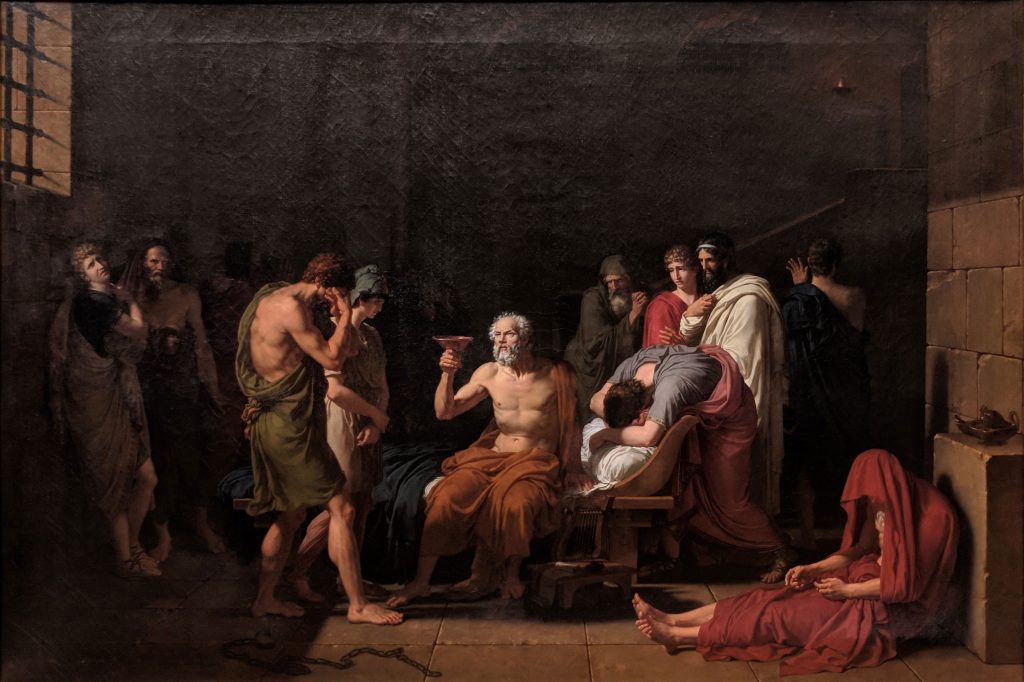
«The Shoah inscribed a decisive crisis at the heart of the 20th century, marking it irrevocably. Cinema was the art of the 20th century», writes Jean-Michel Frodon. So it's easy to see why the seventh art form is an essential part of today's reflection on the Holocaust. Each film on the subject brings with it controversy and debate, but it also casts a new light on the unfathomable mystery of the Shoah, the annihilation of man by man. So what is the strong link between cinema and the Shoah? And how do films illustrate or condition a singular relationship to the event in question?
Catastrophism prevents us from thinking.
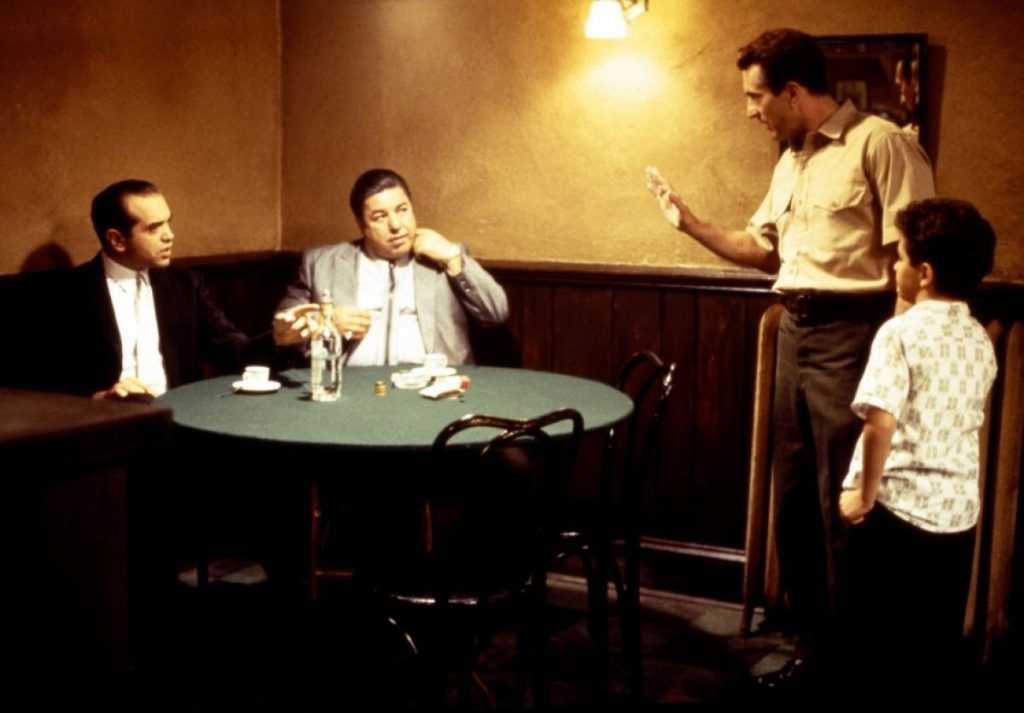
New York, the Bronx, the Sixties
«People are beautiful», a friend of mine sometimes likes to say. That was my first impression of...









 French
  German
  English