



Diving into American neoreaction
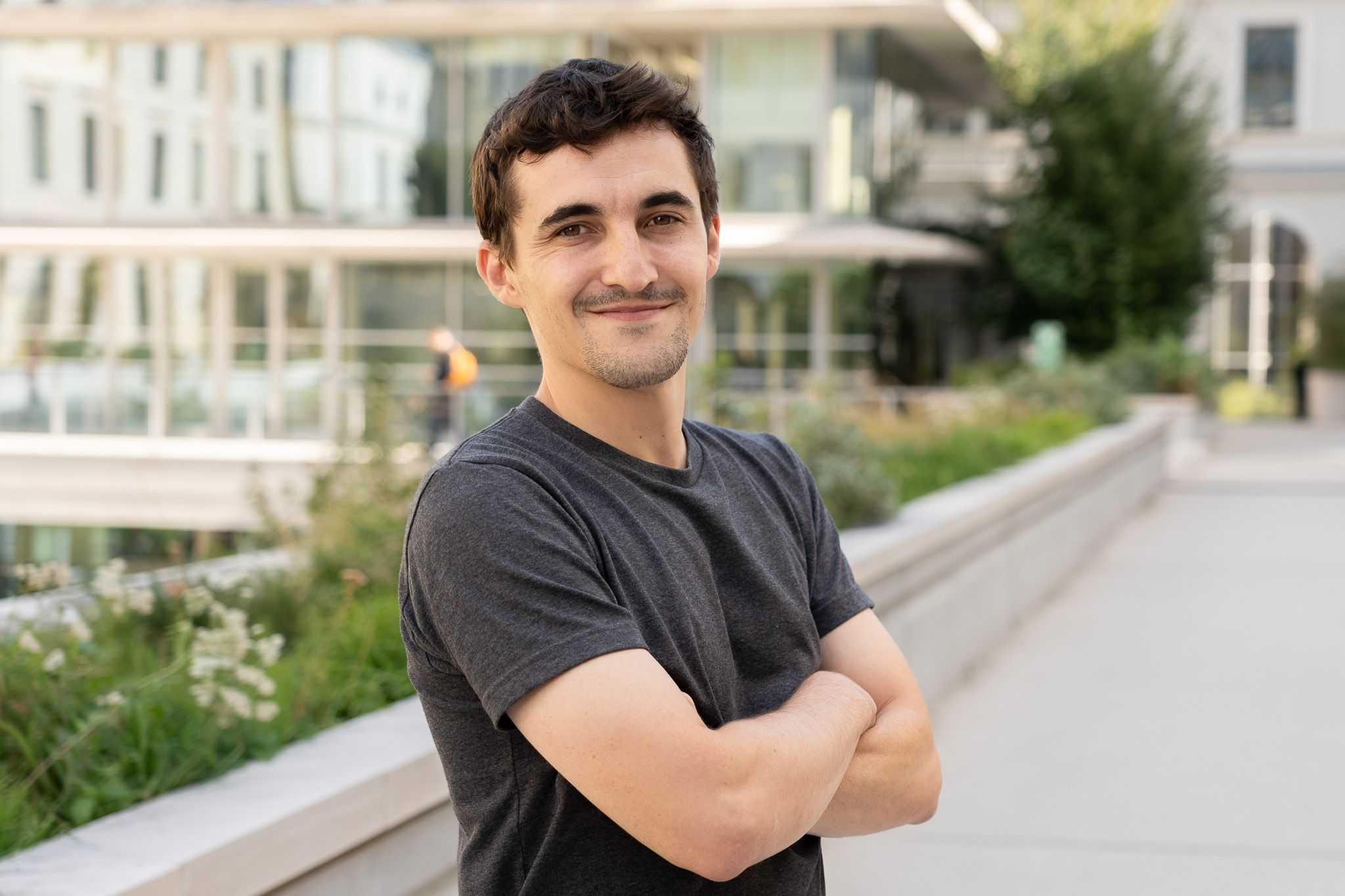
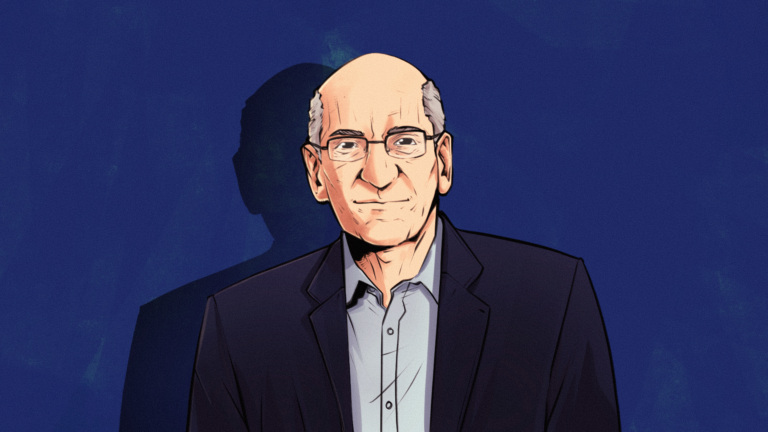
Arnaud Miranda. Photo: Sciences Po
In the shadow of Trumpism, an ideological nebula combining rejection of democracy and technological fascination is gaining visibility. In Dark Lights, political scientist Arnaud Miranda deciphers this still vague but already influential neo-reaction.
There was a time when the American Right offered a relatively straightforward ideological landscape. From the lateth century to the beginning of theth, Two traditions dominate and overlap: conservatism and libertarianism. From Ronald Reagan to George W. Bush, most Republican figures evolved in this intellectual space. Then Donald Trump came along. With him, the map becomes blurred. His two presidencies acted as a gas pedal of ideological recomposition. New sensibilities are emerging on the margins of the Republican party: firstly, the’alt-right, The first is the neo-reaction movement, led by Steve Bannon, followed by the neo-reaction movement, the subject of a stimulating essay by French political scientist Arnaud Miranda: Dark Lights.
Tabula rasa
Reaction differs from conservatism in one essential respect. Where the conservative seeks to preserve the status quo, the reactionary believes that modernity has already gone too far. The aim is no longer to maintain a balance, but to turn the tables. So why speak of «neo »reaction? Miranda shows that this current updates this old posture in a world dominated by technology. Far from being anti-modern like its intellectual ancestors, neoreaction blends political authoritarianism, technofuturism and transhumanist fascination. A mix that owes as much to Joseph de Maistre as to Silicon Valley.
The movement emerged in the late 2000s in the depths of the Internet, through a multitude of blogs, forums and anonymous texts. Miranda calls it a «digital constellation» rather than a structured school of thought. The image is apt: the authors gravitate around a few common ideas without forming a coherent system. Nevertheless, there are several recurring motifs: a detestation of democracy, a pessimistic vision of human nature, the conviction that societies are based on natural hierarchies and an almost mystical faith in technological power.
In this foggy landscape, one name keeps popping up: Curtis Yarvin. A self-taught New York political philosophy blogger, his starting point is two simple observations. The first, very Hobbesian, is that politics is only ever a way of organizing human violence. The second is that the media and universities - the very thing he calls «the Cathedral» - are the vectors of a pervasive progressivism that has become, in his view, the unofficial religion of liberal democracy.
Once these premises are established, democracy is unlikely to survive reasoning. In Yarvin's vision, democracy is no longer an imperfect compromise, but an institutionalized disorder dominated by progressivism. It should therefore be replaced by a monarchical, authoritarian regime designed to guarantee stability and prosperity. The state is seen as a sovereign enterprise administering a territory, led by a hybrid leader between monarch and CEO.
Power margins
If the New Yorker is the most structured figure in this nebula, Miranda also explores its many offshoots: techno-capitalist accelerationism, transhumanism and scientific racism, through figures such as Nick Land, Bronze Age Pervert and Zero HP Lovecraft. The spectrum is broad, often incoherent, sometimes frankly delirious. But behind these differences lies a common obsession: to put an end to liberal democracy.
After years on the digital bangs, some of these ideas have found a political home. Miranda refers to «the targeted building of a network among Republican elites». The bloggers' texts have been joined by those of tech billionaires like Peter Thiel and Marc Andreessen, who have contributed money, networks and visibility. Yarvin has thus become a reference point in certain circles of the American right, to the point of being publicly quoted by Vice President J. D. Vance.
Does this mean that the political future of the United States is neo-reactionary? Miranda is careful not to make any prophecies. On reading the essay, serious doubts remain as to the real influence of this current, so disparate and unstable is its nature. While Vance is happy to quote Yarvin, his background is mostly one of political opportunism, and quoting bloggers is not a program.
So there's no guarantee that neoreaction embodies the future of the Republican camp, while figures like Secretary of State Marco Rubio, traditionally closer to the neoconservative tradition, could represent another face of post-Trumpism. The essay is nonetheless valuable: in a media landscape saturated with approximate labels, taking the time to define ideas remains the first step to understanding political reality.
Journalist and consultant, Pablo Sánchez is an editor at Regard Libre. Write to the author: pablo.sánchez@leregardlibre.com.
You have just read an open-access article from our print edition (Le Regard Libre N°125). Debates, analyses, cultural news: subscribe to support us and access all our content.

Arnaud Miranda
The Dark Enlightenment. Understanding neoreactionary thought
Gallimard / Le Grand Continent
January 2026
176 pages
You'll also like



 French
  German
  English
Leave a comment