



«Last Dance»: when cinema lets the body speak
last dance
Delphine Lehericey's new film, which won an award at the Locarno Film Festival, moves away from drama to offer a sensitive comedy about grief and reconstruction. Last Dance how to balance laughter and tears?
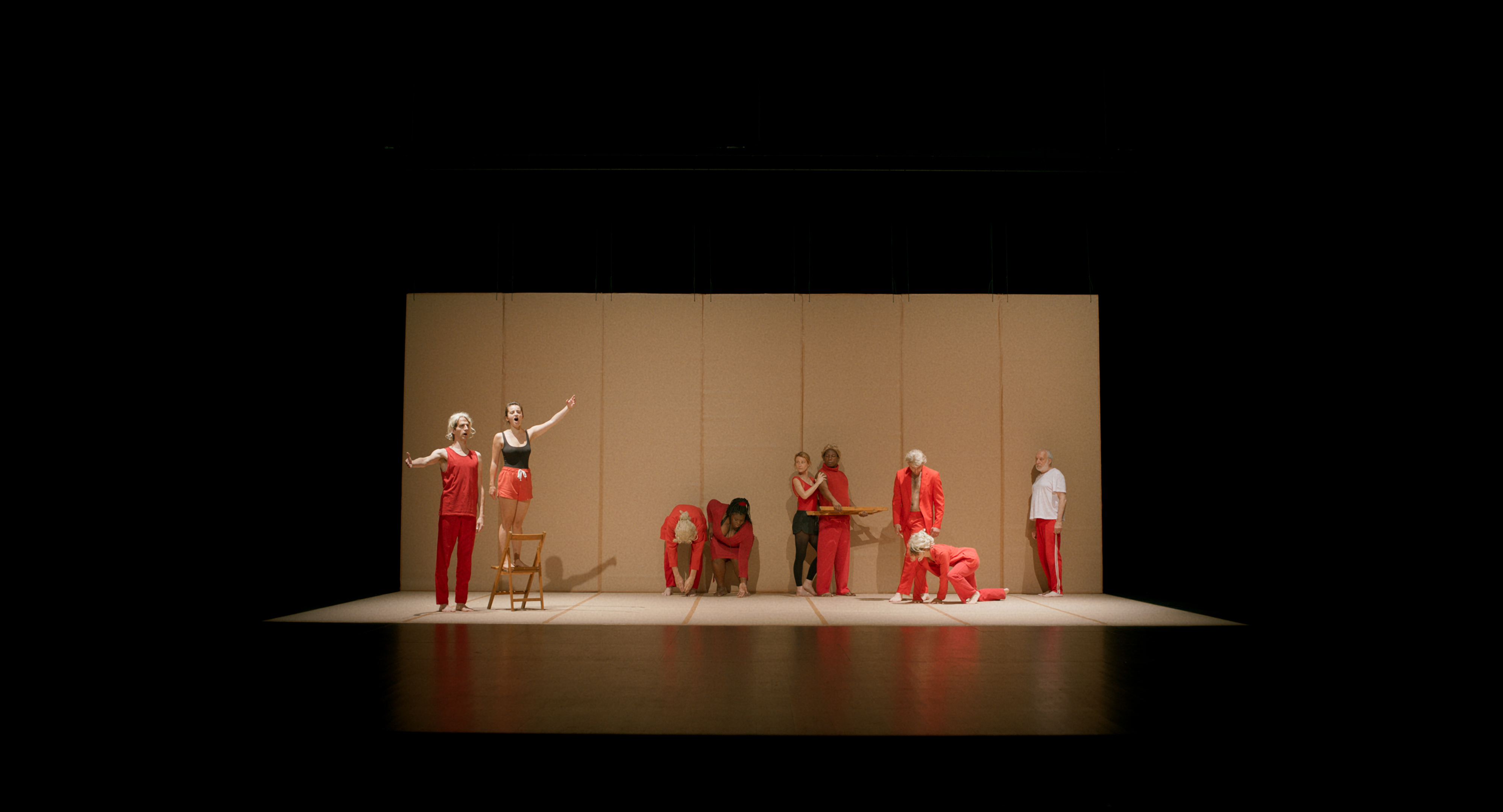
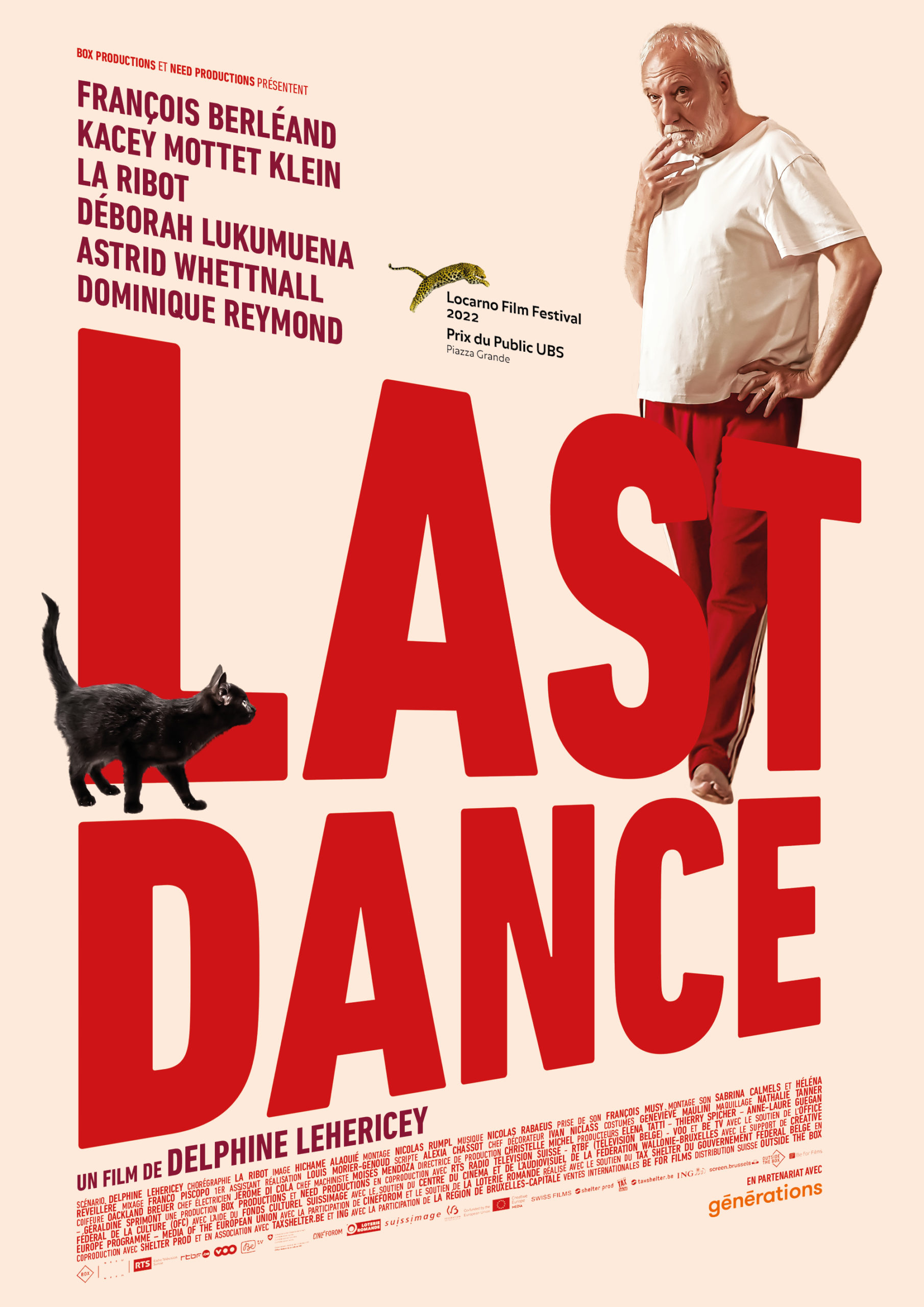
Germain (François Berléand), a morose, misanthropic septuagenarian, suddenly loses his wife. To keep a promise, he secretly joins Maria Ribot's contemporary dance troupe, in which his deceased partner was a member. Germain discovers a new world, where the expression of the body is at the heart of all freedoms.
A film byépouillé
Let's say it right away: Last Dance is neither an ambitious nor an unforgettable film. However, it contains a number of commendable proposals that make it a work worth devoting an hour and a half to.
Let's move on quickly to his staging, which favors discretion and leaves room for the performers to express themselves. Unfortunately, this discretion all too often turns into missed opportunities, especially during the contemporary dance scenes where everything has to be invented. We could have been more creative, experimenting, twisting the means of expression by breaking free from codes, just like contemporary dance. On this aspect, Last Dance is desperately too wise.

More striking and original is the screenplay, reduced to the simplest possible narrative framework. The film multiplies perspectives without ever attempting to transform them into issues: conflicts with the family are merely minor misunderstandings of no consequence, resolved in no time at all. The discrepancy between Germain and the milieu he enters immediately fades away in the face of the characters' general benevolence. Even the performance that the troupe prepares is never more than an accomplishment that requires no particular tensions or sacrifices. Everything is served up on a platter. Last Dance seeks above all to be pleasant - too pleasant - and sacrifices its stakes, its drama and even the difficulty that mourning can embody.
Cinéma and contemporary dance
This simplicity can easily make Last Dance for a poor film. Yet its weaknesses can, with a little good faith, appear as qualities. What's to be made of issues that will be overcome for the umpteenth time? Why bother with conflicts that will eventually be resolved?
In this, the film takes its cue from its subject: contemporary dance, orchestrated here by Maria Ribot. The body is conceived as an object that seeks to express itself; it is alive and directed by an inner rather than an outer will. In other words, it expresses the will of its owner, not the will of a cold, calculated choreography. The film's clever twist is that our grumpy grandfather, who says little about his grief and appears physically tired, is forced to express his emotions through his body. And so, little by little, he reclaims his life and his body, and comes to terms with his grief.
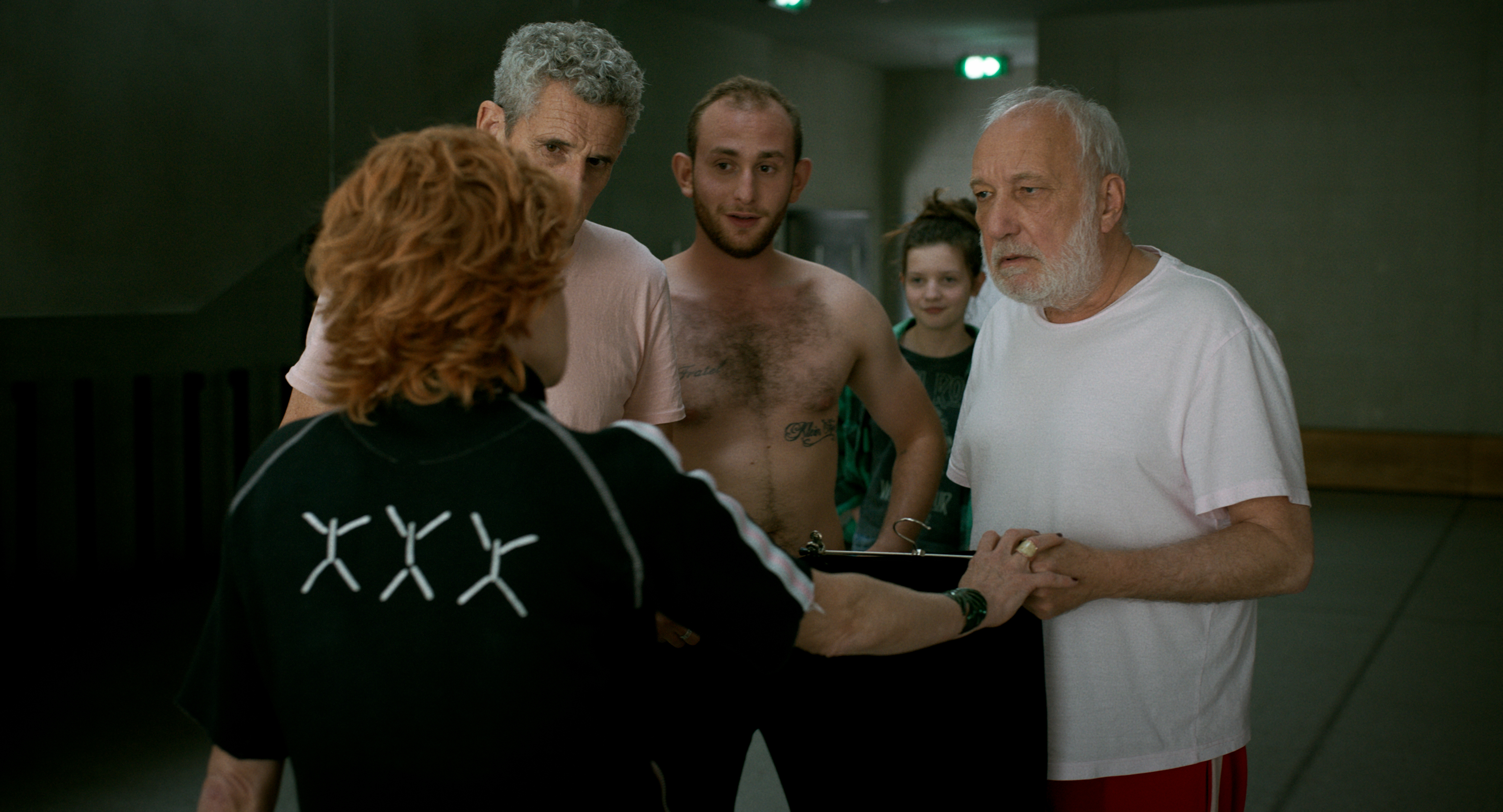
The inaccessibility of the contemporary dance world is a metaphor for Germain's leap into the unknown of a new life. A life without his wife, marked by grief, with unclear objectives, but one that must be invested with new meaning if he is to escape depression. Contemporary dance is also the tool Germain uses to rebuild his life. Not only is the metaphor clever, but it also fits in quite effectively with the popular comedy that Germain wants to be. Last Dance. The only possible regret is the frequent overshadowing of dramatic moments in favor of the desire to make people laugh: viewers are told to have a good time in front of a film about grief.
And while we've accused the film of having few ambitions, we have to admit that it does have one: that of bringing the sometimes closed world of contemporary dance to the screen in a mainstream comedy. It seems a judicious choice to make the film accessible to all on a subject that is not. It's a shame, however, that we don't get to delve a little deeper into the world of contemporary dance. This exploration of contemporary dance remains above all a tool for telling the story of Germain's character, and remains too superficial. But the approach is commendable, and inviting Maria Ribot to play her own role reinforces the film's benevolent approach to its subject.
A comedy about grief and contemporary dance, Last Dance had to make choices if it was to be accessible. It succeeds, even if this may detract from the quality of its direction and the construction of deliberately superficial stakes. And yet, the result is a film that's true to its subject, as it's alive and well, and seeks to express itself outside the codes imposed by the classic screenplay. A film whose modesty suits it.
Write to the author: jordi.gabioud@leregardlibre.com
Last Dance Outside the Box
You've just read an open-access article. Debates, analysis, cultural news: subscribe to support us and get access to all our content!
All images: Last Dance Outside the Box

You'll also like

 French
  German
  English
Leave a comment