




The story of an uneventful «Photographer
Cinema Wednesdays - Loris S. Musumeci
«When you look at this photo later, you'll feel the sun on your face.»
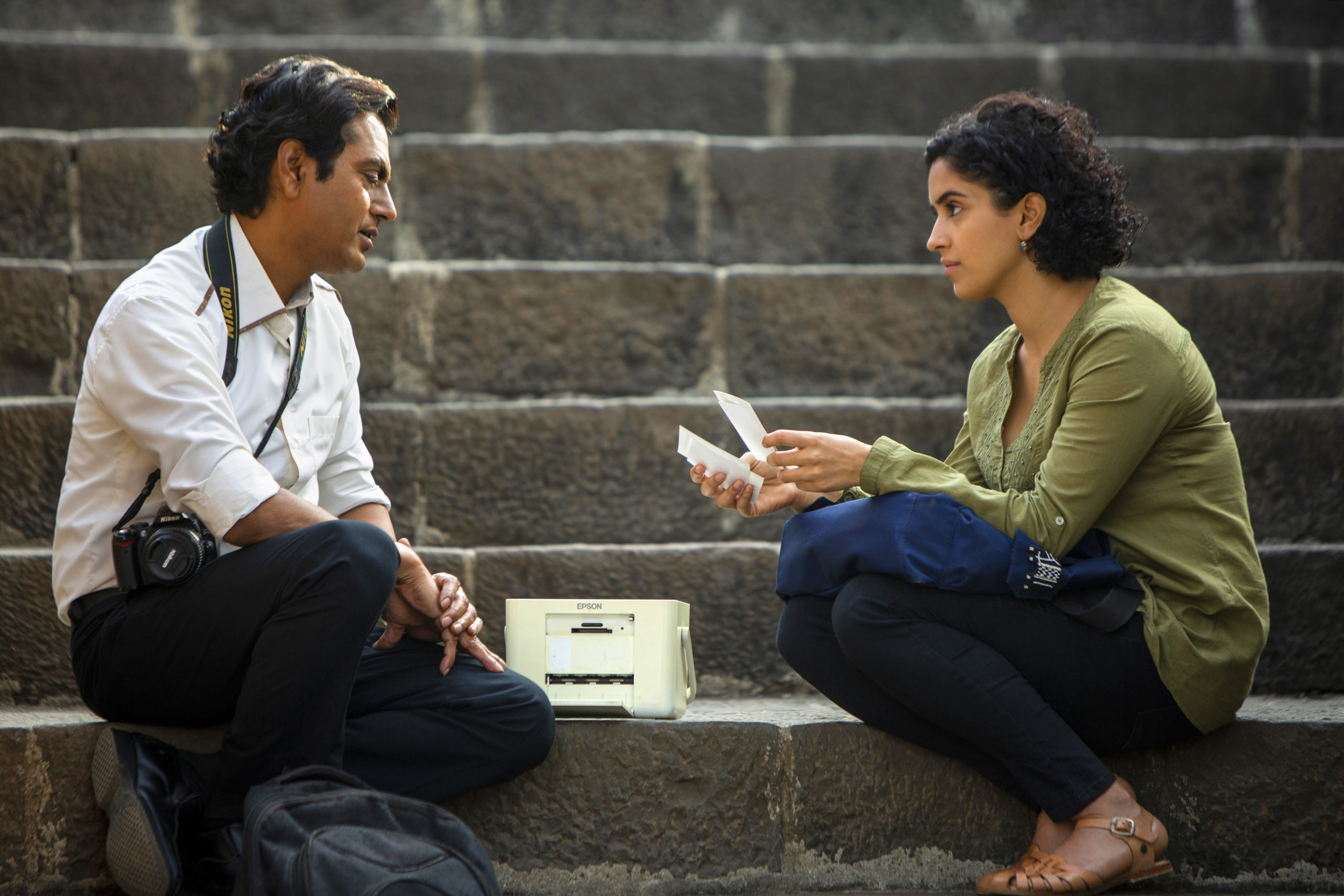
Bombay, Gateway to India. Raphi takes photos of tourists in front of the monument to sell them a souvenir. A precarious job in this age of selfies, but a pleasant one. One day, he comes across Miloni, a local girl. He offers her a photo. She poses, ravishing. She takes the picture and leaves without paying, more out of confusion in the crowd than any desire to steal. Raphi meets Miloni again, through an advertising poster on which she has also posed. The meeting between the two leads to an agreement. He no longer demands the money for the photo, but he needs a favor. She must pretend to be his girlfriend in the eyes of his grandmother, to please and honor her. Miloni agrees. What's not to do for a grandmother who wants her grandson to be happy? Detail: before he knew her real name, the photographer had already told his grandmother that his fiancée's name was Noorie.
Noorie, Noorie
Why Noorie? Because in India, saying the name Noorie is like saying Juliet in our country; Juliet directly evokes the figure of a lover - thank you, Shakespeare! Popular culture thanks to the greatest romance in Indian cinema: Noorie (1979), with its sweet song Aaja Re O Mere Dilbar. Peaceful title in the image of Photographer which pays tribute to him in passing. Which is as peaceful as it is slow and meditative. Ritesh Batra's direction focuses on one essential point: long shots. Fixed, focusing on the characters, in this case Raphi or Miloni, who are thinking a little about everything, a little about nothing.
In addition to their slow pace, the scenes play a lot with blur. Without getting too technical, we simply note that the blur drawn around the character highlights him or her in a rather banal way. Apart from that, these images are simply beautiful to look at. The film tells the story of a photographer; the director's gaze is also that of a photographer. Photographs of an India full of color, dreams, thoughts, sunshine and the slow flow of the Ganges.
The real India
An India that's just as familiar with pollution and dirt. Especially in Bombay. Yet the film manages to show us the contrast between grace and filth in perfect harmony. Because this is India. Buildings, temples; prayer flags fluttering in the wind, litter stalking the streets; noble fabrics in the colors of paradise, jeans. This is the real India. With its folk songs, sitar ballads, spicy melodies, fragrances, sweaty workers, messy markets, dilapidated buildings, festivals, joy, peace and injustice.
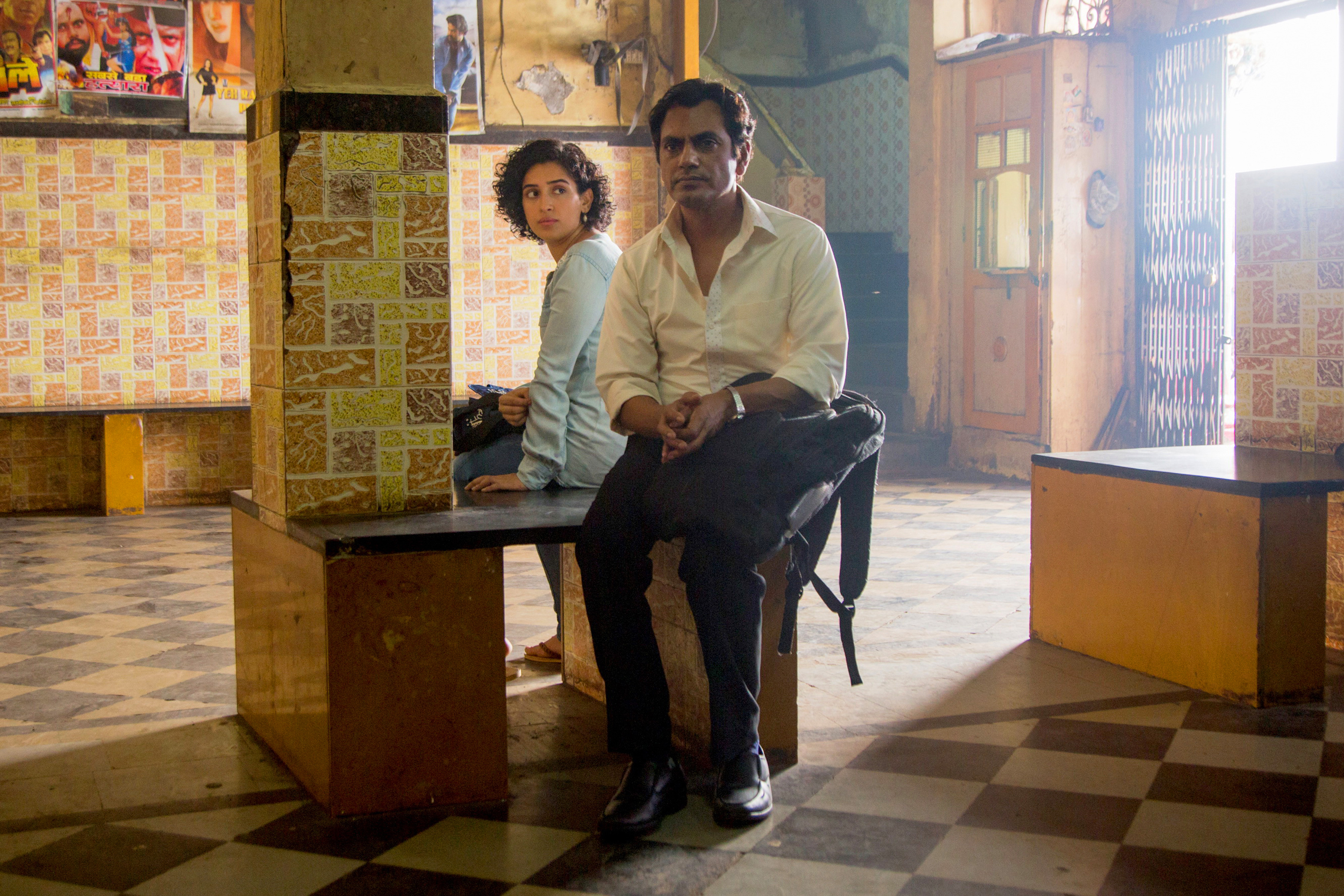
The Photographer paints a portrait of all those characteristics that make India. Quietly. Without any real adventures. So much so, in fact, that the film becomes dull at times, and feels as if it never got off the ground. But that's not too bad, as the charm catches up with us. The charm is also due to the rarity of such a scenario. Nothing happens, except that love is born little by little. No grand declarations, no explosive feelings. Raphi and Miloni, by dint of pretending, begin to really like each other. Without spoiling any expectations or surprises, we know that such a relationship is not possible. A street photographer and a girl from a good family are not meant to be in love, especially not in India. Raphi is well aware of this. She marries the husband her parents suggest. He'll remain a photographer without a fuss, without Noorie. Unless...
Write to the author: loris.musumeci@leregardlibre.com
Photo credit: © Filmcoopi

You'll also like

 French
  German
  English
Leave a comment