



«Maria by Callas»
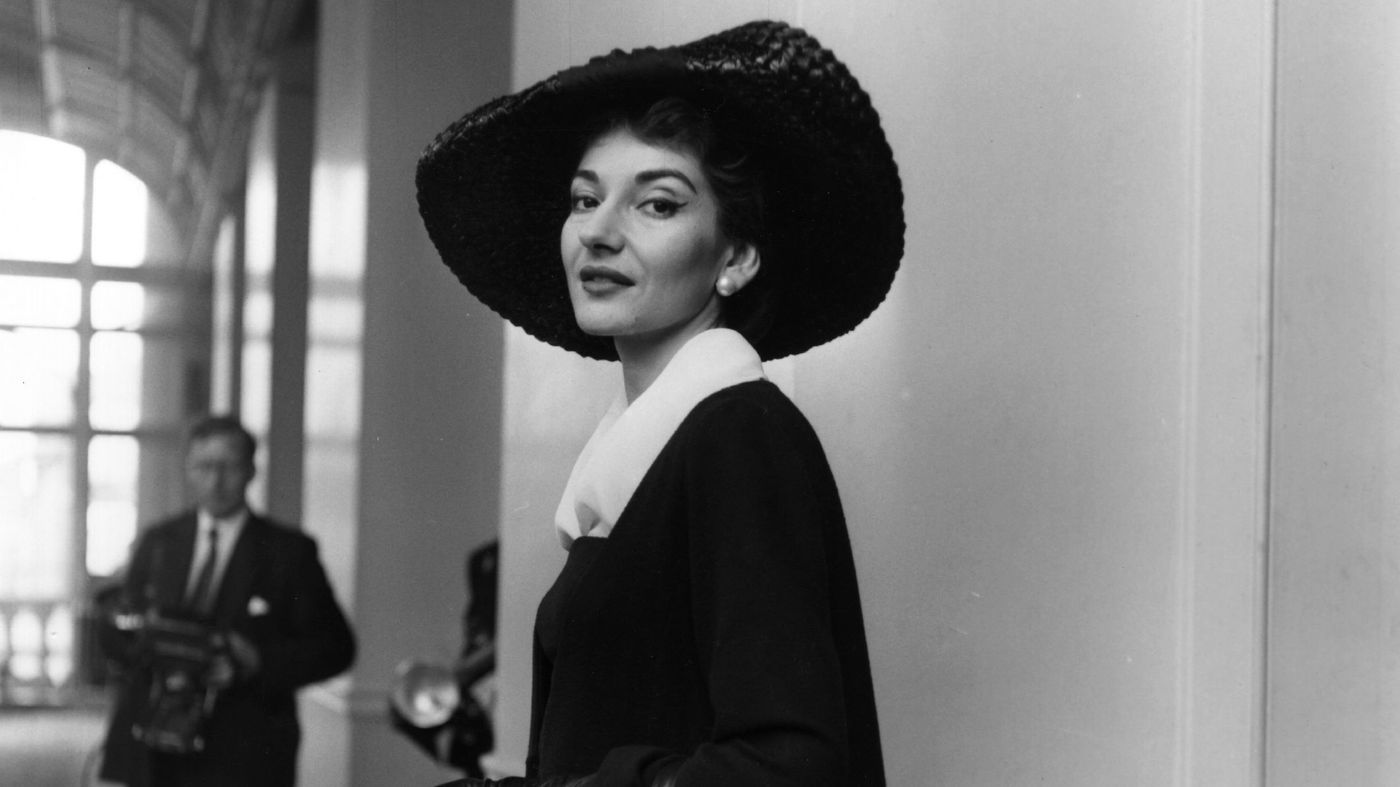
Maria Callas: a vocal chameleon, a staple of the gossip columns, and an influential opera icon.
Cinema Wednesdays - Hélène Lavoyer
«Where speech ceases, music begins,» said the admirable Hoffman. And truly music is too great a thing to be able to talk about, but, on the other hand, one can always serve it and always respect it with Humility; singing for me is not an act of Pride but only an attempt to elevate myself to those heavens where all is harmony."
It was in January 2013, alone in his hotel room, that Tom Volf discovered Maria Callas, the great soprano of the 20th century.th century. Barely had he been introduced to the world of opera at the time, and a genuine passion for the singer was born, inspiring him to embark on a gargantuan project: to make «the» Callas speak, in his own words, and open up to the public the person he discovered, different in many ways from the one portrayed by the media of the time.
After years of research, collecting archives from the four corners of the globe, Tom Volf has become one of the world's leading Maria Callas specialists. Reluctant to talk to journalists, family members open up to him and entrust him with private documents such as letters, photos and films.
And so, in 2017, the year of the 40thth On the anniversary of Ms. Callas’s death, Tom Volf published three books through different publishing houses: Maria by Callas, Callas Confidential and Unfinished Letters and Memoirs as well as a gift set Callas Live featuring recordings of his concerts, and an exhibition—also titled Maria by Callas – dedicated to the opera singer. On December 27, as the icing on the cake, the documentary film was released in theaters Maria by Callas: In Her Own Words.
A world-renowned soprano, a woman of great depth yet with a complex duality, Maria Callas was one of the most closely watched women of the 20th centuryth century. Her unique voice, so full of personality, went hand in hand with her exceptional, highly expressive stage presence, and discovering this woman through the documentary directed by Tom Volf is a truly invaluable experience.
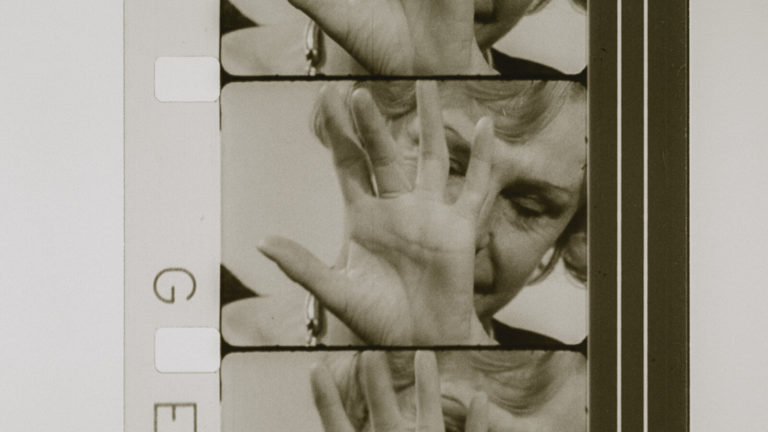
The film, composed of archival footage gathered over the years, chronologically traces Callas's life. We get to know her little by little, in his own words as she reveals herself through interviews, videos, and—these intimate gems—Fanny Ardant’s reading of a few of the four hundred letters Maria Callas sent to her loved ones. Only Elvira de Hidalgo, her teacher and confidante from the moment she entered the Athens Conservatory, is given a voice—perhaps because of what she symbolized to her student.
As for speech, its uniqueness makes it possible to meet Callas, to trace her evolution while gaining an understanding of the woman she was. Her words—always honest, full of insight and personal experience—reveal the true Callas, the one whom the media of the time had repeatedly sought to vilify.
Despite the high quality of the footage, we regret the poor sound quality. Particularly during the first twenty minutes of the screening, the dialogue is too quiet for the audience to fully grasp its meaning. The highest notes sung by the great Callas, on the other hand, are amplified to excess, causing an unpleasant vibration in the eardrums.
Furthermore, the patchwork of photos and videos that make up the film often feels disorganized, creating a sense of chaos. This may be due to the sheer volume of footage available to the filmmaker—who initially intended to produce a longer documentary, a testament to the amount of material at his disposal.
We still feel a deep sense of unease when images of Mr. Onassis—her great love at the time—accompanied by Jacky Kennedy appear alongside the reading of a love letter that Maria once sent him. To superimpose these tender, intimate words onto images of the betrayal of her life was, in our view, extremely tactless.
Ultimately, we consider Tom Volf’s film project a success, although it would work just as well on television as it does in the theater. His challenge—to introduce us to the Callas he discovered and loved, and for whom he remains so passionate today—is a success. Her evolution unfolds subtly, and her life offers us a chance to take a step back and reflect on our own.
As she leaves the theater, Maria Callas is no longer the diva cloaked in lavish garments and glory, but a woman who is powerfully true to herself—indomitable yet fair, an artist, a philosopher without realizing it, a mystic without intending to be.
Write to the author : lavoyer.helene@gmail.com
Photo credit: © NPR
You'll also like


 French
  German
  English
Leave a comment