




«Gone with the wind», and the earth remains
Cinema Wednesdays - Special edition: Love in the movies - Loris S. Musumeci
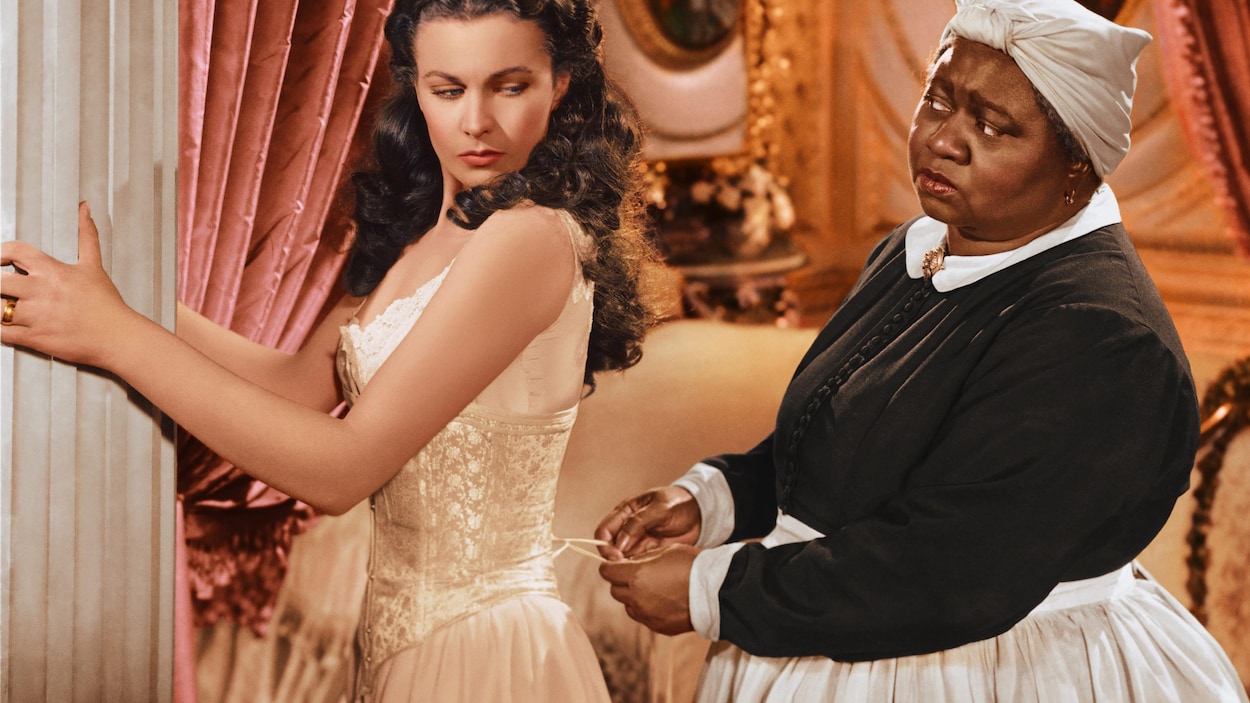
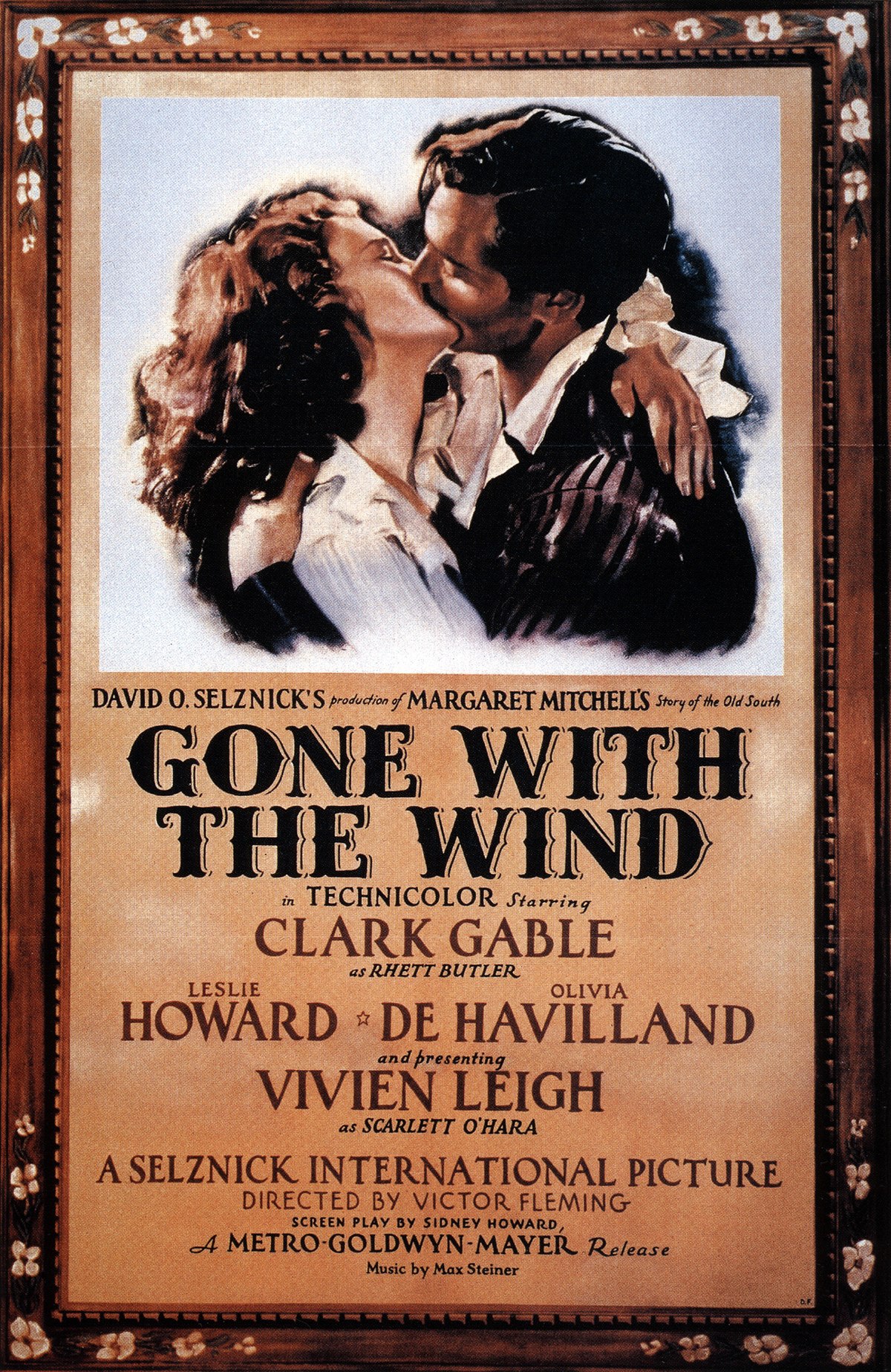
Adapted from the novel of the same name by Margaret Mitchell, Gone with the wind (Gone with the wind) was a hit when it was released in 1939. Today, it remains one of the greatest films in cinema history. Four glorious hours of epic (and very) feature film, in searing colors, with Max Steiner's grandiose score and dazzling, cult lines, recount the end of a world that, despite everything, leaves an unceasing wind of nostalgia in the American sky.
«The end is coming. The end of the war. And the end of our world.»
A love story, an American story
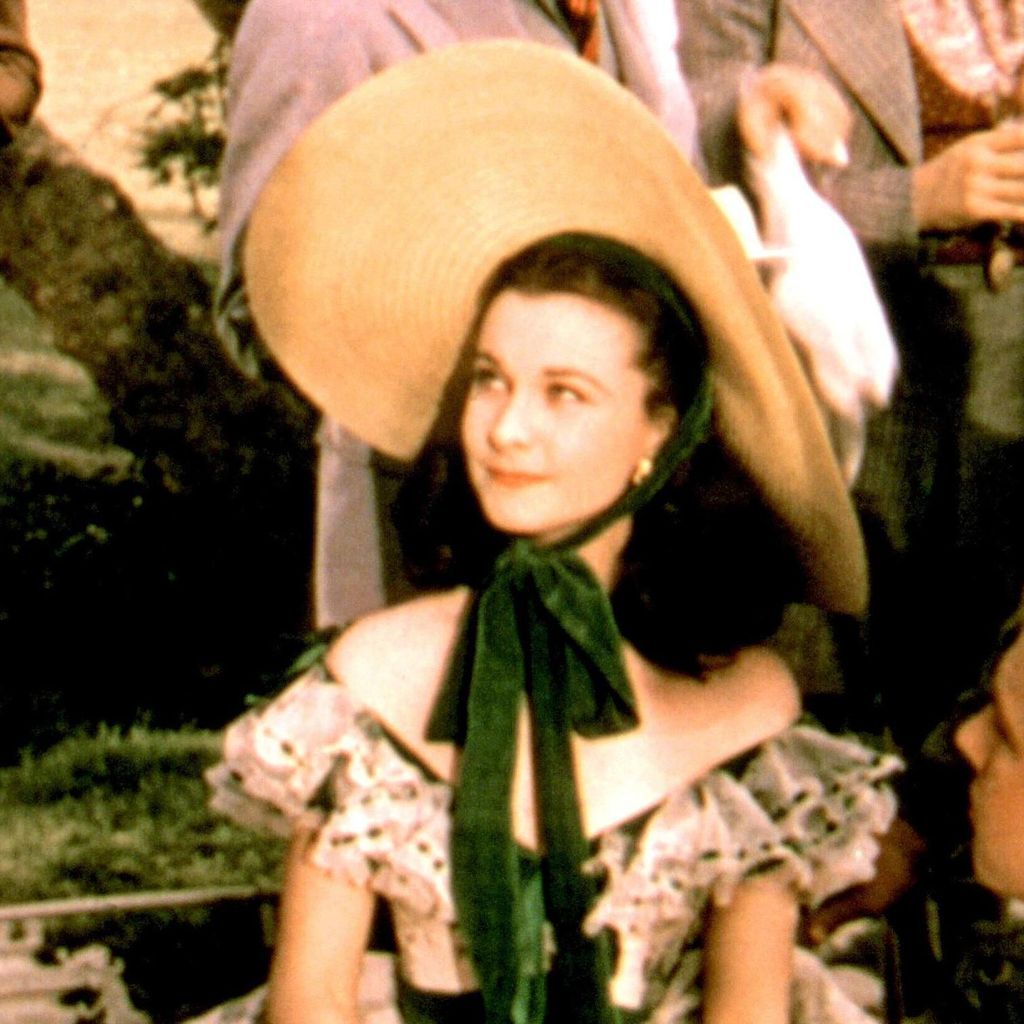
Tara Estate. In a proud Georgia as Southern as it is Confederate. 1861. We're with Scarlett O'Hara on the eve of Abraham Lincoln's declaration of the bloody American Civil War. Sixteen years old, she dreams of getting married. All the handsome boys from Georgia's good families are courting her. Except one, Ashley Wilkes, who, just as much in love with her as the others, sticks to his promise of marriage to his cousin Melanie Hamilton. But Scarlett, selective, manipulative and capricious, only wants Ashley. The Wilkes family throws a party the next day, to which the O'Haras are obviously invited. It's the perfect opportunity to declare his love for her. He can't resist.
However, he resists the first advances. Especially as he plans to announce his forthcoming marriage to the good and virtuous Melanie at the reception. Before the damage is done, Scarlett lures Ashley into a drawing room where they can finally be alone. She tells him how much she loves him, and he wavers, but holds on to his honor. Rhett Butler, a maverick, dandyish, totally chic belladonna, has heard it all; he gently mocks Scarlett. Humiliated, she declares her hatred for him as if declaring war. He's already fallen for her. They part, her screaming, him laughing.
Ashley is going to marry Melanie—the announcement is made in front of everyone. On the very evening of the reception, war is declared. Melanie and Ashley therefore move up their wedding date. Scarlett, consumed by jealousy, seduces Melanie’s brother—who is foolishly full of himself—and they get married too. The men leave for the front. Scarlett is immediately widowed; it doesn’t bother her—she’d only seen her husband twice, and it’s Ashley she loves. The war continues and goes from bad to worse for the Southerners. Scarlett joins Melanie—whom she respects despite her jealousy—in Atlanta. The two women hope for only one thing: that Ashley will return to them. When the war ends, the defeated South faces misery and subjugation. Famine.
Scarlett, with the strongest character of all, takes over the family reins. In debt, she returns to that vulgar Rhett Butler, whom she had rebuffed every time she approached the salon during the war. She never forgot that he had helped her flee Atlanta just before the end of the war. By marrying him, she'll become rich and finally satisfy this poor man's heart. But Scarlett's heart is still set on Ashley, or so she thinks. Rhett's jealousy is over. So much so that he no longer sees Scarlett's expressions of affection. It's a love tragedy waiting to explode.
«Our life has been one cruel misunderstanding.»
Political warfare and the war of hearts
Gone with the wind tells the story of two wars: the American Civil War and the war of misunderstood hearts. In the end, these two wars become one in the film. So much do they influence the narrative of one and the other respectively. Ultimately, the accumulation of misunderstandings in love can be compared to war at its most absurd. «At the end of a war, you don't really know what you fought for.»
Divided into four periods, in four shades of color, the film is really all about these two wars. But it speaks of them from every angle. In this way, the film is an epic and a cultural foundation for the history of the United States of America. The first period, with its clear blue skies and verdant lands, tells the story of an American dream: the prosperity of migrants arriving in generous lands.
The second period is dominated by the bright red of fire, blood and war. It exposes the misery of women and children who see everything burn before their eyes, while men gradually make them all widows or orphans. This is the film's most brilliant period for photography. The red sky reflected in its equally red earth reflects not just misery and self-pity, but the will to fight, and to pull through at all costs. A tribute to the strength of the pioneers who made America, at least for a few decades, a painful paradise, but a paradise nonetheless.
Then there's the post-war period, in which the red of the desire to resist fades. It's dominated by a dry, bloody brown. Strength doesn't exclude the pain of standing up. And still in this third period, it's back to light tones. Wealth for Scarlett, who married Rhett. Tara's estate is going strong. The couple moves with part of the family to Atlanta to expand their business.
And now the fourth act rumbles in the darkness. Romantic instability, in turn, creates unbearable misery. Scarlett doesn’t realize she loves Rhett. Rhett doesn’t realize he loves Scarlett. The Greek tragedy becomes an American tragedy—and a universal one. Passion is a poor advisor. It clouds everyone’s judgment. It kills—not in the way the viewer might expect, but in a far more realistic way. When the hope of success finally fades, red returns for the final scene. A red sky that is always reflected in the earth. The earth—that sole certainty. The only certainty. The only companion. The earth that remains after the wars. With each new civilization, which will in turn be swept away by the wind.
«All this exists now only in dreams. The wind has blown this civilization away.»
Write to the author: [email protected]
Photo credit: © Warner Bros
You'll also like




 French
 German
 English
Leave a comment