




«Lost in Translation» is art with a twist
Cinema Wednesdays - Special edition: Sofia Coppola - Loris S. Musumeci
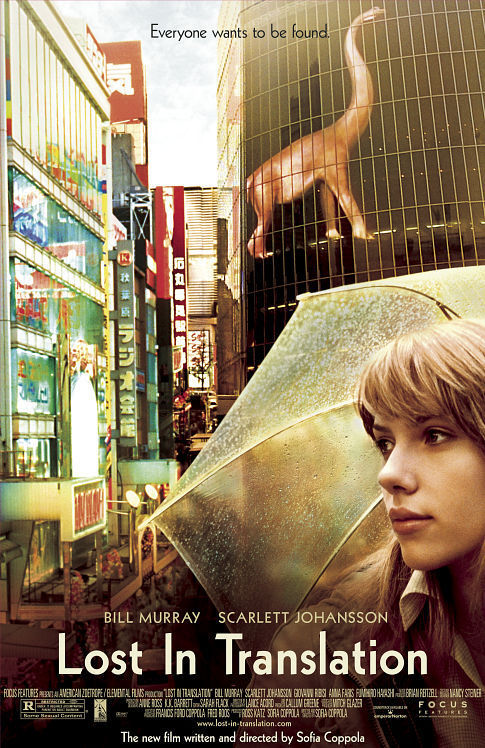
Kitsch is art. Humor, too. Drama, of course. Not to mention the art of translation... Lost in Translation, Sofia Coppola's second feature film is art. Kitsch, funny, dramatic art. An art that has won the Oscar for Best Original Screenplay, among other prizes. A discreet film, a film that doesn't pay much attention, a film a little lost in the world of cinema, a little like its characters, who are lost too. Lost in Translation. Lost at all.
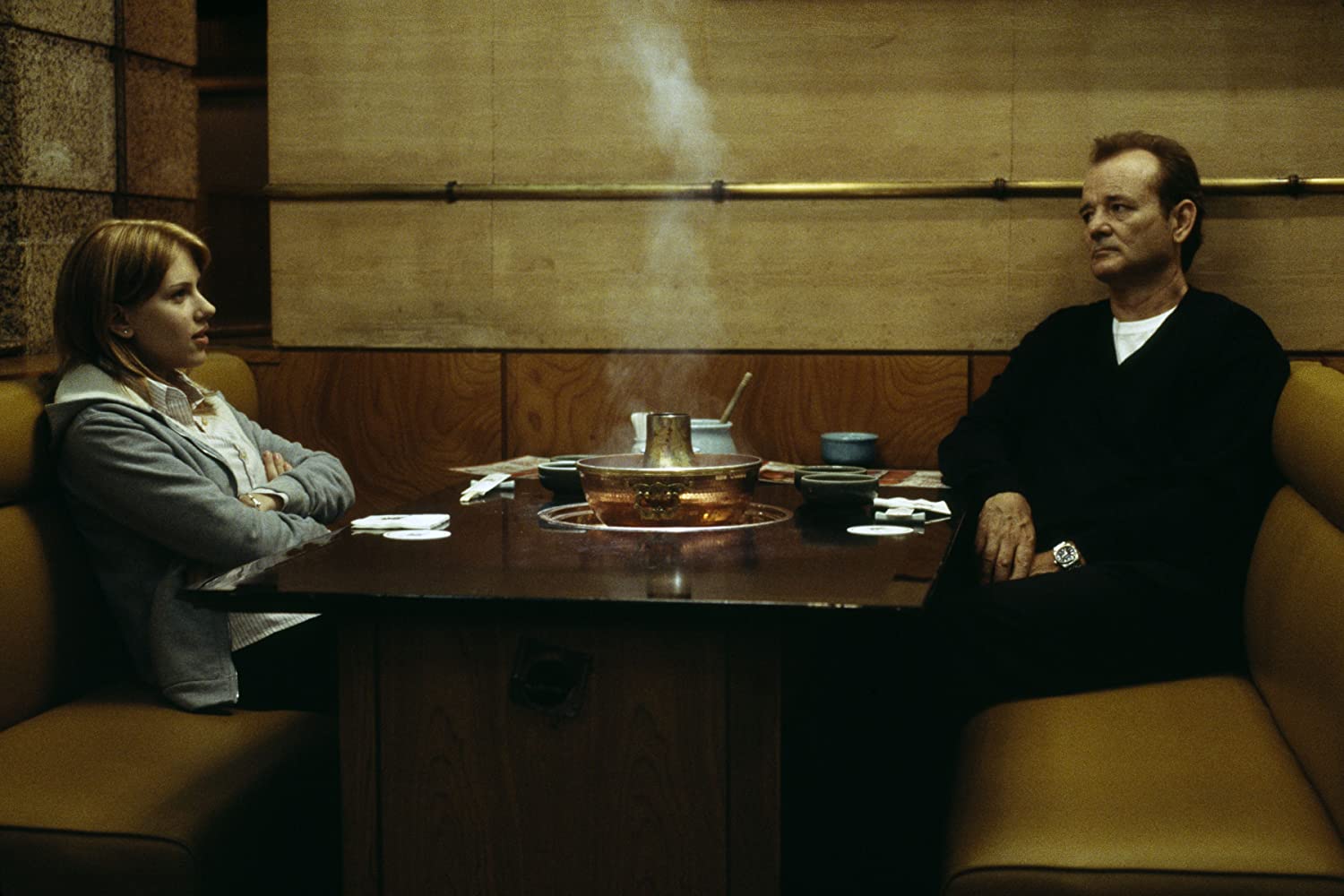
The film lives up to its title. Lost in translation, is about two lost characters, lost in translation. And in a culture that's foreign to them, with customs they're not used to. At a time in their lives when they no longer know where they stand. Bob Harris (Bill Murray) and Charlotte (Scarlett Johansson) meet by chance in a Tokyo hotel. He, an American actor, is there for an advertising campaign. «Take the time to relax a bit, take the time for a Suntory.» It's clearly a pain in the ass to indulge in the grotesque spectacle of a very kitschy, very Japanese ad, but he's being paid handsomely to do it.
And Charlotte, well... she does nothing. Except accompany her photographer husband, who doesn't consider her, who only thinks of his work. Charlotte and Bob are lost, Charlotte and Bob meet, they become friends, they find each other, they free themselves. End of story. A friendship on the edge of love in Japanese pop culture. A friendship between two lost characters. A friendship that needs no translation. Because we understand each other by looking at each other. Because we understand each other when we spend time together. Because we understand each other, even if we're lost. Because we understand, because we're lost. And we find each other. Together. We free ourselves. We live at last.
Sofia Coppola, Scarlett Johansson and Bill Murray
Oscar for Best Original Screenplay, for a very small screenplay. A little doesn't mean nothing. It means simple. Yes, because two lost people meeting in a hotel is simple. «But for me it means a lot,» as the other guy would say when’he played the piano standing up. It means a lot, because it's all there. Because I see myself in it. Both feel out of step. And anyone who feels out of step finds themselves in them. Feeling out of place, feeling different, feeling different. Feeling out of place. But in fact, no matter where you are, you can fit in - you just have to see how I can fit in. my place. Right here, right now.
In this way, Bob and Charlotte, who literally annoy each other, find their place. They find it in the friendship they create. They create this friendship in a setting that is not only foreign to them, but also strange. And it's in the construction of this setting that Sofia Coppola is brilliant, and it's in playing the two characters in this setting that Bill Murray and Scarlett Johansson are brilliant.

The director's work can be summed up in a few words. Which are already a lot. For this film, she drew inspiration from her own travels in Japan. No doubt she, too, had felt somewhat out of step... A few things are already a lot, because a film is a lot of things. loser, It's easy to imagine. We're all a bit losers. But to be placed in a very precise setting, to show exactly what makes them feel. losers, it's something else. And Ms. Coppola succeeds. She creates a completely kitsch universe. And just right. With the right look.
Sign lights in Tokyo, games like pinball, very oppressive game rooms, very garish colors, very unbearable noise. And Buddhist temples, where Charlotte tries to find salvation for her soul, which are so spiritual, so profound, so unbearable. thingy, that she feels stupid not to be affected. And film sets for the advertising’ of whiskey, where Bob doesn't understand a word he's being told, yet has to keep a straight face, play a role. The role of big american actor, the starlet whore who knows how to show off in any situation, who raises her left eyebrow to look classy, classy and classy. self-confident, the «Jammesse Booondeeee» - as they say Jap’ - you see?
This work is Sofia Coppola, with Bill Murray and Scarlett Johansson. They play the bewilderment to perfection. Scarlett is always on the verge of tears, but when she meets Bill's character, things change. Bill is always on the verge of a nervous breakdown, but when he meets the young woman played by Scarlett, that changes too. What does this meeting change? Not much, really. Except that the two understand each other. Except that the two, with no particular plans or aspirations, decide to have a little fun, to let loose. To help each other.
Mutual aid, friendship and love
Entraider... What does that mean? It means nothing. Well, almost nothing. The two don't have to help each other, just spend time together. Getting drunk at nightclubs in the Japanese capital, having a blast at karaoke, having a good laugh, watching the world go by. La Dolce Vita by Fellini - with Japanese subtitles - together on the dingy TV set of a luxurious hotel.
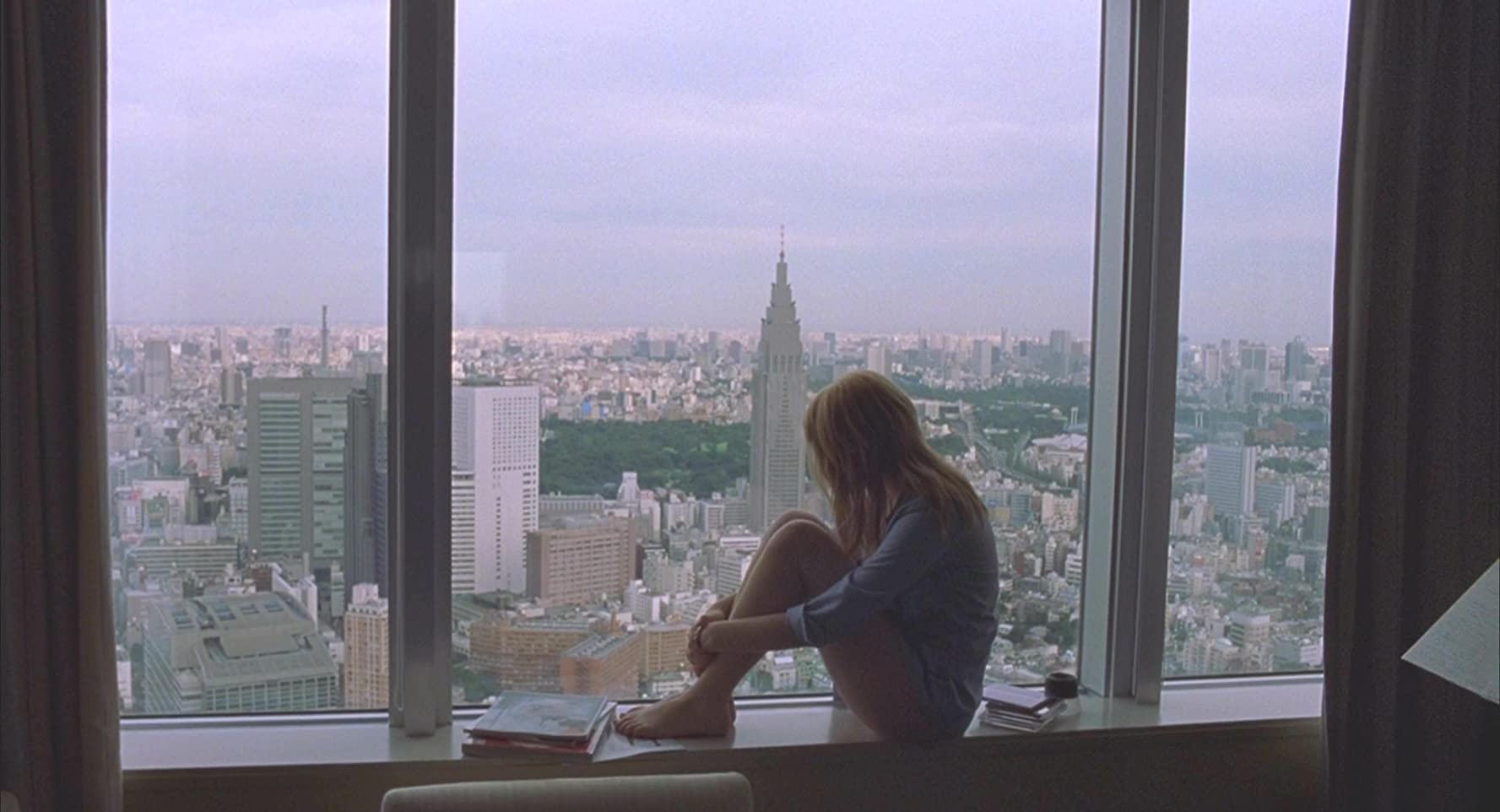
That's how I see friendship, a fortiori love. Understanding each other, without understanding why. Knowing everything about each other's moods, without knowing why. Hugging each other, with no hope of tomorrow. The big plus of Lost in Translation, is to place the birth of a friendship at the frontiers of a love, which remains platonic, in the gap. A shift in language, which suffers from the absence of a real translation. Out of step with a culture whose codes we lose our way in. An existence running out of steam. A shift, oh a shift, that sets us back. All this, in a Tokyo filmed handheld, or from the window of a cab. In a Tokyo that burns and moves. In a Tokyo so kitsch, it's hard to resist. enkitsche. Who cares? As long as we love each other, discover each other. And live. At last.
Write to the author : loris.musumeci@leregardlibre.com
Photo credit: © Focus Features
You'll also like


 French
  German
  English
Leave a comment