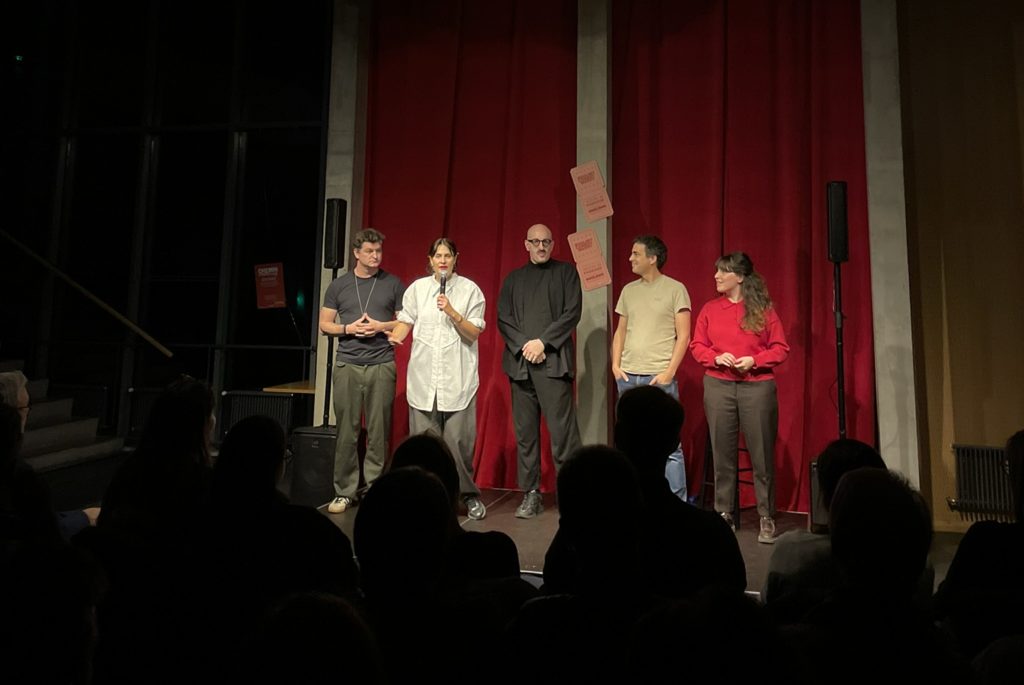
In Neuchâtel, the Théâtre du Passage opens its brasserie to French-speaking humor with the Boulimy Comedy Mardy. Five artists take it in turns to perform an hour of raw, complicit stand-up, driven by a close relationship with the audience - despite a more mixed reception in theatres.
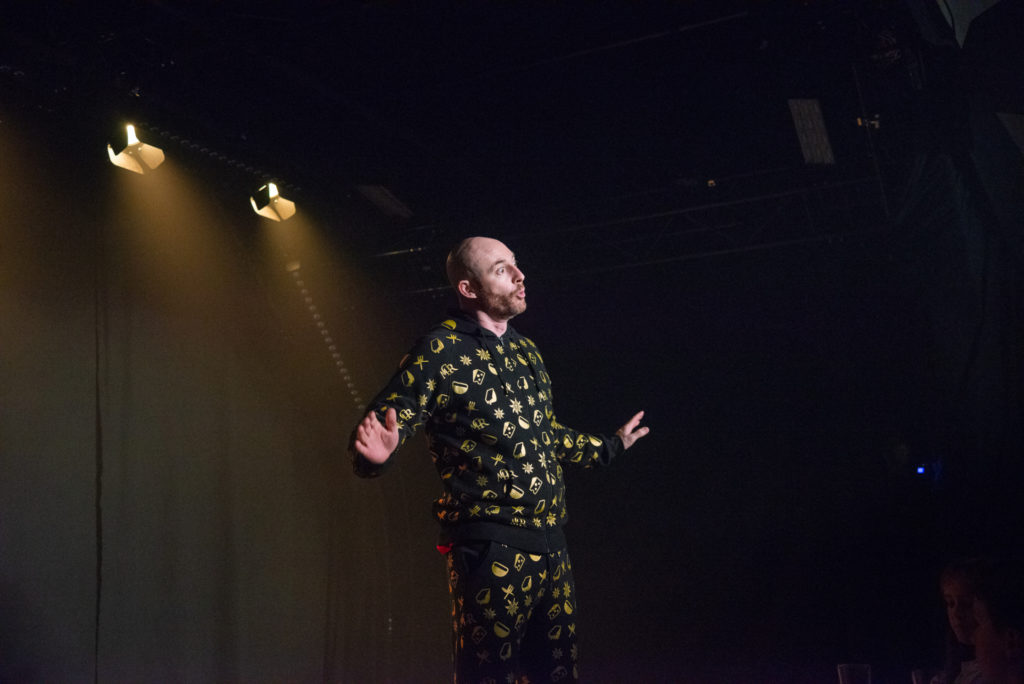
It was in a clandestine theater in the heart of Neuchâtel that David Charles, real name, inaugurated his third one-man show. A blend of musical performance and stand-up, «Qu'est-ce que j'ai fait pour en arriver là?» is as explosive as it is intimate.
«Il n’y a pas de film comique qui ne soit contestataire, on ne peut pas faire un film comique charmant.» Ce sont les mots prononcés par l’une des plus grandes figures comiques du cinéma, Jacques Tati, en 1979 lors de son entretien avec les «Cahiers du cinéma». Mais le cinéma comique semble aujourd’hui avoir basculé: pour être contestataire, il doit être charmant. Analyse.
Après avoir sorti il y a quelques mois un sketch de sa série «TOC!» publiée par Le Temps qui a...
Should we see it? Of course.
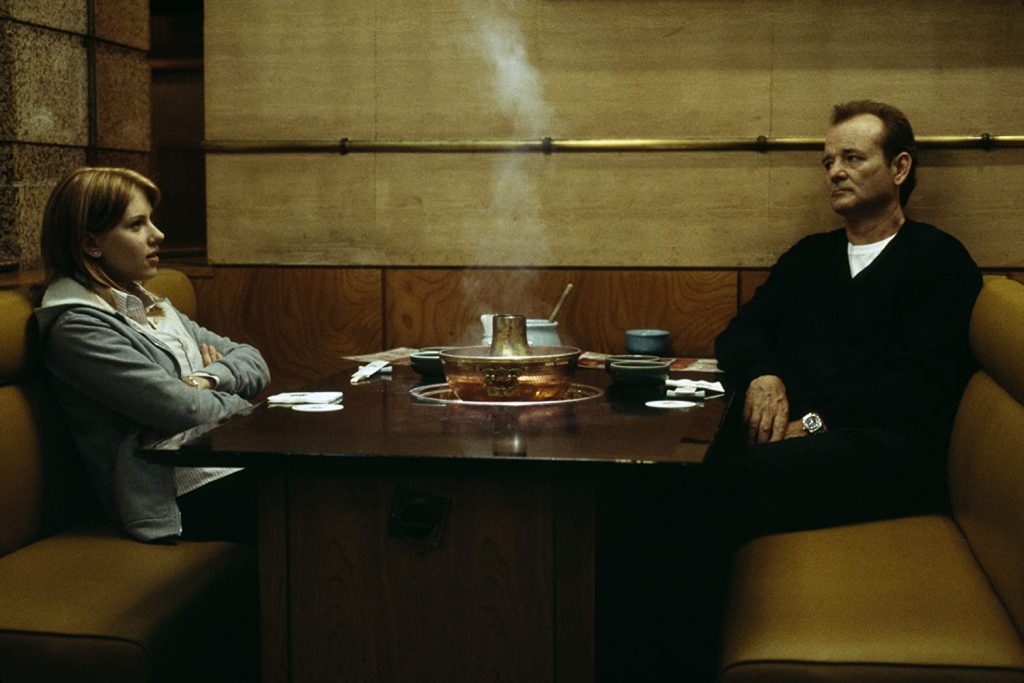
Two lost characters who find each other
According to sociologist Michel Maffesoli, who spoke on the March 9 edition of «Face à l'info», we find ourselves at the crossroads of two eras: a time of quantity may be returning to a time of quality. If so, perhaps the 21st century will be that of the novel, which alone is capable of expressing unquantifiable truths. In many respects, and perhaps surprisingly, «99 francs», Frédéric Beigbeder's novel denouncing the tyranny of advertising and inaugurating the trilogy featuring Octave Parango, can be read according to this very conception of the novel - that of Milan Kundera.
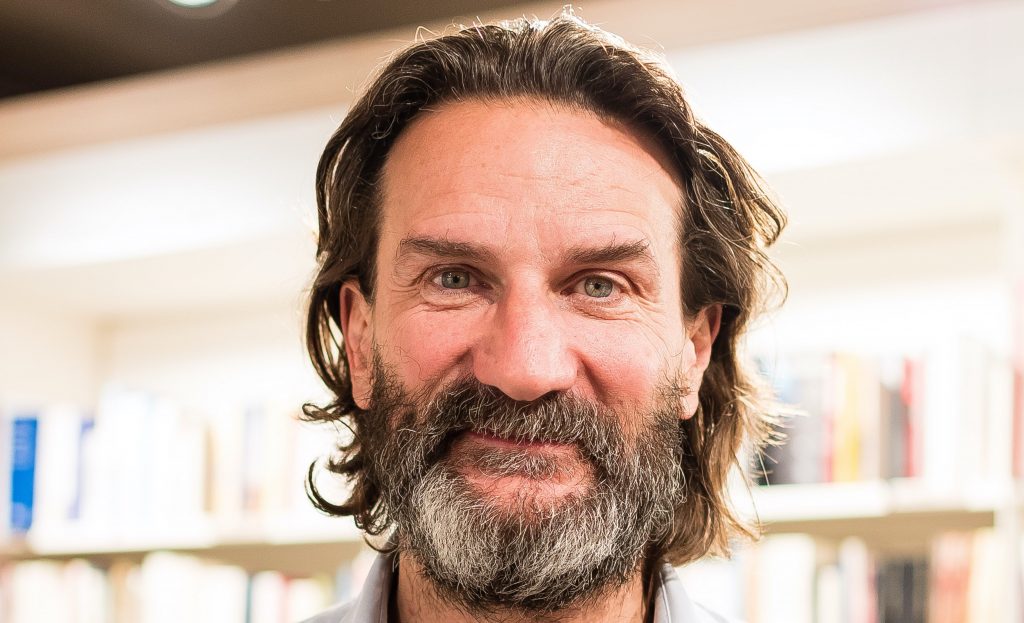
On the occasion of the presentation of the final part of his trilogy devoted to Octave Parango, Frédéric Beigbeder takes us on a journey in the footsteps of this literary double, sharing his criticism of the dictatorship of laughter and his passion for the novel.






 French
  German
  English