



The overestimated power of the media
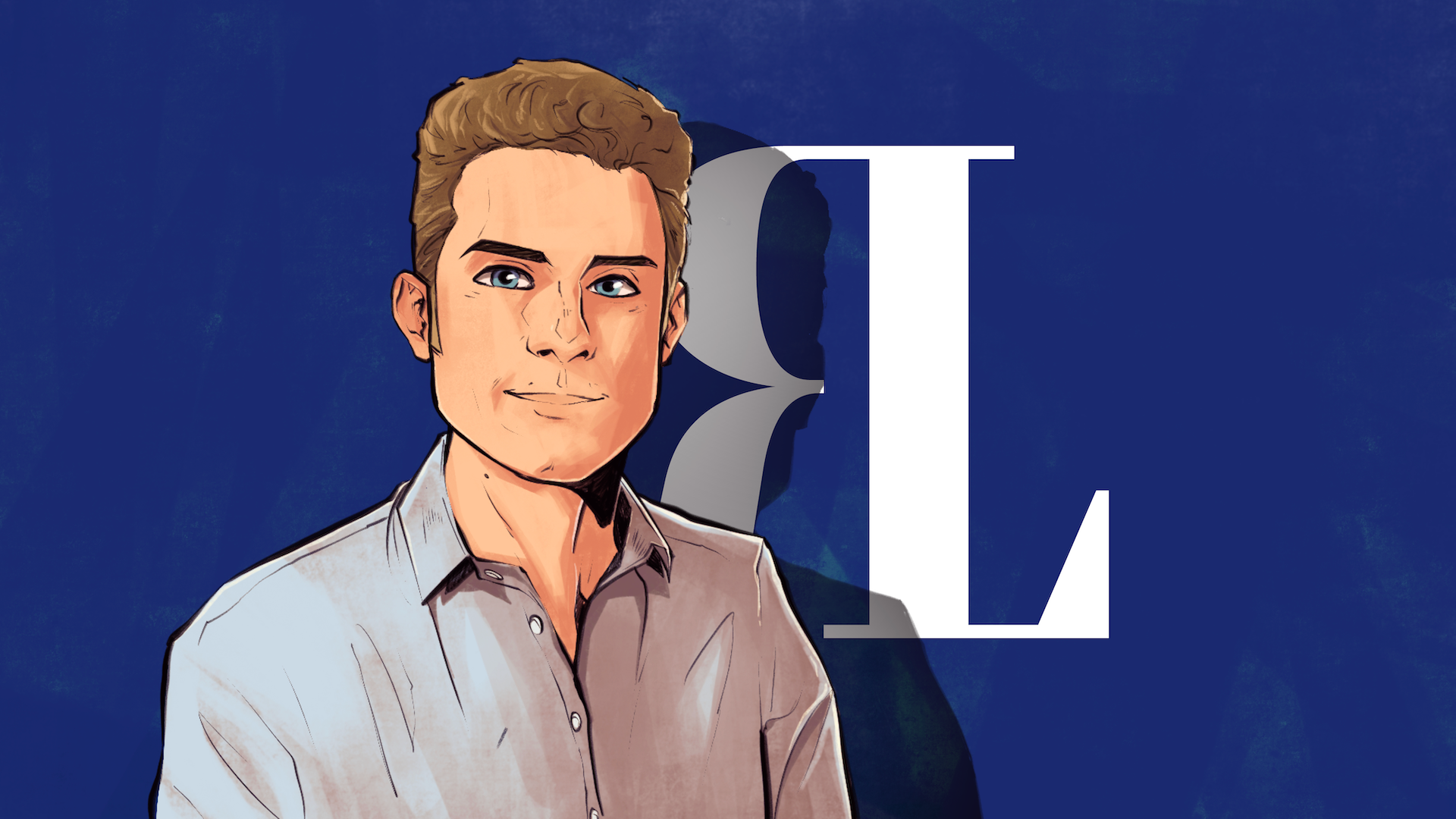
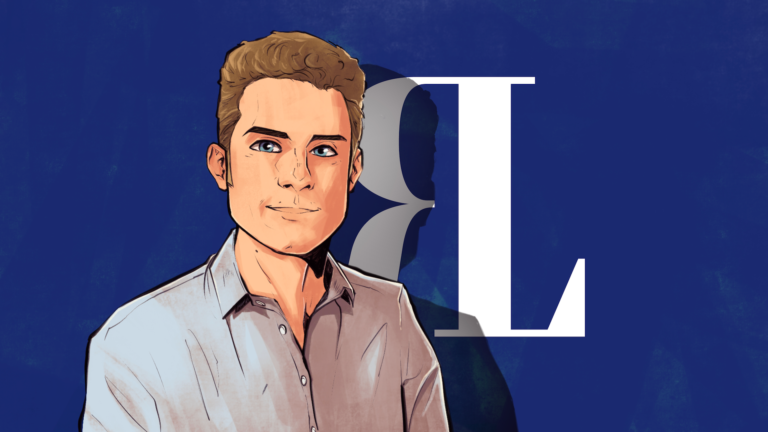
Drawing by Nathanaël Schmid for Le Regard Libre
To overestimate the power of the media is to underestimate the various reasons why people have ideas. It's not journalists who dictate the debate agenda, but a complex dynamic between transmitters and receivers.
In an age saturated with news, it would be tempting to believe that the media have great power over their audience. Yet «information fatigue» is contemporary with the flow of news. news and it's not absurd to imagine a link between the two phenomena. What's more, it's striking that the idea that the media are opinion-makers - or even that they're simply opinion-formers - is so widespread that it's hard to believe it's true. capable - is often directed at one camp. Anyone who accuses the CNEWS television channel of encouraging the extreme right will not say that France Inter radio influences the French public in the opposite direction, and vice-versa...
So.., in a recent debate on Geneva's Léman Bleu channel, editorialist Myret Zaki told the author that the money invested by businessman Vincent Bolloré in his media, notably CNEWS, was a form of indirect political financing. However, Myret Zaki never speaks out about the public service's left-wing propaganda. The thesis that CNEWS is driving up nationalist views is plausible, but it could also be argued that it is the success of these ideas that leads to the channel's success, rather than the other way round.
A transmitter-receiver dynamic
And with good reason: if CNEWS is now the leading all-news channel on certain evenings, it's partly because it has broken with decades of media unanimity on certain subjects, such as insecurity and immigration. Similarly, the fact that the rest of the political class has abandoned these themes to the nationalist right has helped the former to grow stronger.
Of course, media of a certain size have sufficient means to shape their narratives, but their effect remains dependent on one essential condition: the support of their audience. This is neither automatic nor definitive. Audiences are not docile to what they consume. With the explosion of digital platforms and social networks, the diversity of sources of information and reflection has become such that capturing attention represents a major challenge for traditional media. In fact, it's not the media that dictate the debate agenda, but a complex dynamic between transmitters and receivers.
Read also | Yann Costa: Why I decided to return to X
The same kind of observations can be made when it comes to the general question of who really holds the power, as in the case of the dossier in this first issue of the year. When Olivier Meuwly asked the question «Who runs Switzerland?», he could only answer the people, for it is they who always have the last word in this country. This doesn't mean that pressure groups are absent from the equation, but it's in constant interaction with the citizen, who in the end is the one who votes anyway. It's better to be transparent about the existence of these places of influence than to encourage secrecy, and thus vagueness or corruption, and thus legitimately founded criticism of the «deep state», a notion whose itinerary Jean-François Mayer traces.
Remaining open to debate
In this scheme, the media are just one tool among many. Often, they serve as material for forms of thought that are already present. To overestimate the power of the media, even those that play on the rejection of this world, is to underestimate the various reasons why people have ideas, such as experience and reason. Less than 1% of Swiss people are vegan, despite all the content dedicated to them. On the contrary, several SVP initiatives have passed the popular vote despite the opposition of almost all journalists. The idea of the media dictating our way of thinking disempowers us and doesn't stand up to the test of facts.
But we all have a duty to cultivate a critical mind. This means broadening our horizons by consulting diverse sources and, above all, by confronting different points of view. That's what we'd like to make possible with Le Regard Libre, by offering readings of current events, the past and the future that either contrast with each other or stand out from other media. Pluralism in the overall picture is most important. It's up to us, as citizens-readers and citizens-thinkers, to keep demanding it.
Write to the author: jonas.follonier@leregardlibre.com
You have just read an open-access editorial from our print edition (Le Regard Libre N°113). Debates, analyses, cultural news: subscribe to support us and get access to all our content!

You'll also like
 French
  German
  English
Leave a comment