




The «bourgeois pact» has made us rich
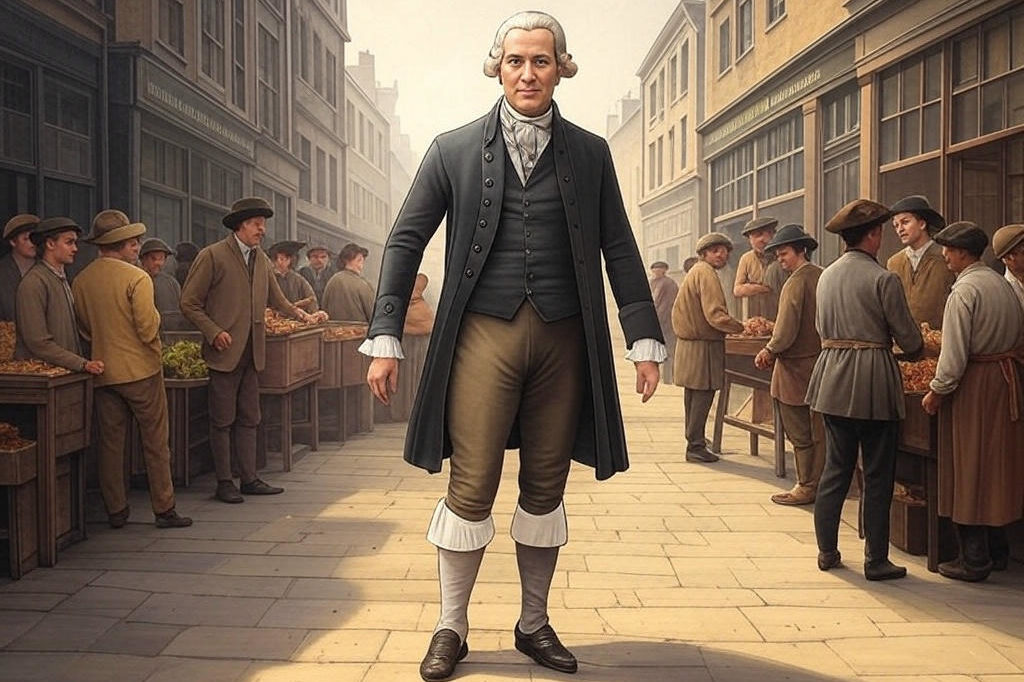
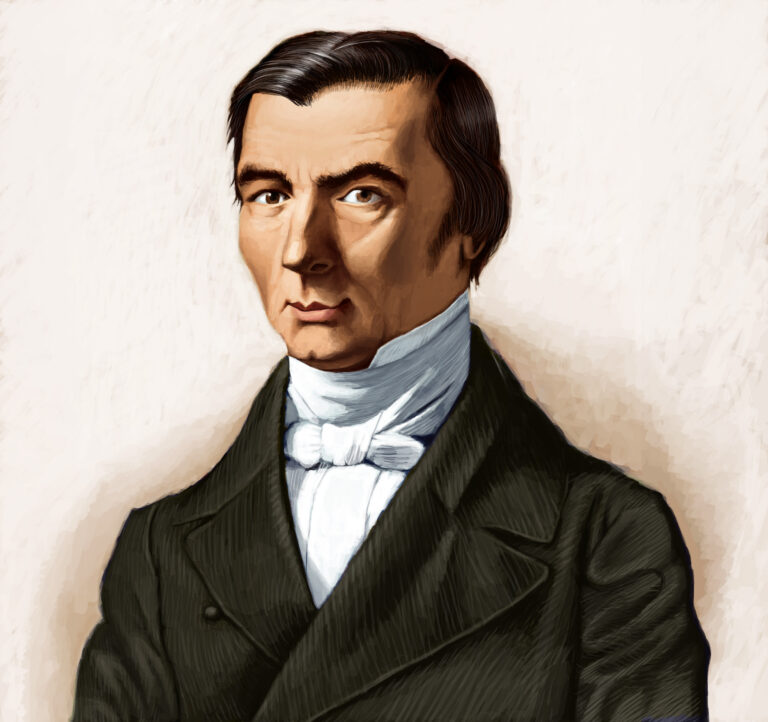
Nicolas Jutzet presents «Laissez-moi faire et je vous rendrai riche» by Deirdre McCloskey and Art Carden. Image generated with the help of artificial intelligence (Grok)
Why do some nations grow richer while others stagnate or decline? Two contemporary visions attempt to answer this crucial question. One of them is set out in a book by Deirdre McCloskey and Art Carden, recently published in French.
You've probably wondered why Switzerland, that small, steep country, is richer than its neighbors. Or how some countries that were rich at the beginning of the 20thth century, such as Argentina, have sunk into crisis to the point of becoming ungovernable. In truth, there is no unequivocal answer to this important question. But several theories attempt to explain these successes and failures.
In Why Nations Fail, Acemoglu and Robinson, recent winners of the Nobel Prize in Economics, argue that it is the presence of pluralistic institutions, sharing economic and political power and promoting competition, that drives prosperity. The authors dismiss the idea that geography or climate play a decisive role. American economist Deirdre McCloskey puts forward another theory in her recent book Leave it to me and I'll make you rich, which has just been published in French. More than institutions, it is the evolution of moral principles and a shift towards values such as promotion based on merit, rather than privilege linked to birth status, or the valorization of risk-taking and the importance of the figure of the entrepreneur, as well as private property, that are at the root of the success of nations.
Deirdre McCloskey and her co-author Art Carden, also an American economist, recount what they call the «Great Enrichment». In the space of eight generations, average incomes have soared and innovation has spread far and wide. Goods that were once luxuries are now readily available at prices our ancestors would refuse to believe. This positive assessment is based on facts. Both authors are realistic optimists. Whether in terms of extreme poverty, life expectancy, literacy or living standards in general, the data show that, contrary to popular belief, the world has improved dramatically in recent centuries. But also - and this is what will no doubt surprise readers even more - in recent decades.
If the challenges remain numerous, and new ones are added every day, their book will reassure you: there's no need to give in to pessimism. For the two economists, this positive dynamic can be explained historically by a cultural shift that saw the birth and triumph of the idea that individuals are not mere means to a collective end, but independent beings who can seek their own happiness. McCloskey and Carden speak of a Bourgeois pact, which sees companies become prosperous as soon as they let humans do their thing.
In view of the factual assessment presented in this book, the reader may well wonder why these cheerful elements find little resonance, particularly in the media. The authors rightly note that, in society, pessimism gives you the upper hand. It makes you seem sophisticated, because you're worried. The optimist, on the other hand, is easily seen as naïve, content to settle too quickly for fundamental advances that a pessimist will find unconvincing in view of the very tangible problems he or she still identifies. However, by worrying about the fate of our fellow man without taking into account the dynamics at work and the mechanisms that may or may not enable us to remedy the problem we have identified, we run the risk of going down the wrong road. Hence the need for realistic optimism. All the good intentions and concern about the fate of the poor won't make them rich. While the Bourgeois pact, Yes, they do. And for good.
If economic history bears out the elements presented in Leave it to me and I'll make you rich, It's doubtful that wealthy societies, tired of their success and suffering from oikophobia, will be able to prolong this enchanted interlude for much longer.
Unless something happens.
Deputy director of the Institut libéral and essayist, Nicolas Jutzet is an editor at Regard Libre.
You have just read an open-access review from our print edition (Le Regard Libre N°115). Debates, analyses, cultural news: subscribe to support us and get access to all our content!
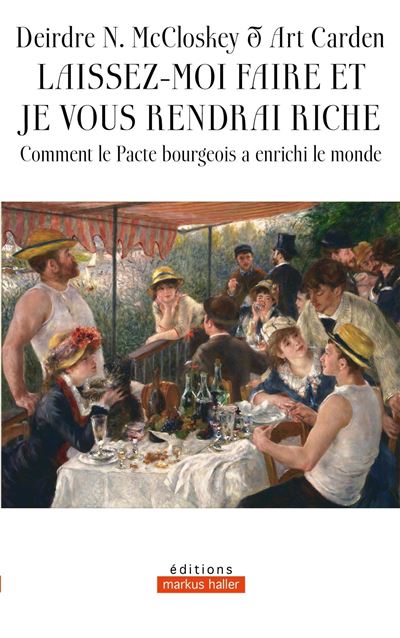
Deirdre McCloskey and Art Carden
Leave it to me and I'll make you rich
Ed. Markus Haller
Trad. de l’anglais par Patrick Hersant
Pref. Nicolas Jutzet
March 2025
406 pages

You'll also like


 French
  German
  English
Leave a comment