



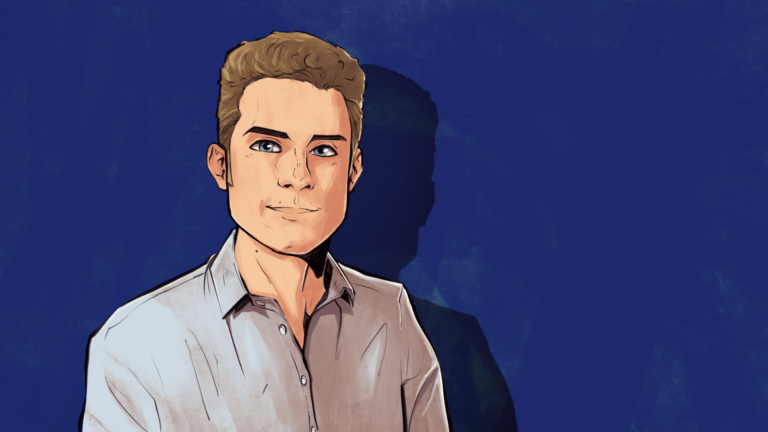
Angélique Eggenschwiler: «I see language as an absolute».»

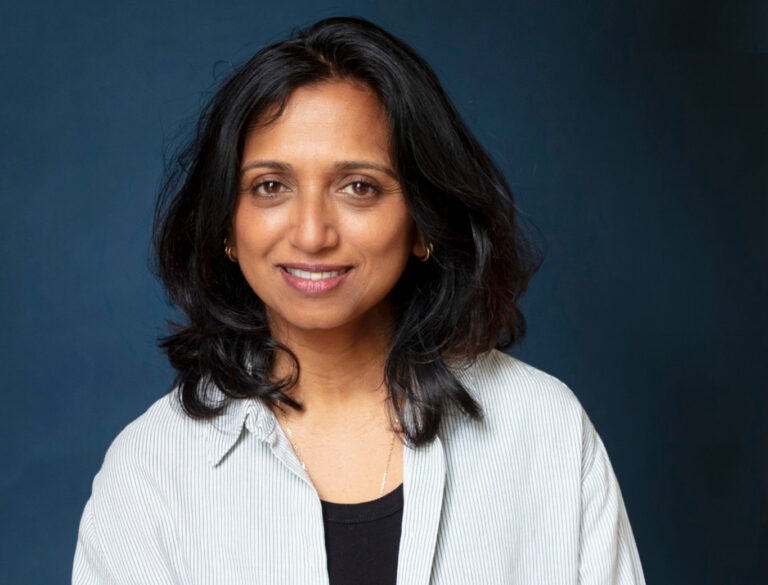
Author Angélique Eggenschwiler © Marina De Toro for Le Regard Libre
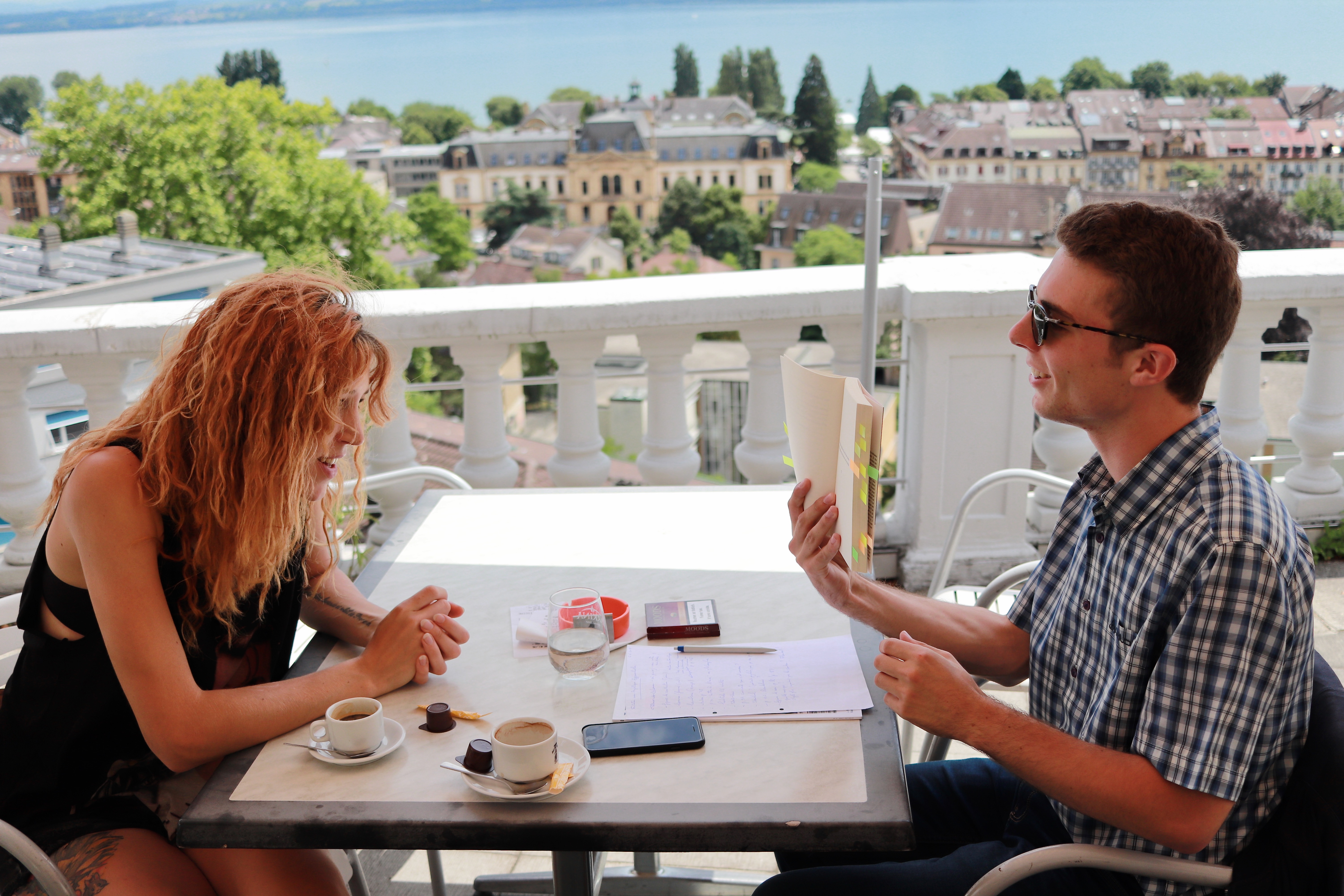
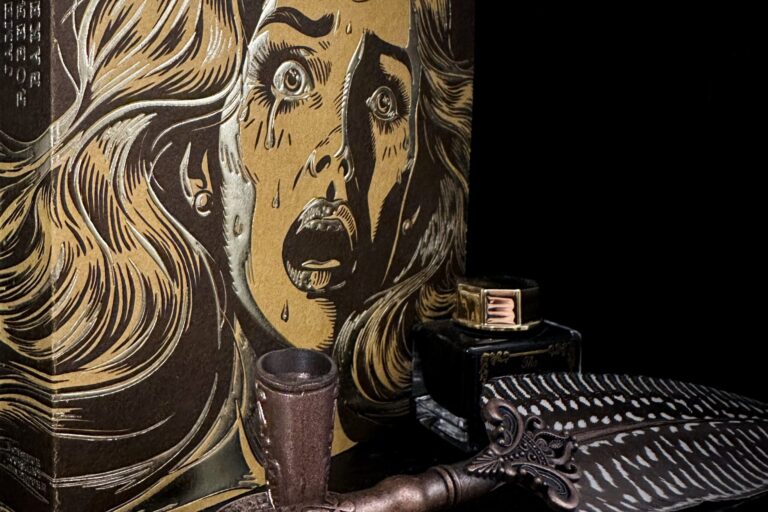
Angélique Eggenschwiler is a student of anthropology and a columnist for the daily newspaper La Liberté. A native of Fribourg, she published her first book two years ago with Editions de l'Hèbe. Turpentine fragrance is a collection of short «adulescent» texts, as she herself likes to put it, somewhere between prose and poetry. Carried by the coherence of a sensual sadness, these are small human portraits offered by the twenty-five-year-old woman, whom we met last week in Neuchâtel.
Le Regard Libre : The themes - or rather, the sensations - of emptiness, absence, waiting and mourning are very present in Turpentine fragrance. Do you draw these realities of suffering from your own experience or rather from your imagination?
Angélique Eggenschwiler: The idea was to intersperse the two. I conceived the book as a portrait of society. There are fictional characters based on generalities of sorts, such as the notion of grief, which we can all relate to without actually experiencing it, but there are also characters drawn from real-life experiences. And I think this mix between the two is as true of my book as it is of life in general, where our view of the world always depends on both our experience and our imagination.
Luc on a postcard, language studies and the ardor of young people in search of a new life: travel shapes youth, but leaves a void in a mother's heart, broken and nostalgic.
Reading the book, one also senses your attitude as an anthropologist. Did you carry out any observation work before writing?
Yes, and I'm sure that's the case for all authors. It's what gives legitimacy to writing. I don't like the scientific side of anthropology; what speaks to me in this discipline is the questioning of certainties - discussion in an even more general sense. The more fluid our apprehension of the world, the more we move forward and the more open we are.
In this book, there are many stylistic exercises in sentence construction. Zeugmes and repetitions dot your work, for example: «There are poppies in her kitchen and sand in her eyes [...] There are clouds in her eyes and poppies in her kitchen. [...] There are clouds in her eyes and poppies in her kitchen.» Is this the result of working on the language, or do you let your pen guide you?
I'm very close to automatic writing, so I let myself be guided by my pen. That said, in my spontaneity I always try to aim for a polished language, because I see language as an absolute. Especially when it comes to the French language, which is so dense and rich. Sound can create meaning, and that's what interests me. Automatic writing that seeks style will in fact touch intimate realities.
«Yesterday is the living room of men who forget the scent of women,» you write. Your book often draws a distinction between the sexes. In fact, a recurring interlude in the book is entitled «Men». Are you fascinated by men?
It's the first time I've heard this remark. Usually, I hear from some readers of La Liberté that I'd be writing female columns, which validates the gender divide. As far as I'm concerned, my book is more about little interactions that are necessarily shaped by our gender. As for the «Men» interludes, these are little autobiographical references to my love life.
Some passages, I confess, left me at a loss for words. Like this one: «He had balls and words, birds in his pockets and horses on his fingers.»
This is an autobiographical fact. Taking lived experience and turning it into fiction refers to what we do when we look back on our lives: we tend to revisit events. So I like to create confusion in words to reflect the confusion that characterizes the way we move through the world.
In your magnificent «Lettre à Marie», you evoke a whole series of singular things, each enthroned on a paragraph: «A daisy's premature baldness / Dreaming of elsewhere / Heart-shaped pebbles», and so on. Then comes «Choose a word and offer it, on a piece of paper.» Is that what you do?
I was told this once. At the end of a rather sunny encounter, someone left me a note on a piece of cardboard. The note may have been completely banal, but when I hear it now, I always think of that moment. In a way, the note belongs to me. I love the fact of making a word my own, its sound and therefore its deeper meaning. It's a great gift.
Your book contrasts habit with vitality. Is vitality an important value for you? Is it about not letting yourself melt into monotony, having a taste for the unknown, varying experiences?
It's something that conditions me. I come from a very monotonous background; I'm the granddaughter of peasants. There was something very old-fashioned about it when I was a child, because I grew up with my grandparents, who lived in the country. There was this idea of the everyday taking over everything, leaving no room for the new. Very early on, I tried to extricate myself from this state of affairs through travel and encounters that were provoked by some pretty crazy coincidences.
Your work also focuses on the musicality of the text. Many passages feature delightful sound figures. In this respect, you're very close to Gustave Flaubert and his quest for form above all else. Is he an author you hold in high esteem?
I preferred Maupassant to Flaubert. In any case, Flaubert can be read. Like him, I'm convinced that style gives a work its meaning. It's the music that counts.
Springs are precious. Meals are oppressive. They doze and eat without teeth. They wet their protection.
By the way, what kind of music do you listen to?
I'm particularly fond of chanson à texte. Jacques Brel and Georges Brassens are my main references. Among today's singer-songwriters, I'm particularly fond of Benjamin Biolay. Turpentine fragrance. I was also raised on the old rock and roll Janis Joplin and Jimmy Hendrix are on the list. But these are not the artists from whom I draw the most direct inspiration in my lyrics; French chanson remains the preferred choice.
Write to the author : [email protected]

You'll also like

 French
  German
  English
Leave a comment