




«Black Carnival» or the Eternal Return of Evil
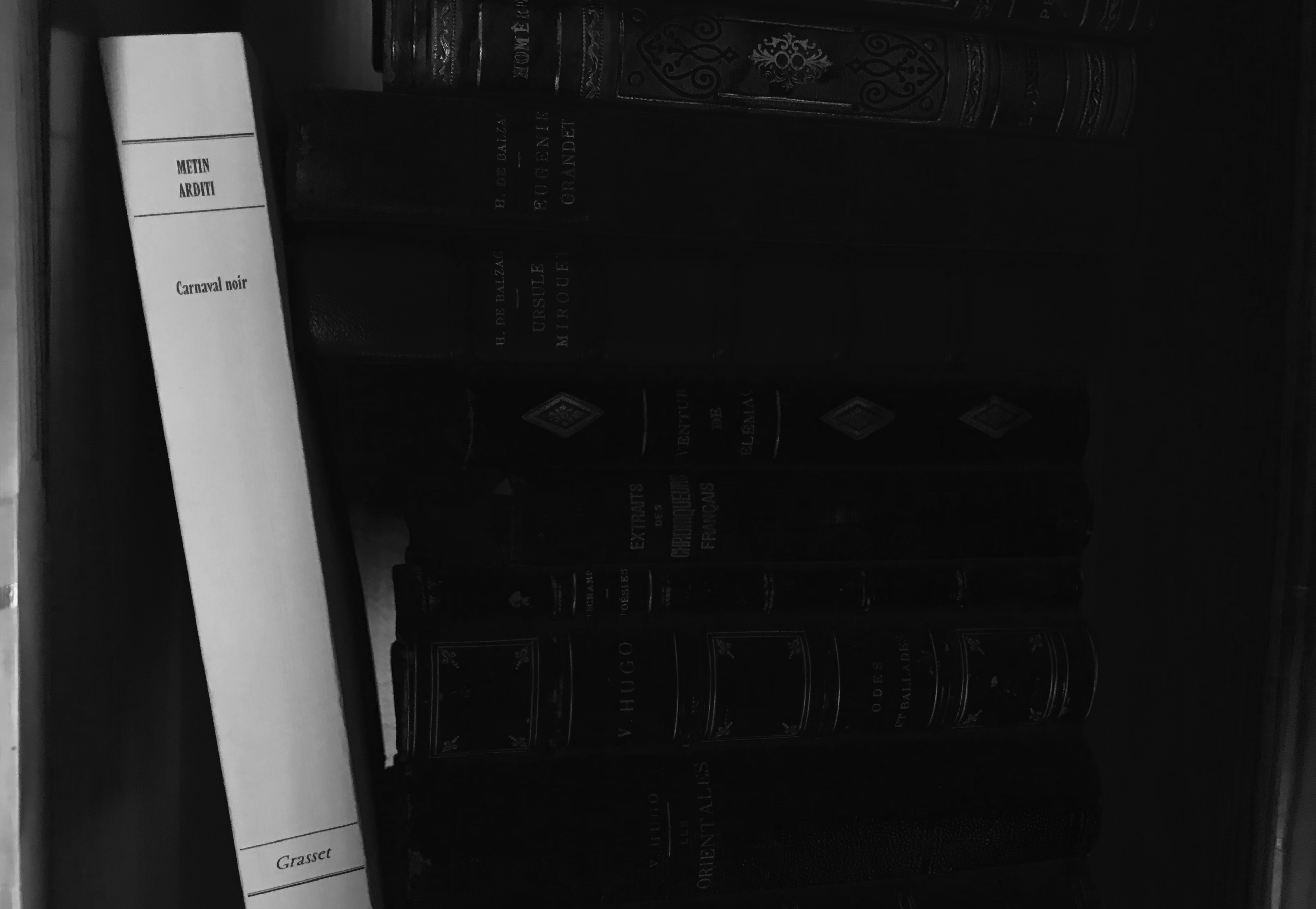
Tuesday books - Jonas Follonier
Metin Arditi's latest novel, Black Carnival, est sorti en août 2018 aux Editions Grasset. Racontant sous fond d’histoire à suspense l’éternel retour de la déraison humaine, il peut être lu à tout moment en guise d’avertissement. Et il se pourrait bien que notre époque ne soit pas à l’abri de quelque carnaval infernal.
«Chaque pont, chaque palais, chaque canal, était l’occasion d’une émotion, d’une découverte, d’un étonnement. Les eaux avaient beau être fétides, les façades des bâtiments rongées par le sel marin, l’air insupportable de chaleur et de puanteur, Venise était irrésistible.»
L’histoire s’ouvre en 2016 à Venise sur l’assassinat d’une jeune étudiante qui réalise une thèse consacrée à l’une des plus brillantes confréries vénitiennes du XVIth siècle. Celle-ci avait été attaquée à coup d’obscurs meurtres en série lors du carnaval de Venise en 1575, que l’histoire allait bientôt nommer le «Carnaval noir». La principale résidence de la confrérie avait également été brûlée. Voilà que près de cinq siècles plus tard, des hommes déguisés et chantonnant des airs festifs entraînent cette doctorante dans leur marche, se resserrent sur elle et la poussent dans l’eau de la lagune.
Parallèlement à ce crime étrange qui en sera suivi par d’autres, tout aussi incompréhensibles, un professeur genevois de latin médiéval, Bénédict Hugues, découvre dans la reliure d’un livre ancien une lettre cachée datant du XVIth siècle. C’est le début d’une passionnante enquête à laquelle prennent part le latiniste, la directrice de l’étudiante tragiquement décédée à Venise, une journaliste du Time et divers experts. Le lecteur assiste dans le même temps aux machinations des auteurs de ces crimes, un groupe d’extrême droite proche de la partie conservatrice de la Curie romaine et formant une alliance contre-nature avec Daesh.
L’intrigue est amenée de la manière la plus moderne et la plus agréable qui soit, comme dans une série télévisée. Les chapitres sont très courts; la mise en place du récit, directe. Or, la matière est aussi intelligente. Par-delà le suspense et les petites histoires amoureuses, le roman est truffé de finesse et de bienveillance, éléments auxquels Metin Arditi a habitué ses nombreux lecteurs avec ses romans et autres écrits. En somme, l’intelligence de l’auteur se répercute souvent sur le narrateur et sur les personnages qu’il met en scène. Il y a là tout l’intérêt du roman: nous aider à comprendre l’être humain, à décrypter l’homme et le monde.
«Mado se dit qu’elle vivait peut-être les plus beaux moments de son nouveau couple, comme lorsque le joueur est devant la table de roulette et observe la bille qui tourne autour du tambour, prêt à croire qu’elle va lui apporter la fortune. Cela ne sera sans doute pas le cas, mais à cet instant, il peut encore rêver.»
Aussi, comme l’atteste cette citation, la force de Metin Arditi tient aussi dans son talent de conteur. L’auteur détient une grande maîtrise de la clausule à la fin des paragraphes, qui résume pour ainsi dire l’idée principale d’un petit passage tout en provoquant sur le plan purement musical une cadence ascendante qui met en valeur la fin. Les exemples de ce genre abondent, sans être non plus trop présents; cela deviendrait lassant. S’ajoute à ce phénomène littéraire une utilisation minutieuse des ellipses, du style indirect libre – une manière d’entrer dans la tête des personnages – et même d’un certain humour. «Comment s’appelle ton sixième doigt? – Mes doigts portent tous le même nom, avait répondu Bartolomeo. Ce sont les doigts du Christ. – Tu as de la chance, lui avait répondu la fillette.»
Read also | Metin Arditi: «Dans tous mes livres, j’ai cherché l’estime de mon père»
Cette excellence formelle et narrative se met au service d’une expérience de lecteur palpitante, face à une trame bien ficelée et ancrée dans les tensions de notre époque. Le grand remplacement, les prises de position du pape en faveur des migrants, l’Etat islamique, le poids de l’histoire, les conflits du Moyen-Orient, les banques suisses, tout y passe. Si la psychologie de certains personnages aurait pu être mieux construite, Black Carnival s’impose comme une grande réussite dans la catégorie des livres que l’on ne lâche pas du début à la fin. C’est que ce roman donne matière à réfléchir sur le basculement qui peut s’opérer de la raison à la folie. Et sur le caractère tragiquement déraisonnable d’une Histoire qui pourtant semble parfois se répéter.
Write to the author: [email protected]
Photo credit: © Jonas Follonier for Le Regard Libre
Metin Arditi
Black Carnival
Editions Grasset
2018
400 pages
This book is now available in paperback from Point-Seuil.

You'll also like





 French
  German
  English
Leave a comment