



Colorful contamination by Franck Pavloff
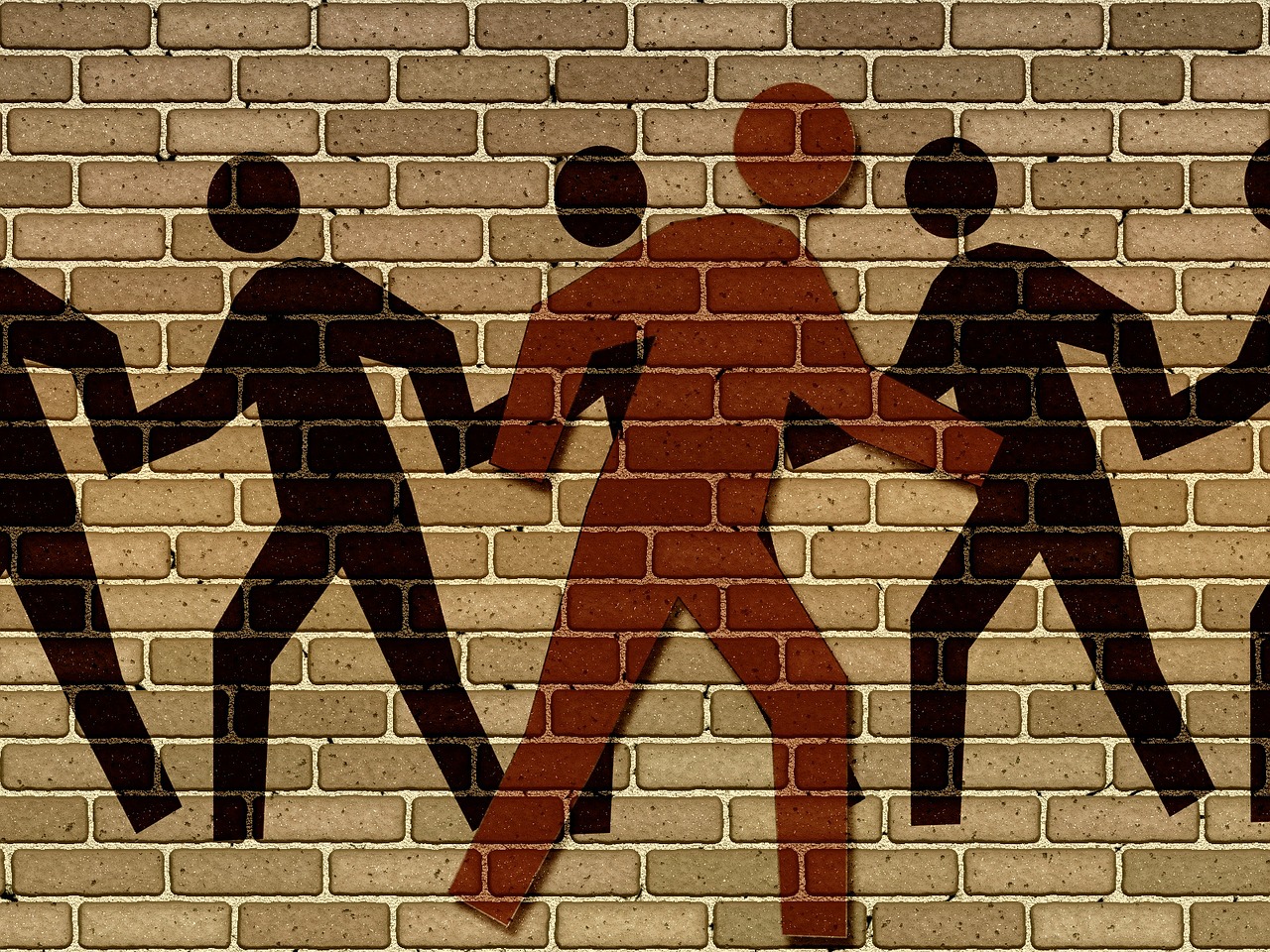
Les bouquins du mardi - The retrospective - Ivan Garcia
In just ten pages, the author reveals the daily lives of two ordinary citizens confronted with the slow tyranny of brown, a color and word imposed by a totalitarian state, and to which they adhere. Ironically, it's this very adherence that ends up condemning them. An easy-to-read, timeless little fable. To be read as a prediction.
Dogs and cats in color
It started with the cats. All non-brown cats were to be exterminated. This is the problem that the narrator of the short story describes at the beginning of the story, in conversations with his friend Charlie. Brown morning. In particular, the hero explains that he and Charlie had to get rid of their non-brown animals, on the orders of the «national state» and its «scientists». First the cats, then the dogs. From thread to eel, the brown fad turned into a tyranny of brown, an Ubuesque policy led by a political apparatus that aims to impose brown everywhere: in language, in literature, in the choice of pets... Thanks to a few brushstrokes and laws, brown is imposed as the ideal and everything non-brown is banned. Worse, it's exterminated.
«I should have been suspicious of the Browns as soon as they imposed their first pet law on us. After all, my cat was mine, like his dog was Charlie's, we should have said no. More resistance, but how? It goes so fast, there's work to do, everyday worries. Other people give up just to get a bit of peace and quiet, don't they?»
Except for a few lines, the lines above are the end of the short story written by Franck Pavloff. About twelve pages. This is neither the equivalent of 1984 nor as spontaneous as George Orwell's Rhinoceros by Ionesco. And yet it's striking, because the style is concise, very concise. What's particularly striking is the transition from calm to storm. How do you go from the beginning of the story:
«With our legs stretched out in the sun, we didn't really talk with Charlie, we just exchanged thoughts that ran through our heads, without paying much attention to what the other was saying on his side.» at the end mentioned above? That's the question. And the answer is: little by little. Like a totalitarian regime. As they say, ”the devil is in the detail”.»
With extreme conciseness. With a few words, a few terms scattered here and there, Pavloff shows how brown contaminates every aspect of the narrator's and Charlie's lives. And, above all, how little these little touches seem to the protagonists, who almost ignore them. It's a gradual process! The government first wanted to eradicate non-brown cats and, quite naturally, it slips from cats to non-brown dogs, without Charlie and his colleague making too many waves. Such changes ultimately seem natural, normal, expected. What's more, they drown in the midst of everyday life: work, worries, taxes... How, then, can you escape them? The critical mind is drowned... And, to «have peace of mind», we are ready to accept many compromises.
«Dogs had surprised me a little more, I'm not sure why, maybe because they're bigger, or man's companion, as they say. In any case, Charlie had just talked about it as naturally as I had about my cat, and he was probably right.»
It's this idea of contaminating things that Brown morning explore. Rather, to write it better, he analyzes this phenomenon of the «trivialization» of what wasn't trivialized before. Under dubious pretexts or theories, the «national state» and its army of «scientists» impose brown animals, supposedly better than non-brown animals. Little by little, non-brown media are banned and replaced by «Brown News». And, ironically for our conformist protagonists, the government passes a law condemning anyone who has ever owned a non-brown animal. This idea, the supremacy of the brown, is an allegory assumed by the author to show that any idea, or ideal, pushed to excess, can be subject to drift, since reality often doesn't conform to certain ideas.
Brown contamination
Brown morning, with its orange and slightly brown cover, is to be compared with the famous poem When they came for... by Pastor Martin Niemöller to denounce conformism and the fear of revolt in the face of Nazi occupation. Brown was certainly not chosen at random, since it was the color of the shirts worn by Hitler's S. A. militiamen, commonly known as the «Brown Shirts». militiamen, commonly known as the "Brown Shirts"...
Published by Cheyne, the short story was a great bestseller and is a «classic» taught in schools and colleges. A simple text which, in few words and concisely, evokes the tragic moments of history, and how a few insignificant details herald great misfortunes. A text that should be (re)read to give oneself courage, and to try, when the time comes, not to fall into the trap of seeing the world in brown...
«As a precautionary measure, we used to add brown or brunette at the end of sentences or after words. At first, we thought it was funny to ask for a brown pastis, but after all, language is made to evolve, and it was no stranger than to give in to the "pastis". brown, than to add fucking idiot, At least we were well seen and had peace of mind. At least we were well regarded and had peace of mind.»
Write to the author: ivan.garcia@leregardlibre.com
Photo credit: © Pixabay
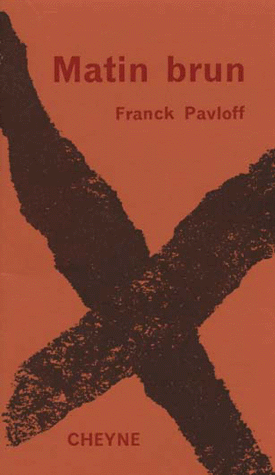
Franck Pavloff
Brown morning
Cheyne éditeur
1998
12 pages

You'll also like



 French
  German
  English
Leave a comment