



It's for their own good
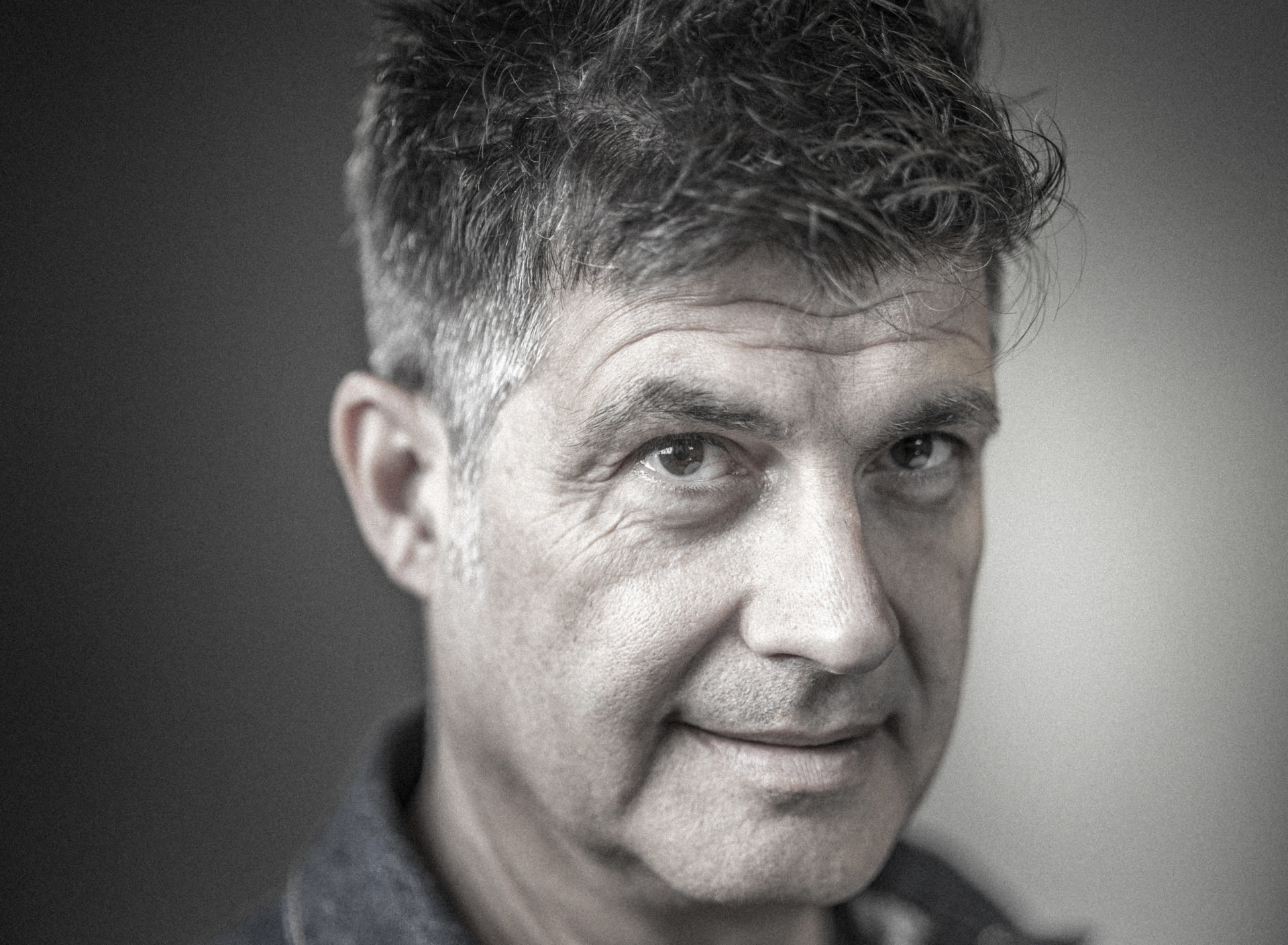
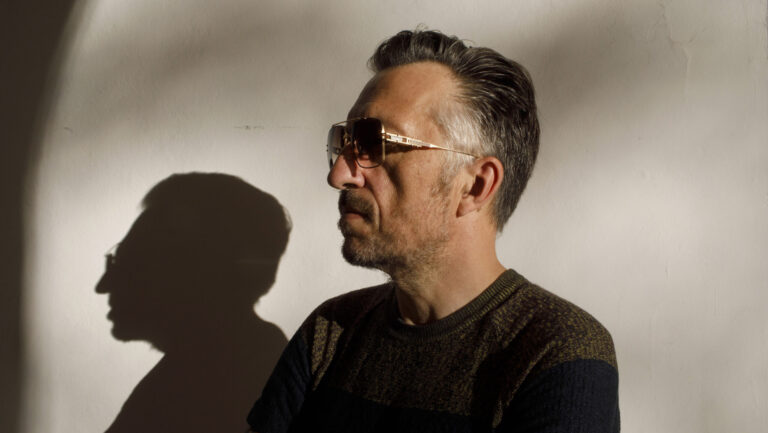
Nicolas Verdan in 2023 © Yves Leresche
What does it mean to want the «good» of a child at a time of political crisis and loss of ideological bearings? This is one of the underlying questions posed in Nicolas Verdan's new thriller. A thematic journey through the influence of propaganda networks over time.
The story could have been wrapped up in just a few pages. Andromeda, her husband Dimitris, and their daughter Zoì are planning to move back to Greece after living in Zurich for about fifteen years. The Greek grandfather, Evangelos, is then tasked with driving the family car back home. A long journey is planned all the way to Italy, followed by the final leg by ferry to Greece. But that was just the plan.
First of all, because at the last minute, the retiree decides to head to Albania before crossing the Greek border. And then because, along the way, he learns that his granddaughter, Zoì, has gone missing. This former intelligence agent can’t help but investigate. He decides to travel across Europe to uncover the truth.
Collateral damage
In *The Greek Wall*, the first volume of Agent Evangelos’s adventures, the Valdo-Greek author took us to the border with Turkey to understand the realities of migration. In *La Récolte des enfants*, Nicolas Verdan takes us on a journey through the Balkans, a crossroads of European, Christian, Slavic, and Muslim cultures (to name just a few). And he explores the theme of childhood in times of political crisis, starting from a chilling premise: throughout history, children have been the collateral victims of networks of influence, caught between different conceptions of what is good.
This was the case in the Ottoman Empire until the early 19thth century, when young Christians were «harvested» from village to village throughout the Balkans. They were torn from their families young enough to be easily converted to Islam, but strong enough to quickly become soldiers.
This was also the case during the Greek Civil War in the middle of the last century, when each side—the supporters of communism and those of the monarcho-fascist regime—abducted the children of their respective opponents to rescue them from harmful ideologies. Some were entrusted to Stalin, the “Father of the Peoples,” as children of the revolution. Others were taken in by Queen Frederica, the “Mother of the Orphans Saved from Greece.”.
This continued to be the case for over a century in Switzerland, where children were taken from their parents as part of youth protection measures. Now recognized as victims, these young people were placed at the time with foster families, and sometimes in homes run by nuns. This often resulted in abuse.
Finally, this may once again be the case with social media’s hijacking of our attention—leading the most vulnerable among us down certain dangerous paths.
Which roundup was Agent Evangelos’s granddaughter a victim of? The answer isn’t that simple, and that’s what gives this cleverly crafted mystery novel its depth. Because in The Children's Harvest, Nicolas Verdan unfolds a political and social narrative without resorting to clichés or passing judgment on the various value systems that make up our world.
Write to the author: [email protected]
You have just read an open-access article. Debates, analyses, cultural news: subscribe to support us and get access to all our content!
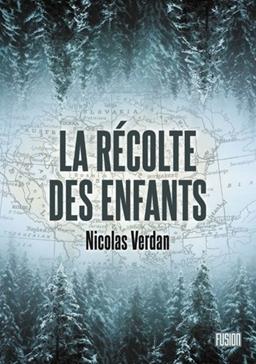
Nicolas Verdan
The Children's Harvest
L’Atalante Editions
October 2023
352 pages
You'll also like


 French
  German
  English
Leave a comment