



«Last summer in town», the intoxication of la dolce vita

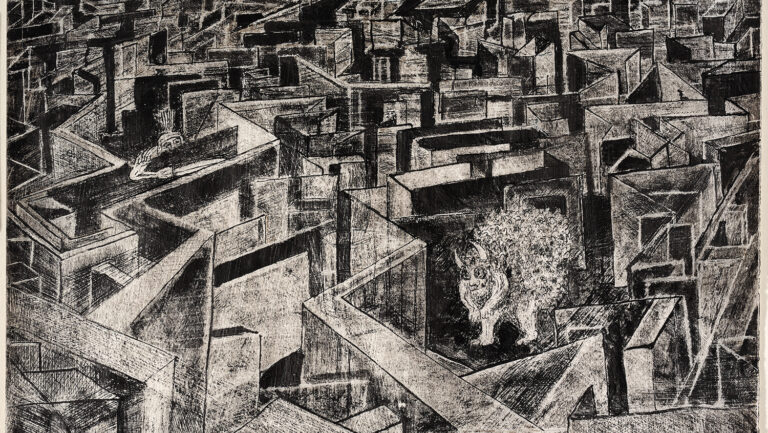
Le dernier été en ville © Quentin Perissinotto for Le Regard Libre
The last summer in town is a forgotten masterpiece. Published in Italy in the '70s, the novel was a quick success, but immediately went out of print and remained unobtainable for a long time on transalpine bookstore shelves, being snatched up like a lost treasure at secondhand bookshops. Then suddenly, in February 2021, it resurfaces in France, under Gallimard's cream-colored dust jacket! In fact, it has just been published in paperback. So there's no excuse not to buy it, read it and re-read it.
«When I stepped outside, an icy wind—the kind that makes your hands go numb—swept across the city beneath a dazzling sky—the kind that breaks your heart.»
This novel tells the story of a young man from Milan who arrives in Rome to try his hand at a career in journalism. Faced with days that are all excruciatingly alike, Leo Gazzarra prefers nighttime wanderings and drunken escapades alongside the Roman bourgeoisie, where his wavering world never seems to collide with the reflections of the sleeping moon. Leo Gazzarra wanders through a world that does not belong to him and makes no effort to escape it; he simply floats through the city like ether, his dreams of glory vanishing into the early morning mist, leaving no trace in this capital city languishing under the stifling heat of a sweltering summer.
«—She’s unpredictable.”.
»She’s beautiful, my dear, and beautiful people are always unpredictable. They know that no matter what they do, they’ll be forgiven.”
Ariadne's Thread
However, when disillusionment shrouds everyday life, love remains to turn everything upside down: on the night of his thirtieth birthday, during a party as sophisticated as it was boozy, his gaze falls upon the figure of Arianna, a young woman radiant with beauty, exuding seductive charm, yet revealing a fragility beneath it all. The dazzling intensity of love at first sight is quickly followed by the darkness of a relentless game of cat-and-mouse. Arianna appears and then slips away, a comet of fire and ice. Haggard, Leo struggles to recover from this collision with the pain of beauty and lets himself drift in the wake of this evanescent creature. An existential tango cloaked in twilight hypnosis.
The last summer in town is the portrait of a melancholic hero in the Rome of *La Dolce Vita*. It depicts grandeur crumbling away, littering the ground like confetti after a party. But above all, it is the magnetism of Calligarich’s writing. It possesses the casual elegance of figures dressed in linen and strolling along the seashore; it embraces the aesthetics of pain, the bitterness of silences, and the burning sensation of the unfinished. His style is the politeness of despair, the gentleness of radical negations. The last summer in town is the brilliance of tears in the sun.
Write to the author: quentin.perissinotto@leregardlibre.com
Photo credit: © Quentin Perissinotto for Le Regard Libre

Gianfranco Calligarich
The last summer in town
French translation by Laura Brignon
Gallimard
2021 [1973]
212 pages
You have just read an open-access article as part of the «Tuesday Books». Debates, analysis, cultural news: subscribe to support us and get access to all our content!

You'll also like





 French
  German
  English
Leave a comment