



«Diable d'acteur et Dieu en bouteille»: a tale of a drunken evening
Les lettres romandes du mardi - Alexandre Wälti
Neuchâtel's Roger Favre wrote his Actor's devil and God in a bottle like a tale in which the reader drinks in the words as much as he breathes in the alcoholic effluvia of the two characters. You might think you're on a long weekend night. A story whose starting point is staggeringly simple: a bistro conversation. A literary journey nourished by history, with sarcastic laughter as a bonus.
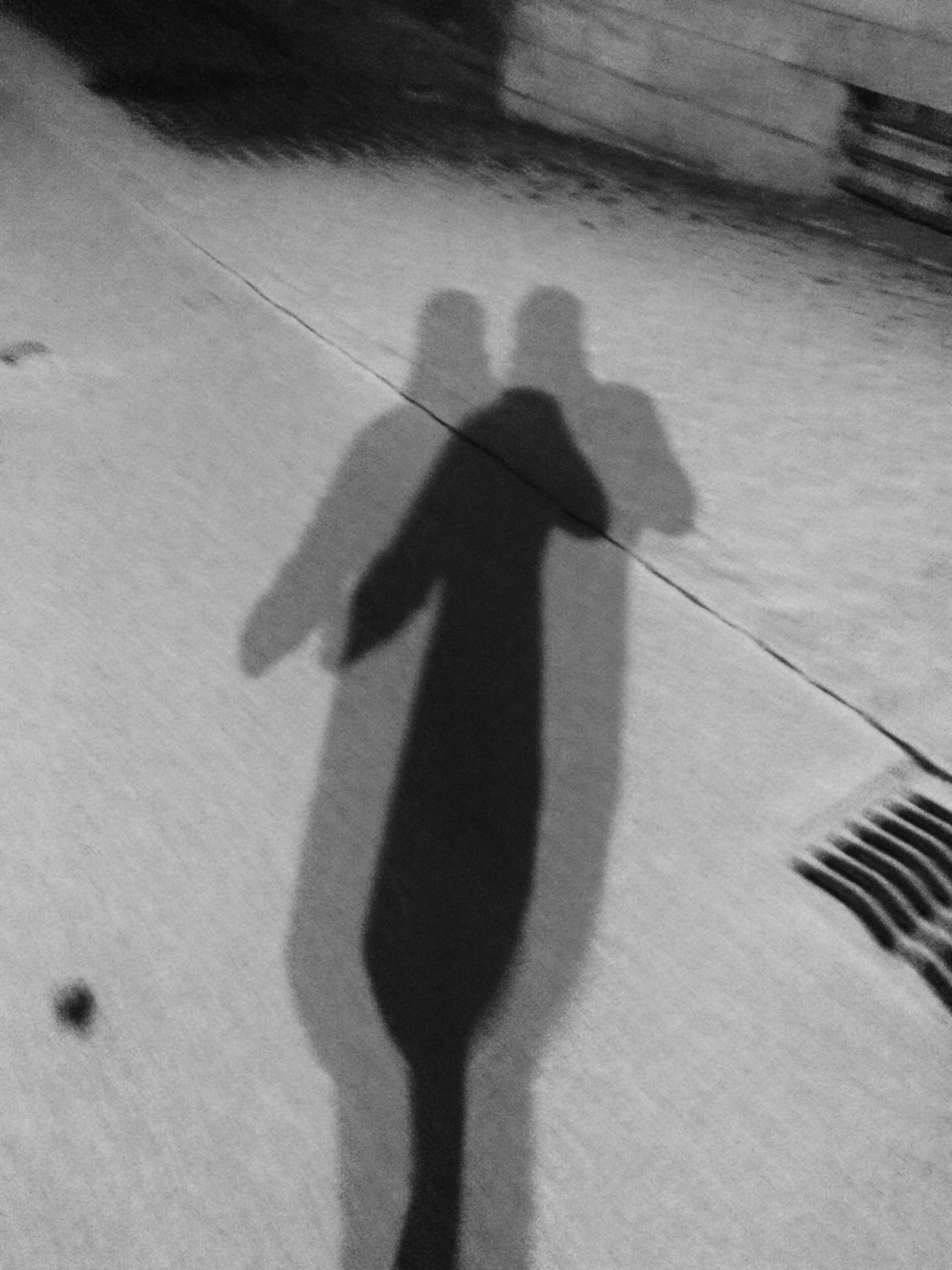
There's this guy hobbling out of the nightclub. He's laughing to himself, railing against the price of pastis and spitting his liquor at the bouncer. As far as he's concerned, faces have probably been contorted for over an hour. He pukes at full speed.
On the contrary, the woman he passes and suddenly calls out as he forks right into the little alley of vice where anything goes, looks at him warily. He staggers, leans against the tagged walls and disappears into the darkness, plunging into oblivion. She may ask how many liters of alcohol the man has drunk. He's not doing any harm, just wandering away. That's what she tells herself.
The banality of everyday life
This scene is commonplace. Many men and women have the same attitude. It's as if they need to forget the world and drink themselves into a state of drunkenness and disinhibition. Some are lost and slalom from one bar to another every weekend. This is the story told by Roger Favre in Actor's devil and God in a bottle. Except he's having fun, while our weekend night owls are real.
Indeed, Roger Favre treats his characters with malicious pleasure. He puts two of them on stage: a pastor and an actor. The former drinks, and drinks a lot. The writer from Neuchâtel does not spare him, painting him with the scent of alcohol. The second is preparing a role, that of the devil. He calls out to the pastor at the bar. Following this first contact, the actor first looks for his role and then embodies the devil, for the duration of a rollicking night. Just for laughs, or not.
At this point, the pastor mechanically put his hand in the inside pocket of his coat, stopped, then frantically rummaged back and forth before exclaiming in a white voice:
- I've lost my wallet!
- A wallet, another detail! What does a wallet mean in the face of the great questions of being, in the face of eternity...
- It's just that I had all my papers in it... I'll have to go back and look everywhere we've been.
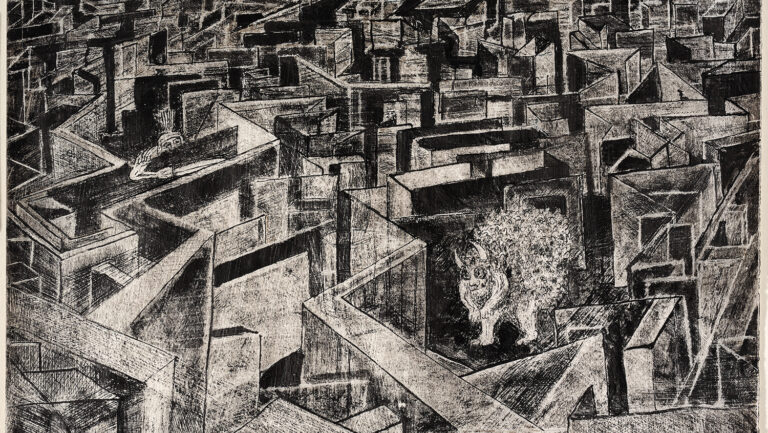
- All that maze! Can you imagine Theseus facing the Minotaur and writing to himself: «I've lost my passport! I've got to get back to the entrance of the labyrinth... Just a moment, I'll be back!»
- I've got to get back... Tell me where I can meet you later," said the pastor, who hadn't caught the joke at all.
- This wallet thing is really turning your head. If there's anything I can do for you... Here, take this!
At first, the pastor refused with dignity. Then, on closer inspection, he snatched up what the other was holding out to him and exclaimed:
- But it's my wallet!
- Please don't thank me. The devil also knows how to be philanthropic. All the more so on his birthday!
- You're even more diabolical than I thought. What a comedian!
And they both start laughing heartily, in the same voice.
But each for different reasons.
Then they started walking again.
This is how the two companions gradually get to know each other before going back in time. Their discussions intensify as the pastor drinks and drinks and drinks. The actor encourages him. As if it were necessary to manipulate his interlocutor in order to laugh at him. And yet, there's nothing really nasty going on, just something slightly vicious and petty. The two of them drip trays - rather just one - travel from the time of Farel, through the burning of witches and the conquests of Constantine the Great, the first Christian Roman emperor - not by chance - to the wild lands of the Wayepiewie Indians.
A Tale of Endless Night
A simple discussion in itself. Nothing exceptional. But that's without taking into account the actor's ever clearer intentions and the pastor's ever stronger intoxication. Roger Favre's writing is delightfully inventive and willingly virulent against the sacred. A banal confrontation between a drunken God and a manipulative Devil.
At times it's a fable, then more of a literary game, and finally the time markers disappear. Where will our two one-night friends end up? Perhaps they'll end up somewhere far from the town where they began, on a beach or in the snow, free or imprisoned. What's so pleasing about Roger Favre's style is the pleasure he takes in starting with an extremely concrete element, and then immersing his two characters in different periods of history.
A simple discussion that ends in succinct immersions in multiple space-time periods of history. Two characters who are always somewhere else, between two states no doubt. Like the staggering man who disappeared into the dark alley.
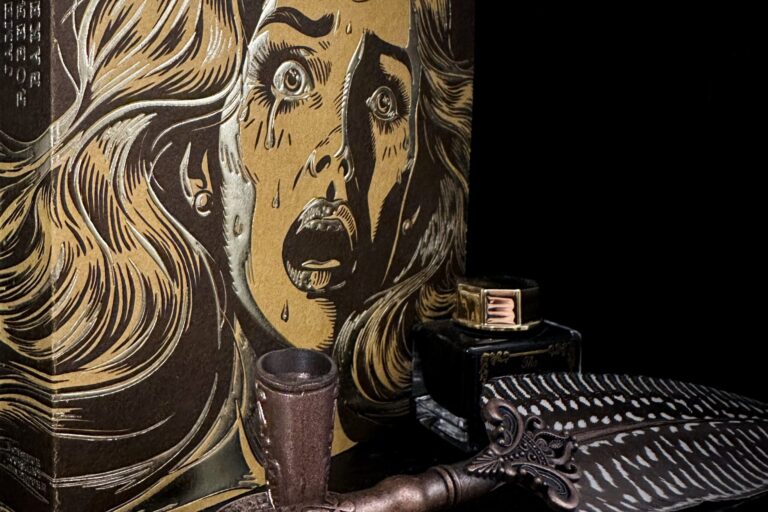
Roger Favre
Actor's devil and God in a bottle
Editions Zoé, 1996
112 pages
Write to the author : alexandre.waelti@leregardlibre.com
Alexandre Wälti for Le Regard Libre
You'll also like




 French
  German
  English
Leave a comment