



Sébastien Meier and Lausanne nights
Le Regard Libre N° 35 - Nicolas Jutzet
What good news! His third book follows in the footsteps of the previous two. It's breathtaking in its plot and touching in the sometimes disturbing depth of its characters. Once again, the author demonstrates his ability to tackle difficult themes with talent, without lapsing into pathos or oversimplification. After The shadows of the half-breed and Father's name, make way for The Order of Things.
It's about physical and mental illness, drugs, prostitution, free relationships and much more. Often caricatured and ostracized, these themes become, under the pen of the French-speaking Swiss author, banal and captivating. If naming things wrongly adds unhappiness to the world, talking about them wrongly does at least as much damage.
Through an approach that comes close to a reality almost as if lived, Sébastien Meier allows his readers to become familiar with these different worlds, even without necessarily knowing their conventions. He demonstrates that literature from French-speaking Switzerland can remain compelling when set against the backdrop of the Lausanne countryside or even the most remote corners of the French-speaking part of our country. But before we delve into this new work, a brief retrospective is in order. Here’s a brief look back at the young writer’s body of work.
The shadows of the half-breed
Here, we discover the full extent of the author’s world—dark, yet so captivating. Through a series of confessions, Inspector Paul Bréguet, who quickly emerges as the main character, opens up—even sets himself free. We come to understand his journey, his successes, and above all, his failures. Still in its early stages, the narrative sometimes teeters on the edge of vulgarity through the repeated depiction of certain sexual encounters and the occasional, terribly inappropriate violence—due to the graphic detail provided—but it holds together thanks to the quality of the overall concept and the richness of its content. All the more so because this fierce need to shock subsides over time, giving the reader some respite.
We also find ourselves, gently but surely, drawn to the young mixed-race man Romain Baptiste and his vulnerabilities, which, paradoxically, make him strong. Highly desirable, at least. Highly sought after. That much is certain. We see the inspector lose his way; he, a man who was once so strong, is breaking down. Raw and unpolished, this first episode offers a glimpse of the author’s full potential, while revealing a series of still-persistent impulses from the fiery youth we suspect is hiding behind the text.
Father's name
The aim of this second installment is very clear: to broaden horizons. By stepping outside his comfort zone, the author demonstrates that he is capable of quickly shaking off any hint of laziness that might lead to a tendency toward monothematic writing. Blending moral sentiments with high finance, while exploring both the depths and the baseness of humanity as a whole, the author offers us an explosive glimpse into the unsuspected—and surely somewhat fantasized—life of Switzerland’s secret world, particularly that of its elite.
Here again, Inspector Paul Bréguet is at the helm—not so much of his own life, but of the story. We find ourselves drawn into the quest to understand this man who, despite his age, still seems so lost, searching for his bearings, his past, and even his future. At times, the black-and-white approach to certain economic and political topics can be frustrating. But we remain captivated by the blend of elements that, in the end, make the entire work easy to digest. The pace remains thrilling, and the plot unfolds logically.
The Order of Things
Like fine wine, quality literature improves with age. The time has come for the harvest. With its solid structure and the ultimate complexity of the characters portrayed, the story delivers a grand finale. Following the shift in thematic focus, we see here a desire to delve deeply into new characters. We can’t help but feel sympathy for Jacques-Edouard, the wayward grandson of a bourgeois family who eventually pulls himself together, tired of living up to the clichés we all know so well. Tired of simply existing, at times, but above all, tired of being a passive victim.
Paul Bréguet, usually so prominent, makes room for other characters, who flourish and revel in the role of the actor who takes center stage—though they don’t always handle the spotlight well. Here again, certain themes recur. A keen interest in the characters’ psychology and mental states, as well as in their sex lives—which are always, or nearly always, unbridled. The fantasy of money as king, which crowns before it beheads. All set against the same Vaud backdrop that allows the reader to easily identify with the story. Frankly, what better way to make us fall in love with Switzerland than a regional train? The nightlife and its excesses are also part of the mix. But always with a sense of detachment that keeps the narrative from falling into the abyss of excessive language and childish judgment. We drift through the story, observing without judging. We wonder about the outcome, about a sequel, and simply about the pleasure of these reads that clear the mind while giving us food for thought. And we’re sorry when we’ve finished them.
Ultimately, each of Meier’s books can be read without having read the previous one. The flashbacks allow readers to understand the pasts of the various characters and the historical development of the different stories without much difficulty. However, to fully appreciate the evolution of the author’s writing style, it is highly recommended to read the entire body of work in order. Get to know the characters, become captivated by them, and then get frustrated with their personalities. Miss one, then forget about them after discovering another. Be frightened by the violence of the narrative, and be moved by the depth and tenderness of a simple dialogue. Sébastien Meier’s world is paradoxical, bipolar, yet oh so fascinating. Once again, following Elisa Shua Dusapin and her remarkable Winter in Sokcho or The Infinite Book With Noëlle Revaz’s book, Editions ZOÉ demonstrates its ability to spot up-and-coming talent in our region. Let’s celebrate this vitality.
Write to the author : [email protected]
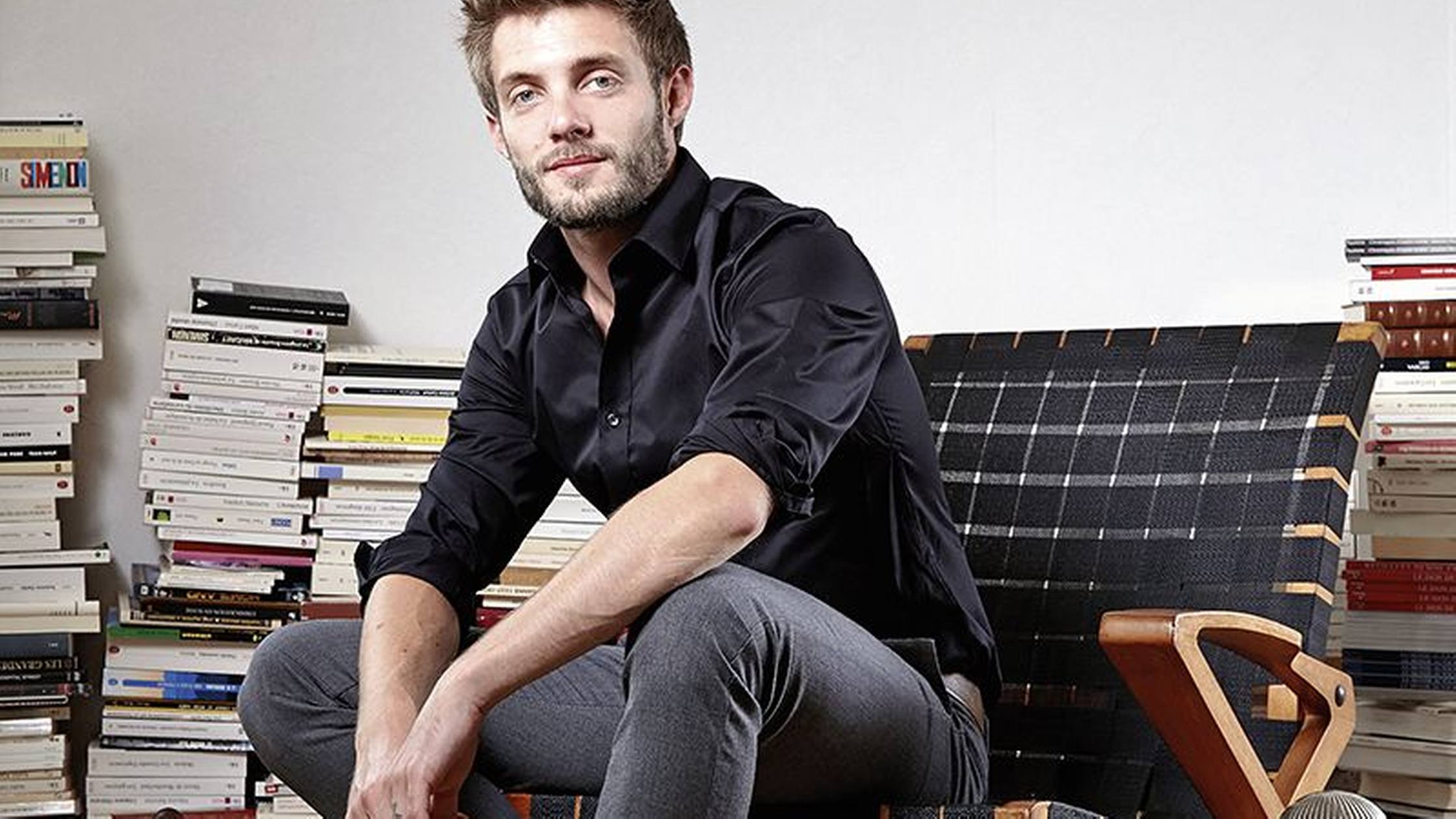
Photo credit: © Migros Magazine

You'll also like




 French
  German
  English
Leave a comment