



«La Fanatique»: a journey to the heart of hatred
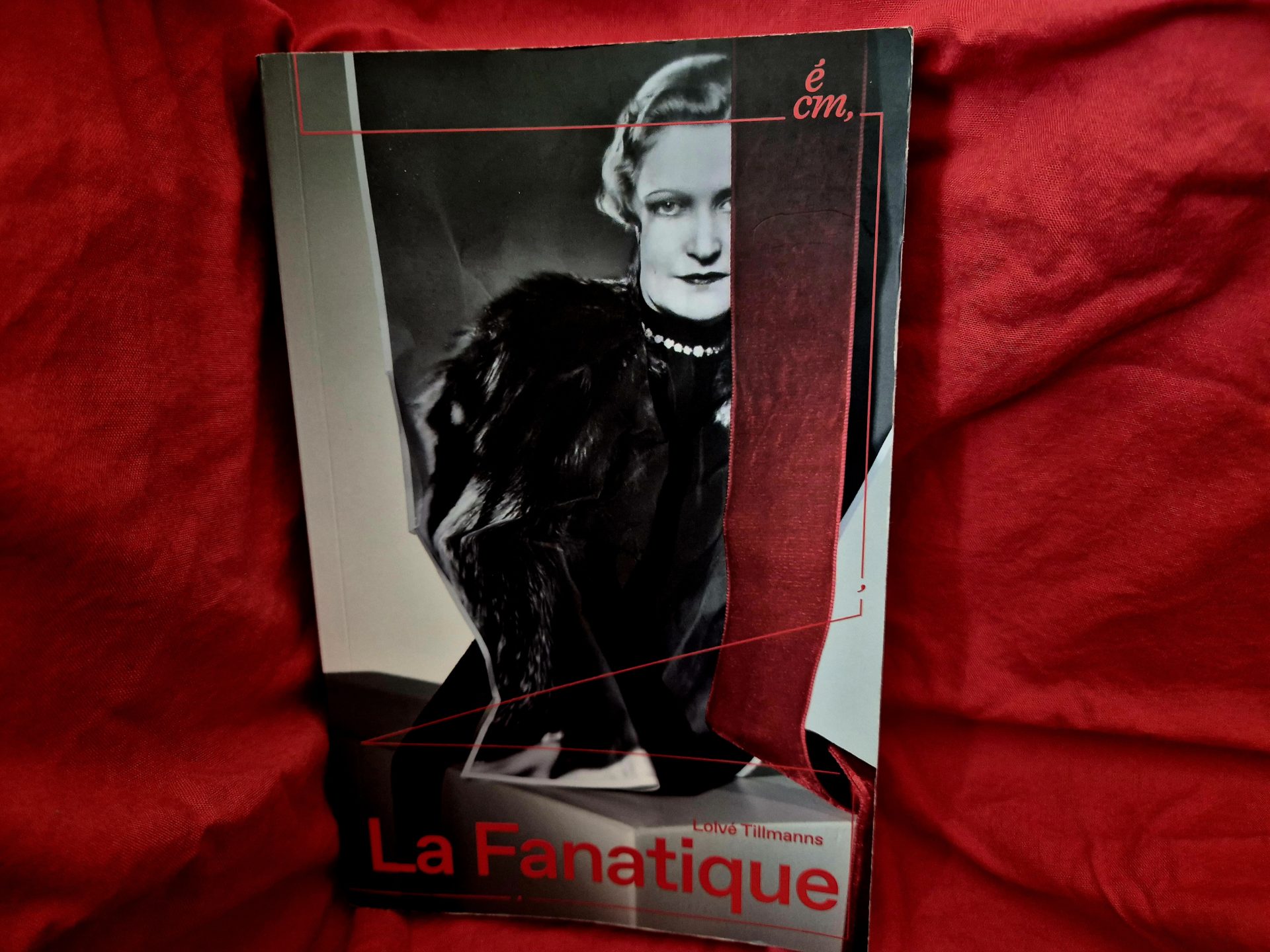
Photo: Sandrine Rovere for Le Regard Libre
With this hard-hitting novel, Lovlé Tillmanns brilliantly gets inside the head of the «first lady» of the Third Reich.th Reich. Fascinating and disturbing.
We left it at the reception of a gym in 2020 with Fit. Lovlé Tillmanns makes her mark this fall with her sixth novel, The Fanatic. In this hard-hitting book, published by Editions Cousu Mouche, the author from Vaud takes an eighty-year leap into the past, giving voice to one of the most extreme and complex personalities of the SS nomenklatura: Magdalena Goebbels, wife of the great propagandist of the Third Reich.th Reich, and close to Adolf Hitler.
Lovlé Tillmanns paints a portrait of this woman, from her birth to her fall, thanks to long and meticulous research. But the author refuses the distance of historians. She writes her novel in the first person. And so, from inside the regime itself, she examines the phenomenon of recruitment and blindness that marked this era. Magdalena Goebbels - nicknamed only M in the book - is not soft on her contemporaries. Nazi dignitaries are given inglorious nicknames: the bespectacled midget, the fat morphine addict... But she venerates the Chief - H - with absolute jealousy. She angrily brushes aside any criticism of him. Even when the war is lost, M never accepts Hitler's responsibility for the debacle.
The question arises on almost every page. How could this well-educated, multilingual middle-class woman, raised by a Jewish father-in-law and in love with a Zionist militant in her youth, be so seduced by Nazi ideology? What were the reasons behind her stubborn decision to follow Adolf Hitler to his death, taking her six young children with her? For M, the reasons were not just political. She's a firm believer in the superiority of the German race. But boredom, the search for meaning and an insatiable thirst for power also explain her plunge into a violent, murderous regime.
The daily life of Reich dignitaries
For this novel is also a story about the banality of evil. For the men who decide to invade Poland or implement the Final Solution, life goes on. They blow Goebbels children on their knees, drink champagne, go to the theater and celebrate Christmas. M herself has no qualms, no conscience. She's sorry she can't find leather for new shoes. But she's not concerned about the fate of the Jews or her German compatriots killed in the Allied bombing raids. She is indifferent to life outside the privileged circle of the regime.
At best, she revolts against the straitjacket imposed on her by an ideology that confines women to the role of wife and mother. Constantly pregnant, M became the embodiment of the German Woman. Her family was taken as an example and featured in the newspapers. Behind the scenes, however, Magdalena was enraged to see her influence diminish with each new pregnancy. A full partner to her husband at the start of their marriage, she was gradually relegated to a mere domestic role. She also lost her place with Hitler, even though she had been a privileged interlocutor before the war. Only by following him into his Berlin bunker can she prove her absolute devotion to him.
These last pages are chilling. Time and again, M could have left Germany, saved her children. But she refuses. Not even the pleas of her eldest daughter can break her stubbornness. Her faith in Hitler is stronger than her maternal love or her instinct for survival.
Read also | Eurotrash, between family novel and cathartic work
What Lolvé Tillmanns also shows in this book is that fanaticism is not peculiar to the authoritarian regimes of the 20th century.th century. Between each chapter, Lovlé Tillmanns inserts a quotation from works such as Al Qaeda's recruitment manual, The Inquisitor's Way of the Fourteenth Century, and The Inquisitor's Way of the Twentieth Century.th century, Mao Zedong's Little Red Book or the Ten Commandments of the Hutus in 1990. These extracts show beyond any doubt that indoctrination and blindness have no limits in time or space. And that it is often a path of no return. As one follower of an apocalyptic cult group puts it in a passage quoted as an exergue in this novel: «I've had to make a long journey, I've given up just about everything (...) I can't allow myself to doubt: I have to believe, there is no other truth.»
Write to the author: sandrine.rovere@leregardlibre.com
You have just read an open-access review published in our print edition (Le Regard Libre N°110). Debates, analyses, cultural news: subscribe to support us and get access to all our content!
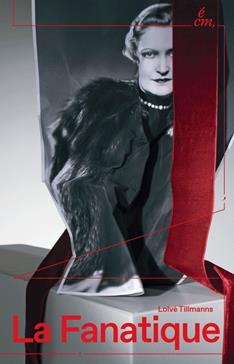
Lolvé Tillmann
The Fanatic
Editions Cousu Mouche
August 2024
340 pages
You'll also like




 French
  German
  English
Leave a comment