



«Eurotrash», between family novel and cathartic work
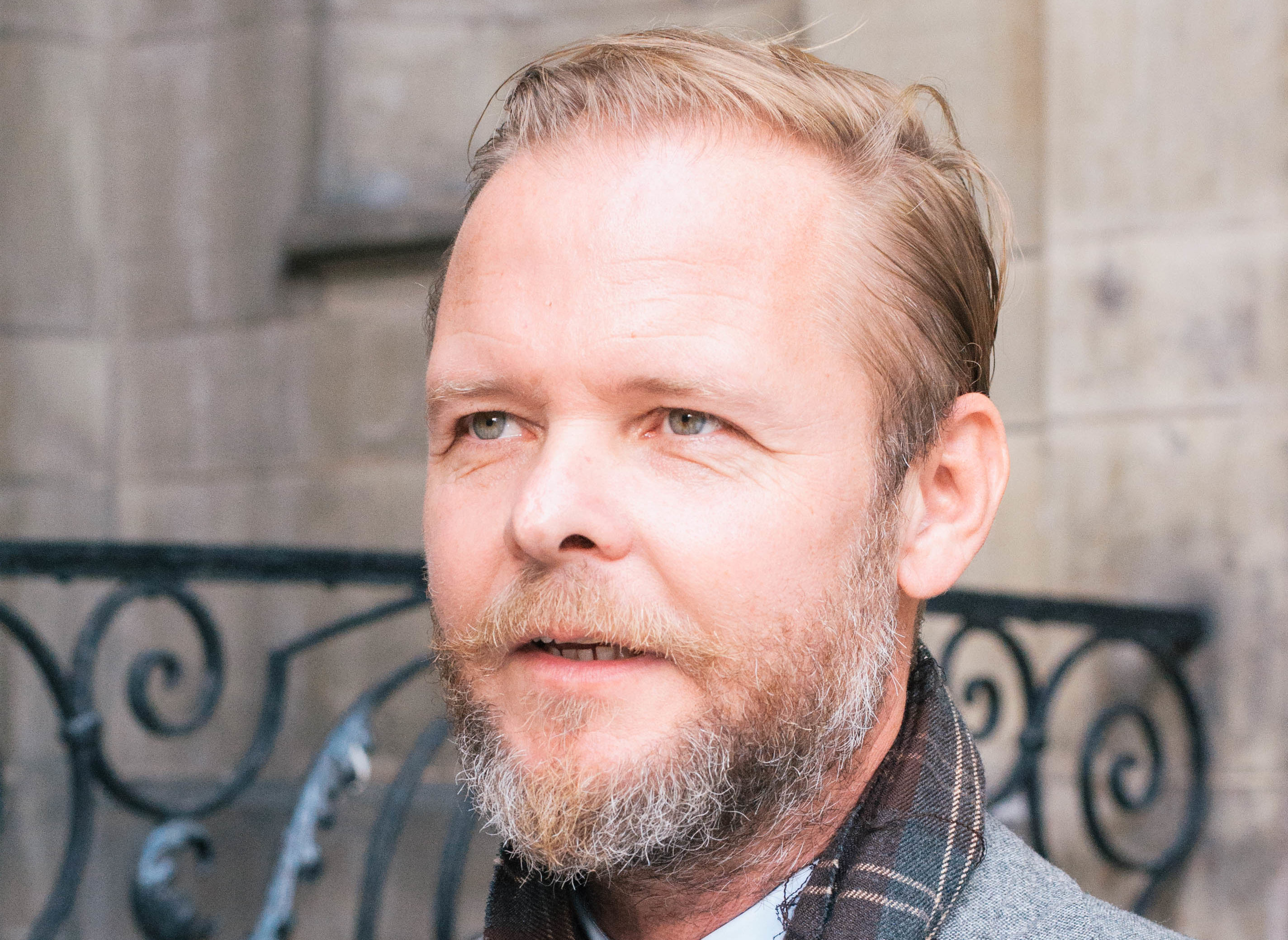
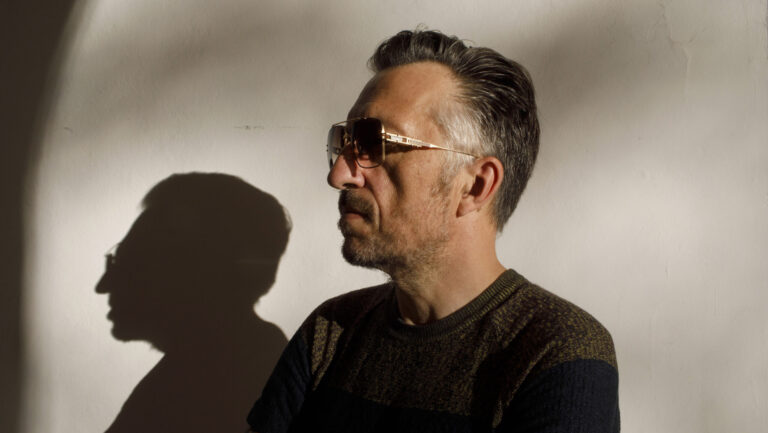
Christian Kracht in 2015 © Wikimedia CC
Recently translated from the German, Bernese author Christian Kracht's 2021 novel returns to the seemingly clean Swiss soil of his childhood. An exploration of filial ties and the meaning of ancestry, set against a backdrop of money and Nazism.
Eurotrash is one of those novels that can be classified as autofiction, in which author and narrator merge. Here, we can't distinguish truth from falsehood, but in the end, it doesn't matter, because the journey Christian Kracht takes us on is so delectable. The text opens with Christian Kracht in a daze: he has to find his demented mother in the affluent suburbs of Zurich and get her to tell him the truth, perhaps because he can feel death approaching her cold hands. And so begins a long journey down memory lane, starting with a village in the Bernese Oberland.
An exploration of family history
In this very Swiss context, sometimes bordering on caricature, mother and son try to exorcise the past, populated by money and overshadowed by the memory of an SS grandfather. A mixture that provoked shame and guilt, for while the bank account was always positive, we discover that Kracht's father was a «parvenu» who never knew how to appropriate the manners of the individuals he wanted to resemble, while the grandfather's Nazi antecedents locked his descendants in a form of inextricable illegitimacy.
«He may have learned that when lunching at Simpson's in the Strand, you had to slip a few coins into the pocket of the white apron of the slicer pushing the silver roast beef cart to the table, but my father's bespoke English suits still retained the smell of working-class Germany and, worse still, the manners of the parvenu.»
The author explores family uprooting and rooting. How can you be satisfied with a family whose values you don't share? The filial bond between Kracht and his mother becomes obvious, however, when Kracht discovers on the road that his mother is wearing an ostomy pouch, and that he has to change it regularly wherever they go. A wall breaks down; he has to take a step towards his mother, whom he seems to have loathed all his life. It's an interesting kind of role reversal, where the son must care for his diminished mother as if she were a child, in a physical bond that mimics the gestures of a parent towards a child.
A criticism barely masked by irony
In this rebuilding bond, Kracht tells stories to his mother when a little distraction is needed. These incursions into the novel allow the author to go beyond the narrative, to bypass the truth of the novel and explore alternative realities that are not devoid of meaning. The artist does not hesitate to use satire, notably to criticize a Switzerland that is too clean and sometimes in need of a taste of self-mockery.
«Les Suisses mangeaient tous leur « soleil vert », accomplissaient leur travail, allaient se coucher et se réveillaient le matin suivant, et il ne se passait rien.»
Money plays an important role throughout the novel. The power of the man who has it is not limitless, as Kracht demonstrates. It can't buy culture, for example, even if it can buy expensive paintings. Throughout Kracht and his mother's road trip, banknotes are carried around in a plastic bag, like worthless garbage. The author couldn't be more explicit.
Without falling into self-pity, but with a narrative that sometimes plays with cliché, Eurotrash invokes memory to win reconciliation with what was. The whole thing is sprinkled with a welcome lightness, making it a book you reach the end of without ever being bored.
Write to the author: [email protected]
You have just read an open-access book review from our print edition (Le Regard Libre N°104). Debates, analyses, cultural news: subscribe to support us and get access to all our content!

Christian Kracht
Eurotrash
Translated from the German by Corinna Gepner
Editions Denoël
January 2024
192 pages
You'll also like



 French
  German
  English
Leave a comment