



The ghosts of James Robert Baker strut about with a noose around their necks
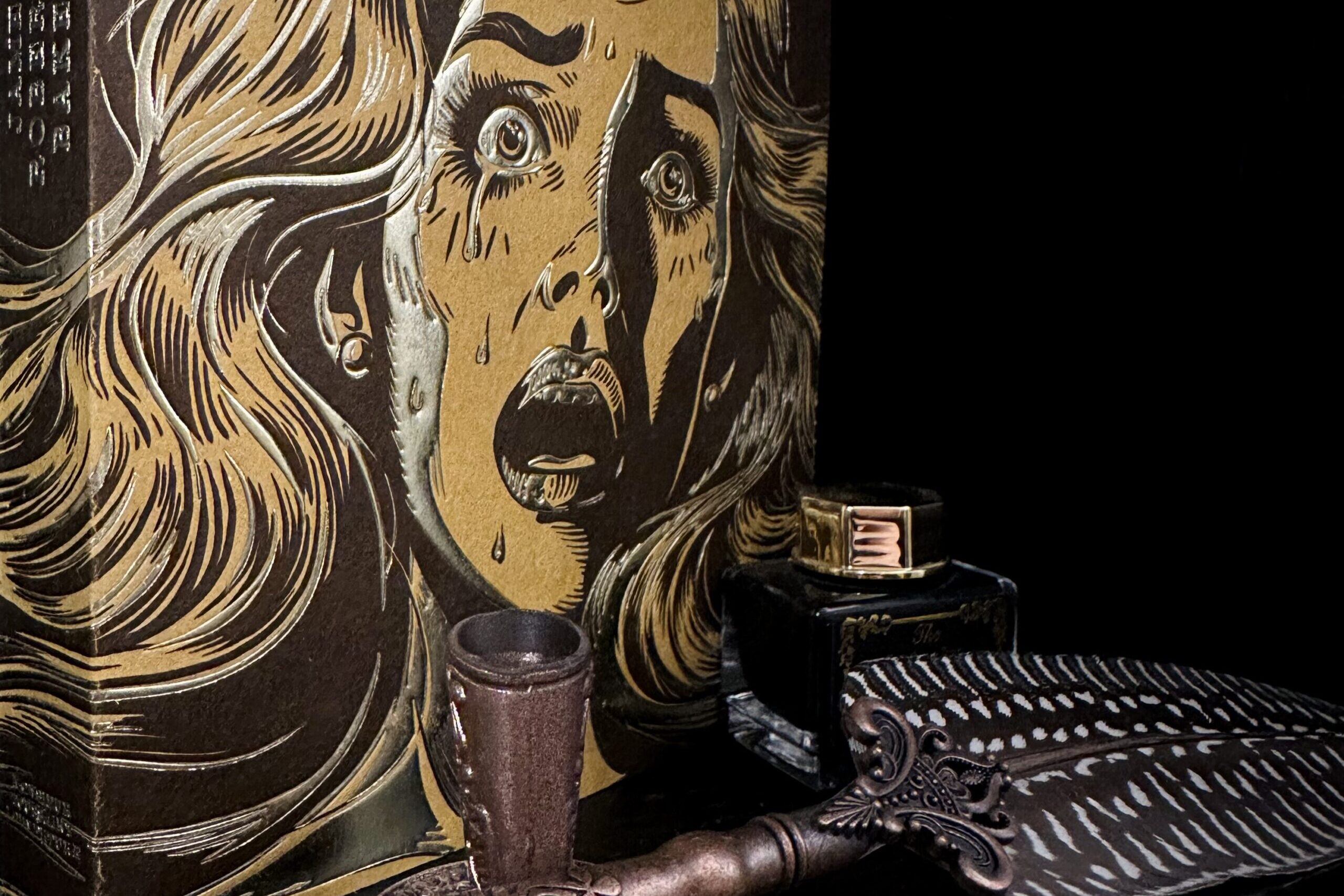
James Robert Baker captures something very specific about America—where Hollywood dreams have turned into a moral quagmire. Photo: Quentin Perrissinotto for Le Regard Libre
The long-awaited novel by a controversial figure in American literature is finally being published. An acid-fueled odyssey through Hollywood, blending dark satire with paranoid delirium.
White Devils is the final confession of a psychotic writer. But it is also that of the book’s author, James Robert Baker (1946–1997), a provocateur who became a literary outcast. Rejected everywhere in the United States, his manuscript was stored away in boxes for some thirty years after his suicide—until Editions Monsieur Toussaint Louverture decided to unearth it in early 2026. White Devils So it's being published for the first time anywhere in the world—and in French, no less!
A fiery novel, a pure product of American counterculture, a book brimming with satirical violence, an epic tale of romantic sociopaths, White Devils is as much a cry of relief as it is a cry of distress from a novelist at the mercy of his own rage.
A fictional portrayal of a disturbed mind
The story, while not autobiographical, follows the same trajectory and dynamics as James Robert Baker’s career: a fierce anger toward conservatives, a fascination with self-destruction, and a fear of social decline, fueled by a sense of abandonment that borders on persecution.
The author of the novel is Tom Dunbard. He achieved great success with a true crime, and all the comforts that come with it: a nice car, a beautiful beachfront villa in Los Angeles, and expensive jewelry to give as gifts. But the failure of his second book slowly pushes him toward ruin and erodes his privileges, threatening to bring his life crashing down.
So, in a final, desperate act of desperation, he turns his paranoia into a criminal scheme: to fabricate a murder that will cause a huge stir—and make him famous once again. To maintain his lifestyle, one must sometimes bring about death. As if the only way to remain at the center of the story were, once again, to provoke a catastrophe.
A Long Confession on LSD
But that’s not all, because the Machiavellian scheme gives way to a novelistic one. Tom documented and recorded every detail of his morbid obsession on cassette tapes. And this book, which the reader now holds in their hands, is the transcript of those recordings.
This harrowing, amphetamine-fueled descent into hell by a Hollywood couple is a game of shattered mirrors. You step into this novel the same way you walk into a nightclub bathroom after one too many shots: shadows sway, dialogue jumps out at you, and reflections that seem strangely distant shatter on the sink’s glass.
Somewhere between a scathing satire of the California dream, ultra-cynical black humor, and a hallucinatory confession recorded on audio cassettes, the novel unfolds like a Coen brothers movie on a coke high. Everything in it is excessive: the arguments, the violence, the neuroses, the marital hatred, the failed ambition.
Behind this almost grotesque excess, James Robert Baker captures something very specific about an America where Hollywood dreams have turned into a moral quagmire. He captures the vertigo that precedes loss, the specter of former privileges now in tatters. The disaster is fatal, for it hastens the downfall he sought to avoid.
Tired of Life
What is clear in James Robert Baker’s work is that the characters are no longer really seeking to be saved: they simply want to delay the moment when the world will finally stop paying attention to them.
Behind its facade as a ramshackle thriller and black comedy, the novel reveals itself as the testament of a writer who refuses to fade into obscurity. Each scene is pushed to its breaking point, transforming the shipwreck into a blazing spectacle. Thirty years after being condemned to oblivion, James Robert Baker thus achieves a literary resurrection that is as unsettling as it is impossible to ignore. Rarely has such a transgressive book given the impression of containing so much life at the very moment when everything is falling apart.
Every month, Quentin Perissinotto seeks to pass a literary work through a kaleidoscope in order to gather the images it projects and to recreate their diffractions—even if that means the flashes of genius turn out to be shards of glass.
Write to the author: quentin.perissinotto@leregardlibre.com
You have just read an open-access article published in our print edition (Le Regard Libre No. 128). Debates, analyses, cultural news: subscribe to support us and access all our content.
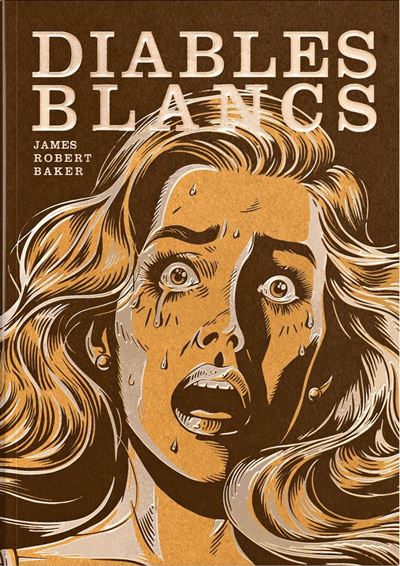
James Robert Baker
White Devils
Translated from English by Yoko Lacour
Mr. Toussaint Louverture
February 2026
288 pages

You'll also like





 French
  German
  English
Leave a comment