





«Ne me quitte pas»: poetic analysis
The richness of French song (5/6)
Le Regard Libre N° 17 - Jonas Follonier
The past month, May, is the symbol of spring. And spring is the symbol of love. That's why we had to dedicate this column once again to a love song. How difficult it is to choose from a repertoire as grandiose as that of French chanson. Nevertheless, one song stands out: Don't leave me.
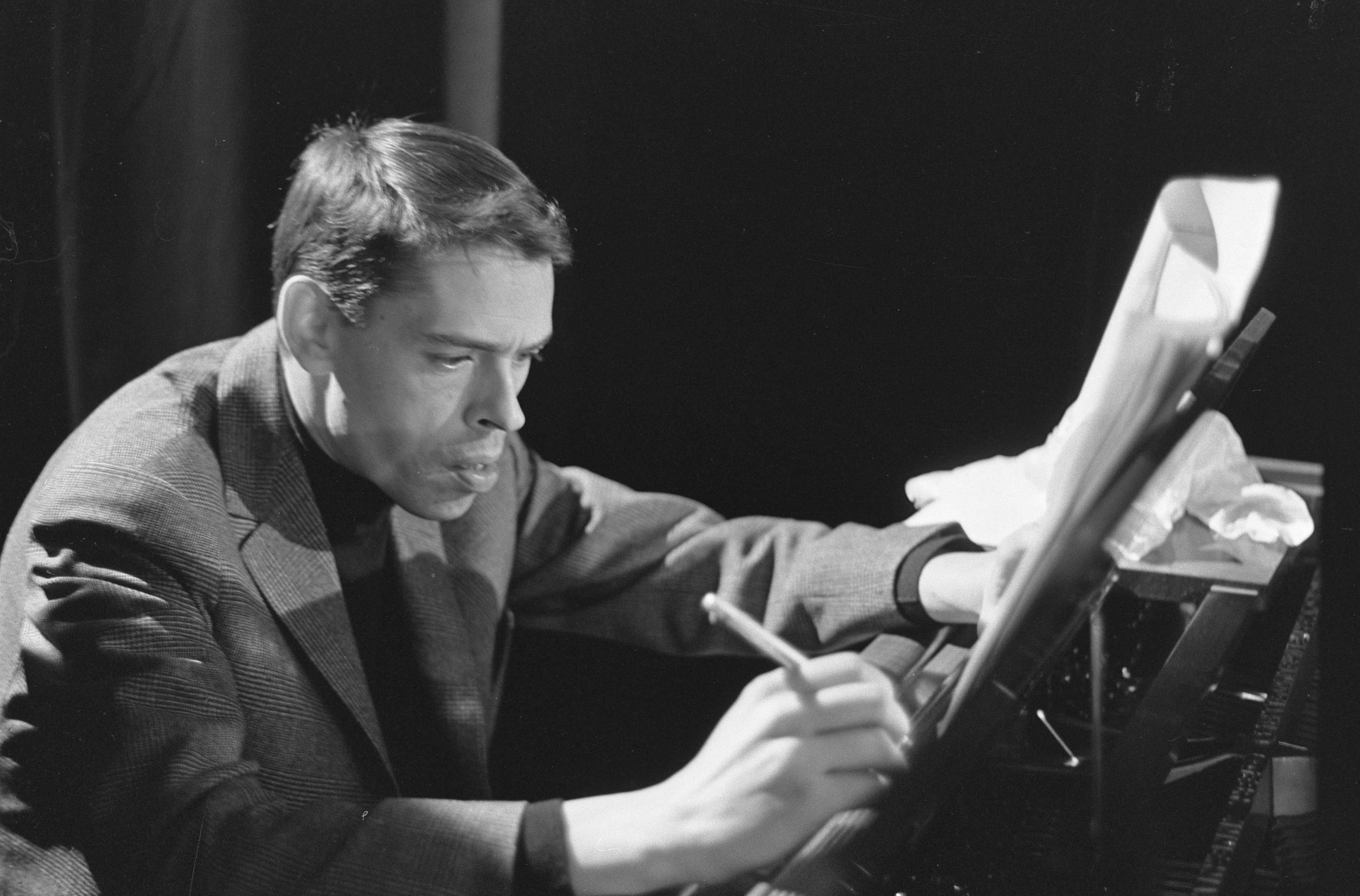
Jacques Brel may have been a singer, but he was above all a poet. The proof is in his 1972 song evoking the imminent break-up of a love affair. Composed of pentasyllables, this poem seems to fall somewhere between a lament and elegiac poetry. In any case, the verbs in the first stanza - «to leave», «to run away», «to forget», «to lose», «to kill» - all evoke the break-up of love in their own way.
But the second verse brings a second dimension to the song: hope. The weight and reality of the present are replaced by a future of possibility and deliverance. All this is crowned with stylistic effects that make this stanza the most beautiful in the poem: the rain of sadness turns into a rain of jubilation, thanks to an alliteration in p («Some perles de pluie / Coming from pays / Where it pleut pas») and the mud of despair is transformed into the gold of hope thanks to words containing this metal in their very spelling: «I'll dig the earth / Till after my mort / To cover your corps / D’or and light.»
Read also | Baroque escapade at Laze Ball by Michel Polnareff
Brel can't leave it at that. While there is much more to be said about the poem's expression of break-up and hope, for reasons of space we must turn to the song's third layer. It's about the sublime character of love, even if it's not mutual, or perhaps even because’It's not mutual. Indeed, despite all the «Ne me quitte pas» imprecations repeated in the refrain, failure is undoubtedly the outcome of the poet's complaint; despite his burning hope («the fire of the ancient volcano we thought was too old».», «scorched earth», «so that a sky may blaze»), the ice of refusal has the last word. And yet...
And yet, it is here that love reveals its most sacred quality. At the end of the song, the poet appears as a lover persevering despite the indifference of his sweetheart... as a wandering man who becomes «the shadow of its shadow» to get a better look.
Write to the author: [email protected]
Photo credit: Wikimedia Commons / Joop van Bilsen / Anefo
-
 Youth passCHF25.00 / year
 -
Digital subscriptionCHF50.00 / year
-
Standard subscription (Switzerland)CHF100.00 / year

You'll also like


 French
  German
  English
Leave a comment